Identifying What is Eating Your Potato Bush 🥔
Phyllanthus reticulatus
By the Greg Editorial Team
Oct 16, 2024•7 min read
This article was created with the help of AI so we can cover more plants for you. May contain errors. See one? Report it here.
- 🌱 Potato bushes attract herbivores like deer, rabbits, and squirrels; know your pests!
- 🚫 Prevent damage with fencing, netting, and reflective objects to protect your plants.
- 🐝 Encourage beneficial wildlife like bees for pollination while managing harmful herbivores.
Description and Appeal
Appearance 🌸
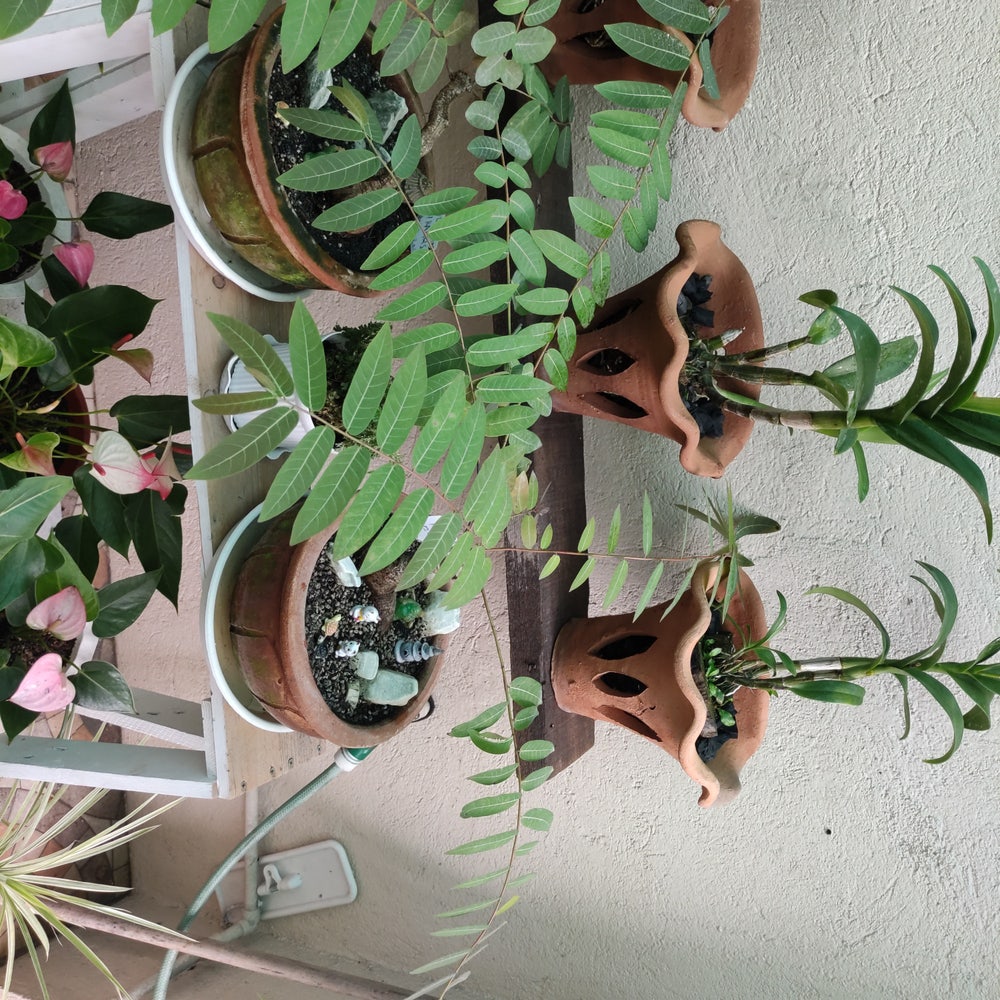
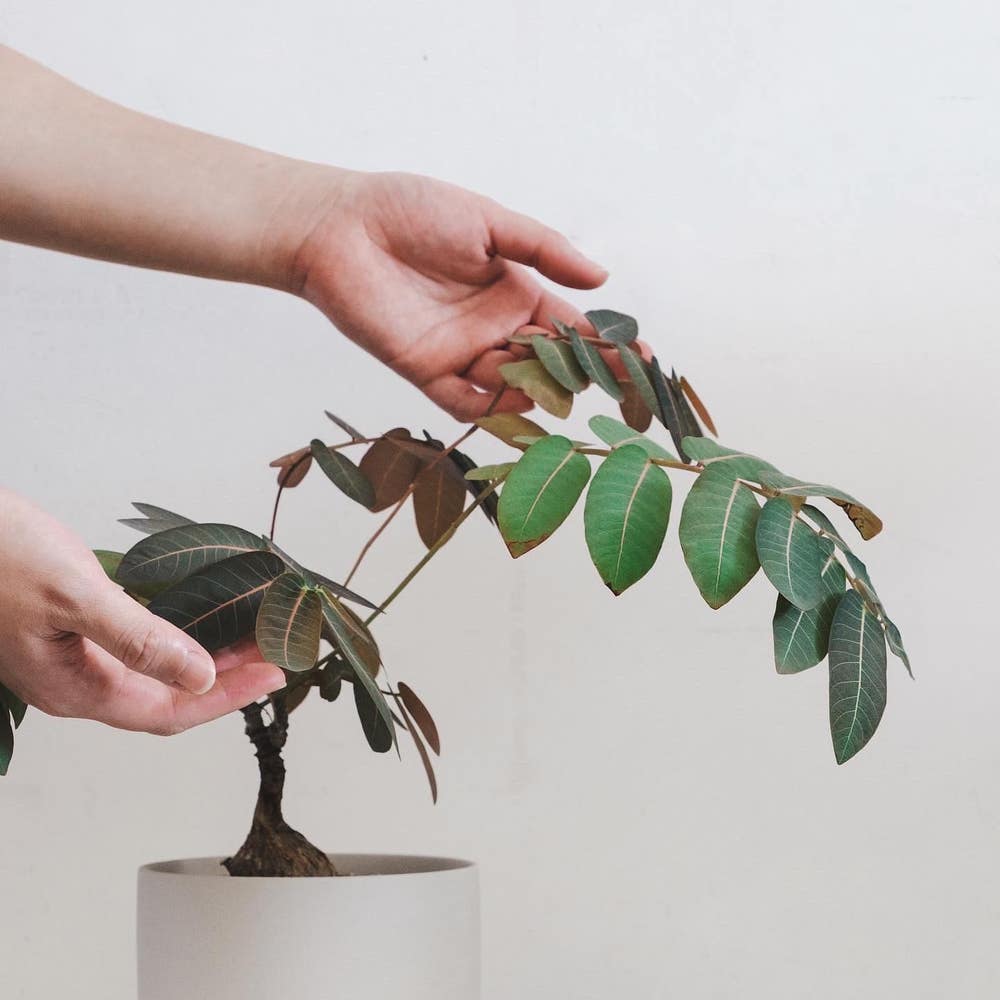
The potato bush is a perennial shrub that typically grows between 1 to 2 meters tall. Its dark green, lanceolate leaves create a lush backdrop for its stunning purple flowers, which bloom in attractive clusters.
The fruits of the potato bush are particularly eye-catching. When ripe, they transform into bright orange to red berries that are not only visually appealing but also edible.
Most Appealing Parts to Animals 🐾
Herbivores are drawn to the potato bush for several reasons. The fruits are high in nutritional value and have a sweet flavor, making them irresistible to various animals.
Additionally, the nectar-rich flowers attract pollinators and some herbivores. Young shoots are also a target; their tenderness and nutrition make them a favorite among many garden visitors.
Understanding these appealing features can help gardeners protect their potato bushes from unwanted herbivore attention.
Common Herbivores
🦌 Deer
Signs of Presence
Look for distinctive hoof prints in soft soil around your potato bush. You might also notice dark, pellet-like droppings nearby.
Type of Damage Caused
Deer tend to browse on leaves and young shoots, sometimes stripping entire branches. This can severely hinder the growth of your plants.
Interaction
Deer are generally harmful to potato bushes. Their feeding habits can decimate young plants, leaving them vulnerable.
Deterrent Methods
To keep deer at bay, consider erecting 8-foot tall fencing. Alternatively, use commercial deer repellents or homemade solutions like garlic spray.
🐇 Rabbits
Signs of Presence
Rabbits leave behind chewed stems and leaves. Look for small, round pellets scattered around your plants.
Type of Damage Caused
These critters gnaw on stems and foliage, which can lead to stunted growth. Their appetite can be quite destructive.
Interaction
Rabbits are generally harmful to young plants. Their feeding can significantly damage your potato bush.
Deterrent Methods
Netting is an easy way to cover your plants and prevent rabbit access. Additionally, reducing hiding spots around your garden can help.
🐿️ Squirrels
Signs of Presence
Squirrels often leave chewed fruits and visible nests in nearby trees. You may also see scratching or digging marks around the base of your bush.
Type of Damage Caused
They primarily eat ripe fruits and can damage branches in the process. This can lead to a reduced fruit yield.
Interaction
Squirrels are generally harmful to your potato bush. Their feeding habits can significantly impact your harvest.
Deterrent Methods
Consider using scare tactics like reflective objects or noise-makers to deter squirrels. Live traps can also be effective for relocation.
🐦 Birds
Signs of Presence
Look for pecked fruits and nests in nearby trees. Feathered droppings around the base of the bush can also indicate their presence.
Type of Damage Caused
Birds feed on ripe fruits, which can lead to a reduced harvest. Their feeding can be a double-edged sword.
Interaction
Birds can be both beneficial and harmful. While they help pollinate, their feeding can negatively affect your fruit yield.
Deterrent Methods
Netting can protect your fruits from birds. Hanging shiny materials can also deter them effectively.
🐭 Rodents (Mice, Voles)
Signs of Presence
Rodents leave tunnels or burrows near the base of the bush. Look for small, dark pellets scattered around.
Type of Damage Caused
They gnaw on roots and stems, leading to significant plant stress. Their presence can be quite damaging.
Interaction
Rodents are generally harmful to your potato bush. Their feeding habits can cause serious issues for your plants.
Deterrent Methods
Using traps, either snap or live, can help manage rodent populations. Habitat management, like clearing debris, can also reduce hiding spots.
🦡 Groundhogs/Woodchucks
Signs of Presence
Groundhogs leave burrows near the base of the bush and often chew on plants. Look for visible tracks as well.
Type of Damage Caused
These animals can cause extensive gnawing on stems and foliage. Their feeding can devastate young plants.
Interaction
Groundhogs are generally harmful. Their feeding habits can lead to significant damage to your potato bush.
Deterrent Methods
Consider burying fencing 12 inches underground to prevent burrowing. Commercial repellents or homemade solutions, like cayenne pepper, can also be effective.
Understanding these common herbivores and their impact on your potato bush is crucial. With the right deterrent methods, you can protect your plants and ensure a healthy harvest.
Beneficial Animals
Positive Impacts 🐝
When it comes to your potato bush, not all animals are foes. Pollinators like bees and butterflies are drawn to the vibrant flowers, playing a crucial role in fertilization.
Natural predators, such as birds, help keep harmful insect populations in check. Their presence can significantly reduce the need for chemical pest control.
Ecological Role 🌍
The benefits of these creatures extend beyond mere aesthetics. Enhanced pollination leads to a better fruit set, ensuring a bountiful harvest.
Additionally, the natural pest control provided by birds and other beneficial animals fosters a healthier garden ecosystem. This balance allows for sustainable gardening practices that can thrive without heavy reliance on chemicals.
As you cultivate your potato bush, remember that fostering a welcoming environment for these beneficial animals can lead to a flourishing garden.
Next, let’s explore effective protection strategies to safeguard your plants from potential threats.
Protection Strategies
🛡️ Preventive Measures
Using companion plants can be a game-changer in deterring herbivores. These plants can create a natural barrier, making your potato bush less appealing to hungry critters.
Regular monitoring is equally crucial. Keep an eye out for signs of animal presence, like chewed leaves or droppings, so you can act quickly before damage escalates.
⚠️ Reactive Solutions
If you notice damage, act fast by removing affected parts. This promotes recovery and helps your potato bush bounce back stronger.
Implementing traps or repellents can also be effective. Whether you choose commercial options or homemade solutions, having a plan in place is essential for protecting your plants.
🌱 Balancing Ecosystem Health
Encouraging beneficial animals while managing harmful ones is key to a thriving garden. Pollinators and natural predators can enhance your ecosystem, but it’s important to keep an eye on those that cause harm.
Using organic pest control methods helps maintain this balance. By fostering a healthy environment, you can enjoy the beauty of your potato bush while minimizing damage from unwanted visitors.
With these strategies in place, you can create a harmonious garden that supports both your plants and the wildlife around them.
Seasonal Considerations
Variations in Attraction 🐦
As spring arrives, your potato bush comes to life, attracting herbivores eager for fresh foliage. This increased activity can lead to significant damage if not monitored closely.
In summer, the situation intensifies. The bush bears ripe fruits, drawing in birds and mammals that are keen on a sweet snack.
Timing of Vulnerability ⏰
Young shoots are particularly vulnerable in early spring. This is when they are tender and nutritious, making them prime targets for hungry herbivores.
By late summer to early fall, the ripe fruits face their own risks. Many animals will feast on these delicious berries, potentially reducing your harvest.
Understanding these seasonal patterns can help you protect your potato bush effectively. Keeping an eye on these changes ensures you can act quickly to safeguard your plants.
Toxicity and Safety
☠️ Toxic Effects
Potato bushes contain solanine, a toxic compound that can be harmful if ingested in large quantities. Animals that consume too much may experience symptoms like vomiting, lethargy, and gastrointestinal distress.
🦺 Managing Interactions
Understanding the toxicity of potato bushes is crucial for managing interactions with wildlife. Educating gardeners about safe practices can help mitigate risks while still enjoying the beauty of these plants.
By being aware of these factors, you can create a safer environment for both your garden and the animals that visit it. This knowledge empowers you to protect your plants while fostering a healthy ecosystem.
⚠️ Safety First
This content is for general information and may contain errors, omissions, or outdated details. It is not medical, veterinary advice, or an endorsement of therapeutic claims.
Always consult a qualified healthcare professional before using any plant as food, medicine, or supplement.
Never eat any plant (or feed one to pets) without confirming its identity with at least two trusted sources.
If you suspect poisoning, call Poison Control (800) 222-1222, the Pet Poison Helpline (800) 213-6680, or your local emergency service immediately.
Spotted an error? Please report it here.
Protect your potato bush from pesky herbivores and cultivate a thriving garden 🌿 with Greg's tailored care tips and timely reminders to keep your plants flourishing!