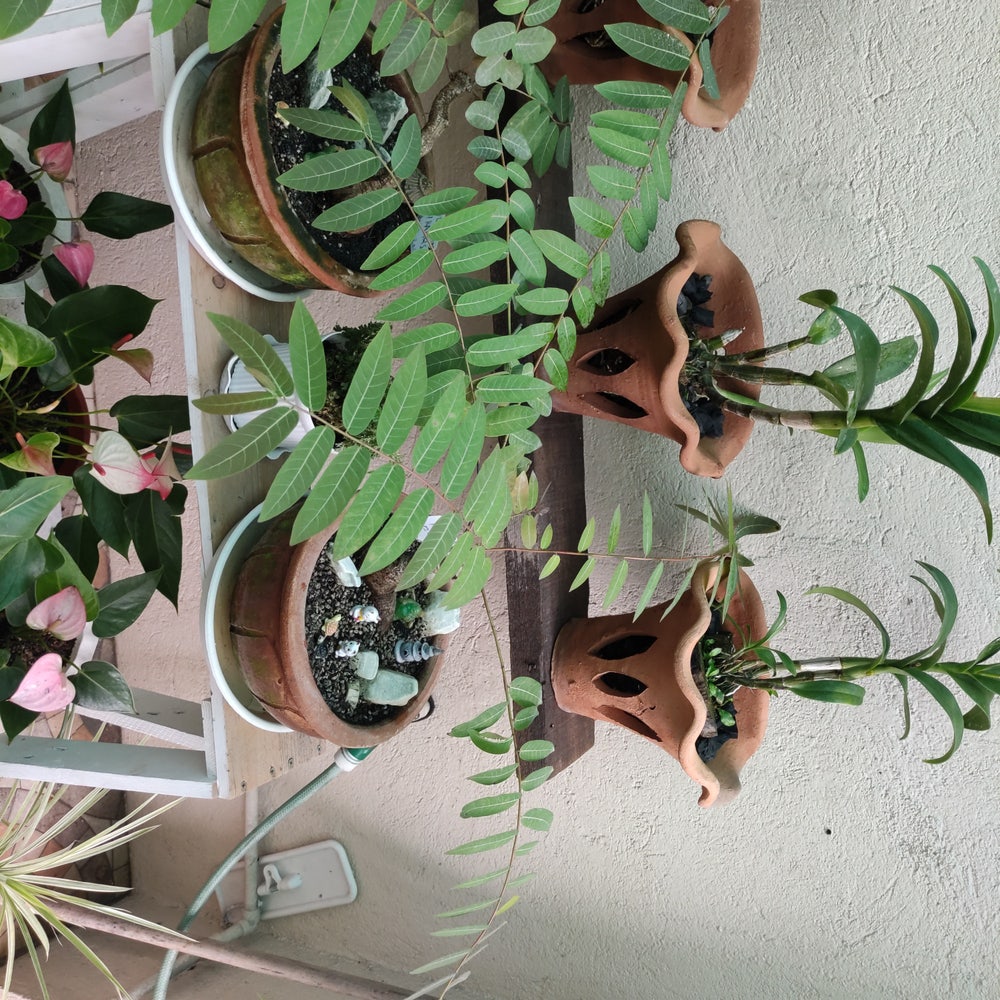
4 Tips for Healing Black Spots on Your Potato Bush 🥔
Phyllanthus reticulatus
By the Greg Editorial Team
Oct 16, 2024•4 min read
This article was created with the help of AI so we can cover more plants for you. May contain errors. See one? Report it here.
- 🦠 Identify infections: Fungal spots are circular; bacterial spots are irregular and water-soaked.
- 🌱 Maintain consistent moisture and avoid temperature extremes for healthier potato bushes.
- 🧪 Laboratory testing can confirm infection types if you're uncertain about treatment.
Diagnosing Black Spots
🔍 Differentiating Infections
Identifying the type of infection is crucial for effective treatment. Look for visual cues such as spot morphology and leaf damage patterns; fungal infections often present as circular spots, while bacterial infections may cause irregular, water-soaked areas.
If you're unsure, consider laboratory testing. A professional diagnosis can provide clarity and guide your next steps in treatment.
🌧️ Identifying Environmental Stress Factors
Environmental stress can significantly impact your potato bush's health. Start by checking soil moisture levels; consistent watering is vital to prevent stress and promote growth.
Temperature extremes also play a role. Both heat and cold can weaken your plants, making them more susceptible to diseases. Additionally, ensure your potato bush receives adequate sunlight, as light exposure is essential for preventing various diseases.
🥦 Assessing Nutrient Deficiencies
Nutrient deficiencies can lead to black spots and other issues. Key nutrients like nitrogen, phosphorus, and potassium are essential for robust plant health.
Watch for symptoms of deficiencies, such as yellowing leaves and poor growth. Soil testing is an effective way to evaluate nutrient levels and determine if your plants need a boost.
Treating Black Spots
Step-by-step treatment options 🌱
Treating black spots on your potato bush requires a systematic approach. Start by identifying the type of infection—whether it's fungal or bacterial—as this will dictate your treatment strategy.
Once you've determined the infection type, the next step is to remove affected leaves. Use clean, sharp pruning shears to avoid spreading the infection further.
After pruning, it's time to apply treatments. Timing is crucial; follow the manufacturer's instructions for fungicides or organic solutions to ensure effectiveness.
Recommended treatments 🧪
For chemical options, look for specific fungicides that target potato diseases. Products containing chlorothalonil or mancozeb are often effective against common fungal infections.
If you prefer organic treatments, consider neem oil or baking soda solutions. Both can be applied as foliar sprays, but ensure you follow the recommended dilution rates for best results.
Importance of proper pruning ✂️
Effective pruning is essential for maintaining plant health. Use sharp, sanitized tools to make clean cuts, which helps the plant heal faster.
Timing your pruning is equally important. Aim to prune during cooler parts of the day to minimize stress on the plant and reduce the risk of further infection.
By following these steps, you can effectively treat black spots and promote a healthier potato bush. Next, let’s explore how to prevent these issues from arising in the first place.
Preventing Black Spots
🌱 Best Practices for Soil Health
Healthy soil is the foundation of a thriving potato bush. Focus on creating well-draining, nutrient-rich soil to promote robust growth and minimize disease risks.
Organic amendments like compost and mulch can significantly enhance soil quality. They improve moisture retention and provide essential nutrients, setting your plants up for success.
💧 Watering Techniques to Avoid Leaf Stress
Consistent moisture is crucial for preventing black spots. Aim to water your potato bush deeply but infrequently, allowing the soil to dry slightly between waterings.
Avoid overhead watering whenever possible. This method can lead to wet leaves, creating a perfect environment for diseases to thrive.
🔄 Crop Rotation and Its Benefits
Rotating crops is a smart strategy to reduce disease buildup in the soil. By changing the location of your potato bushes each season, you disrupt the life cycles of potential pathogens.
Consider planting rotation partners like legumes or brassicas. These plants can improve soil health and provide nutrients that benefit your potato bushes.
By implementing these preventive measures, you can create a healthier environment for your potato bushes, reducing the likelihood of black spots. Next, let’s explore how to monitor and maintain your plants effectively.
Monitoring and Maintenance
Regular Inspection of Leaves 🌿
Regularly checking your potato bush is crucial for early detection of black spots. Aim for weekly inspections during the growing season to catch any issues before they escalate.
Look for signs like discoloration, wilting, or unusual spots. Early intervention can save your plants from more severe damage.
Seasonal Care Adjustments 🌱
Adjust your care routine based on the growth stage of your potato plants. Seedlings require different attention compared to mature plants, especially regarding watering and nutrient needs.
Be aware of seasonal disease risks. Certain times of the year may bring specific challenges, so stay informed about common potato problems.
Record-Keeping for Plant Health 📚
Documentation is key to successful gardening. Keeping track of symptoms and treatments helps you identify patterns and improve your care strategies.
Utilize tools like gardening apps or journals to monitor plant health effectively. This organized approach can lead to healthier plants and a more rewarding gardening experience.
By maintaining a vigilant eye and adjusting your care practices, you can significantly enhance the health of your potato bush. This proactive approach sets the stage for a bountiful harvest and minimizes the risk of black spots.
⚠️ Safety First
This content is for general information and may contain errors, omissions, or outdated details. It is not medical, veterinary advice, or an endorsement of therapeutic claims.
Always consult a qualified healthcare professional before using any plant as food, medicine, or supplement.
Never eat any plant (or feed one to pets) without confirming its identity with at least two trusted sources.
If you suspect poisoning, call Poison Control (800) 222-1222, the Pet Poison Helpline (800) 213-6680, or your local emergency service immediately.
Spotted an error? Please report it here.
Keep your potato bush thriving and spot-free 🌱 with Greg's tailored care reminders and expert tips to tackle infections head-on for a bountiful harvest!