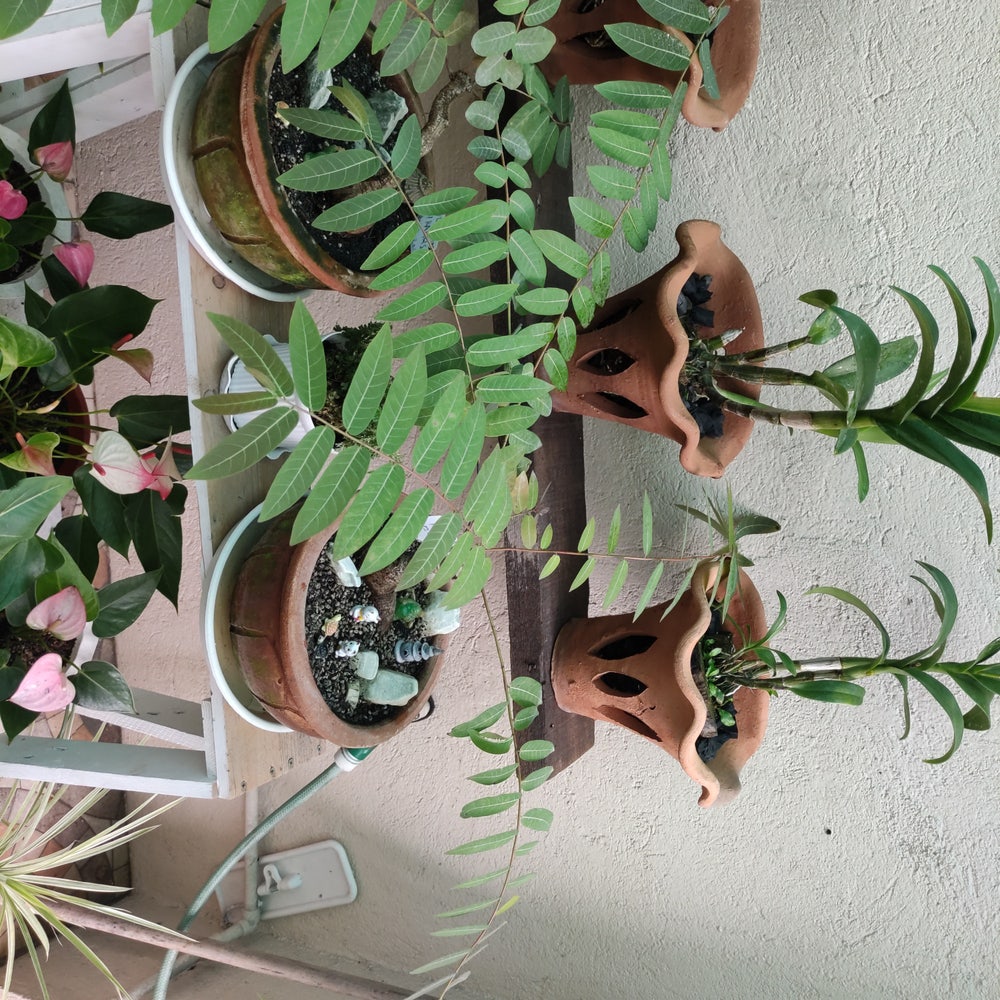
🥔 Expected Size of Your Potato Bush
Phyllanthus reticulatus
By the Greg Editorial Team
Oct 16, 2024•4 min read
This article was created with the help of AI so we can cover more plants for you. May contain errors. See one? Report it here.
- 🌱 Potato bushes grow 2-4 feet tall and spread 2-3 feet wide.
- ☀️💧 Sunlight and moisture are key for maximizing potato bush height and health.
- 🥔 Varieties differ: Dwarf types reach 1-2 feet, while giants can exceed 4 feet.
Mature Height and Spread
Typical Mature Height 🌱
Potato bushes typically reach a mature height of 2 to 4 feet. This height can vary based on several factors, including soil quality, water availability, and sunlight exposure.
Factors Influencing Height 📏
- Soil Quality: Nutrient-rich, well-drained soil promotes robust growth.
- Water Availability: Consistent moisture is crucial for reaching maximum height.
- Sunlight Exposure: Full sun helps the plant thrive and grow taller.
Typical Mature Spread 🌿
The average spread of a mature potato bush ranges from 2 to 3 feet. Proper spacing is essential for optimal growth and air circulation.
Importance of Spacing 📏
Adequate spacing allows each plant to access nutrients and sunlight without competition. This not only enhances growth but also reduces the risk of disease by improving airflow.
Understanding the expected height and spread of your potato bush can significantly impact your gardening success. With the right conditions, these plants can flourish beautifully, setting the stage for a bountiful harvest.
Growth Rate and Time to Maturity
🌱 Growth Rate
The growth rate of potato bushes can be quite variable, ranging from slow to moderate. This variability largely depends on several key factors, including soil type, nutrient availability, and watering practices.
Soil type plays a crucial role; well-drained, nutrient-rich soils can significantly boost growth. Additionally, consistent watering ensures that the plants receive the moisture they need to thrive.
⏳ Time to Maturity
Potato bushes typically reach full size in about 1 to 2 growing seasons. This timeframe can vary based on environmental conditions and care.
Regular monitoring is essential to ensure that your plants are developing optimally. Keeping an eye on their growth can help you make necessary adjustments for better results.
Size Variability Based on Conditions
🌍 Environmental Impact on Size
The size of your potato bush can significantly depend on the soil type. Well-drained, nutrient-rich soils are essential for promoting larger growth, as they provide the necessary elements for robust development.
Water availability also plays a crucial role. Consistent moisture leads to healthier, larger plants, while drought conditions can stunt growth and reduce overall size.
☀️ Sunlight Requirements
Sunlight is another key factor in determining the size of your potato bush. Ideally, these plants thrive in full sun, requiring 6 to 8 hours of direct sunlight daily for maximum growth.
On the flip side, inadequate sunlight can have dire consequences. Insufficient light often results in stunted growth and reduced size, leaving your potato bush less vigorous than it could be.
Understanding these environmental factors is vital for optimizing your potato bush's growth. By ensuring the right soil conditions and adequate sunlight, you can cultivate a thriving plant that reaches its full potential.
Next, let’s explore the various potato bush varieties and their unique characteristics.
Varieties of Potato Bush
🌱 Dwarf Varieties and Their Characteristics
Dwarf potato bushes typically reach a height of 1 to 2 feet. Their compact growth habit makes them perfect for smaller gardens or container planting.
These varieties are not just space-savers; they also produce a decent yield. If you're short on room but still want to enjoy homegrown potatoes, dwarf varieties are a fantastic choice.
🌳 Giant Varieties and Their Characteristics
On the other end of the spectrum, giant potato bushes can exceed 4 feet in height. These robust plants are known for their vigorous growth and can produce a substantial harvest.
However, they do require more space and resources. If you have the room to spare, giant varieties can be a rewarding addition to your garden, offering both beauty and bounty.
Understanding the differences between these varieties helps you choose the right one for your gardening needs. Whether you opt for a dwarf or a giant, each type brings its unique benefits to your potato-growing experience.
Controlling Size
🌿 Pruning Techniques for Size Management
To manage the size of your potato bush, consider pinching back the tips of the branches. This simple technique encourages a bushier growth habit, making your plant more compact and manageable.
Timing is crucial for effective pruning. Aim to do this in early spring, just before new growth begins, to maximize the benefits.
📦 Other Methods to Control Growth
Using containers is another effective strategy. By restricting root space, you can naturally limit the size of your potato bush, making it perfect for smaller gardens or patios.
Additionally, controlling fertilization can help manage growth rates. Adjusting nutrient levels allows you to influence how quickly your plant grows, ensuring it stays within your desired size range.
With these techniques, you can cultivate a potato bush that fits perfectly in your garden space while still thriving. Next, let’s explore the fascinating varieties of potato bush available to gardeners.
⚠️ Safety First
This content is for general information and may contain errors, omissions, or outdated details. It is not medical, veterinary advice, or an endorsement of therapeutic claims.
Always consult a qualified healthcare professional before using any plant as food, medicine, or supplement.
Never eat any plant (or feed one to pets) without confirming its identity with at least two trusted sources.
If you suspect poisoning, call Poison Control (800) 222-1222, the Pet Poison Helpline (800) 213-6680, or your local emergency service immediately.
Spotted an error? Please report it here.
Unlock the full potential of your potato bush for a bountiful harvest 🥔 with Greg's tailored care tips that ensure optimal nutrients, moisture, and sunlight!