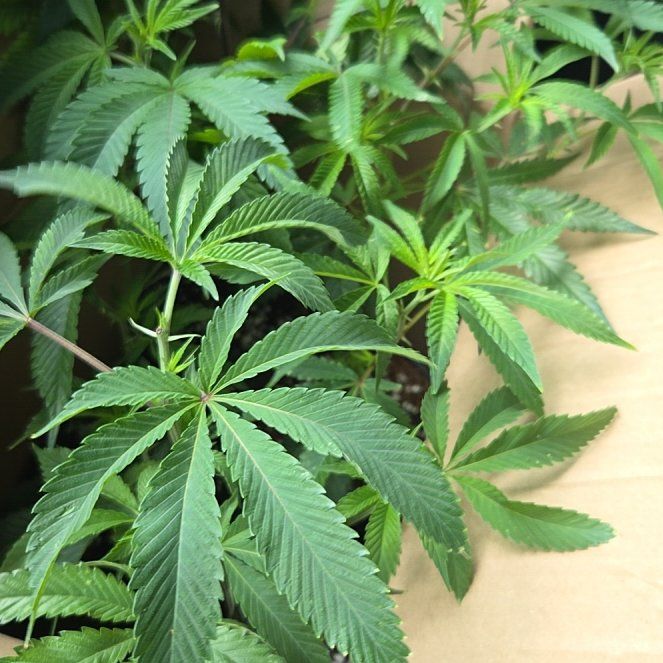
What's Eating Your Marijuana
Cannabis sativa
By the Greg Editorial Team
Jul 20, 2024•6 min read
This article was created with the help of AI so we can cover more plants for you. May contain errors. See one? Report it here.
- ๐ฆ Identify damage: Deer's jagged edges, rabbits' clean cuts on Marijuana stems.
- ๐ง Use deterrents: Fencing, netting, and organic solutions protect against herbivores.
- ๐ Encourage beneficial fauna: Pollinators and predators help maintain garden balance.
Marijuana's Appeal to Herbivores
Marijuana, known scientifically as Cannabis sativa, has several features that can draw the attention of herbivores.
- The plant's leaves, stems, and flower buds contain varying concentrations of tetrahydrocannabinol (THC), which is most concentrated in the female flowers.
- Its potent aroma, while often a deterrent, can attract certain animals when food is scarce.
๐ฆ Seasonal changes can influence herbivore behavior towards Marijuana plants.
- During times of food scarcity, animals like deer may resort to consuming Marijuana, despite its strong smell.
- Pets, especially dogs and cats, may also interact with the plants out of curiosity or due to the increased appetite effects of Marijuana.
โ ๏ธ However, the consumption of Marijuana by animals can lead to toxic effects.
- For dogs, the lethal dose can be greater than 3 grams per kilogram of body weight.
- Symptoms of toxicity in pets include ataxia, vomiting, and severe depression, which can lead to death if central nervous system functions are heavily impaired.
- Immediate removal from the source and supportive therapy are critical for recovery.
Recognizing Animal Damage
๐ฆ Deer
Deer are notorious for their appetite for tender marijuana shoots. Look for jagged edges on leaves and stems, a telltale sign of deer feeding, as they lack upper incisors and tear their food. You might also notice trampled plants or antler rubs on stems, particularly during the fall rutting season. Deer droppings in the vicinity confirm their presence.
- To deter deer, consider using physical barriers like fencing or employing deterrents such as motion-activated sprinklers.
๐ Rabbits
Rabbit damage is more subtle, characterized by clean, angled cuts on stems and leaves. These critters prefer to munch closer to the ground, and their small, round droppings are a giveaway.
- Rabbit management can involve habitat modification to remove cover, along with protective netting around your plants.
๐ฟ Squirrels
Squirrels leave behind gnawed fruits and dug-up soil as they search for seeds. They may also nibble on stems and leaves, although less frequently.
- Deterrence techniques include using squirrel-proof plant covers or providing alternative food sources to distract them from your marijuana plants.
๐ฆ Birds
Birds may peck at seeds or young plants. Look for scattered debris from pecked buds or small holes in the soil where birds have been foraging.
- To manage bird activity, use reflective tape, netting, or decoy predators to keep them at bay.
๐ Rodents
Mice and voles target the roots and lower stems, often causing unseen damage until plants show distress. Telltale signs include gnaw marks and small burrows near the base of the plants.
- Rodent control methods range from traps to natural predators, ensuring you check local regulations before taking action.
๐ฆก Groundhogs/Woodchucks
Groundhogs or woodchucks create large burrows and can decimate a marijuana plant overnight. Look for large, jagged bites on leaves and stems, as well as disturbed soil.
- Deterrence strategies include fencing that extends underground to prevent digging and the use of safe, humane repellents.
Beneficial Garden Inhabitants
๐บ Pollinators
Pollinators like bees and butterflies are crucial for the health of any garden, including those with Marijuana plants. They facilitate the reproductive process of plants, leading to fruit and seed production.
- Plant diverse flowering species to provide nectar and pollen throughout the year.
- Avoid pesticides that could harm these delicate creatures.
- Consider installing bee houses or leaving natural areas for nesting.
๐ Predatory Insects
Predatory insects are nature's pest control agents, keeping harmful insect populations in check.
- Introduce plants with single-petal flowers or small blossoms like yarrow to attract ladybugs and lacewings.
- Allow herbs and vegetables to go to seed, providing extra food for these insects.
- Provide water sources, especially for bees, to create a hospitable environment.
๐ฆ Other Beneficial Animals
A variety of other animals can also contribute positively to the Marijuana garden's ecosystem.
- Frogs and lizards consume pesky insects and indicate a healthy environment.
- Birds not only add beauty but also help control insect populations.
- Encourage these animals by providing shelters like birdhouses and keeping a fresh water supply.
By inviting these beneficial inhabitants into your Marijuana garden, you create a vibrant, self-regulating ecosystem that minimizes the need for chemical interventions and enhances the overall gardening experience.
Strategies for Protection
๐ฟ Preventive Measures
Protecting your Marijuana plants starts with a proactive approach, blending garden design with nature's checks and balances. Here's how to create a fortress without disrupting the ecosystem's harmony:
- Design with Nature in Mind: Position plants to benefit from natural barriers and companions that deter herbivores.
- Organic Deterrents: Utilize non-toxic sprays made from ingredients like garlic, pepper, or predator urine to keep animals at bay.
- Physical Barriers: Erect fences, netting, or use cloches for young plants. These are silent sentinels that guard against unwanted nibblers.
๐ฆ Reactive Solutions
When herbivores slip past your defenses, it's time for targeted action. Here's how to respond without declaring war on the environment:
- Chemical Controls: If you must resort to chemicals, choose the least toxic options and apply them judiciously, prioritizing the plant's safety and the local wildlife.
- Adapt and Overcome: Monitor animal behavior and adapt your strategies. Rotate repellents and reinforce barriers as needed to stay one step ahead of persistent critters.
Ecological Considerations
Marijuana's presence in a garden isn't just about cultivation for human use; it's a cog in the local ecological machine. This plant interacts with a variety of organisms, each playing a distinct role in the broader environmental tapestry.
- Understanding the role of Marijuana in the local ecosystem involves recognizing its relationships with soil fungi, pollinators, and even herbivores.
- The symbiotic relationship with arbuscular mycorrhizal fungi (AMF) extends the plant's root capabilities, enhancing nutrient uptake and overall health.
Biodiversity is the lifeblood of resilient ecosystems, and each species, including Marijuana, contributes to this biological wealth.
- Animals that interact with Marijuana, whether they are pollinators or herbivores, are part of a complex network of life that sustains the garden's vibrancy.
- While some animals may cause plant damage, they also fulfill essential roles such as soil aeration, seed dispersal, and pest control.
To cultivate Marijuana responsibly, one must consider its ecological footprint and strive for practices that support environmental sustainability.
- Large-scale cultivation can lead to land use changes, habitat loss, and water course alterations, highlighting the need for eco-friendly growing methods.
- Indoor growing, organic mulches, and reduced pesticide use are steps towards minimizing negative impacts on the local habitat.
โ ๏ธ Safety First
This content is for general information and may contain errors, omissions, or outdated details. It is not medical, veterinary advice, or an endorsement of therapeutic claims.
Always consult a qualified healthcare professional before using any plant as food, medicine, or supplement.
Never eat any plant (or feed one to pets) without confirming its identity with at least two trusted sources.
If you suspect poisoning, call Poison Control (800) 222-1222, the Pet Poison Helpline (800) 213-6680, or your local emergency service immediately.
Spotted an error? Please report it here.