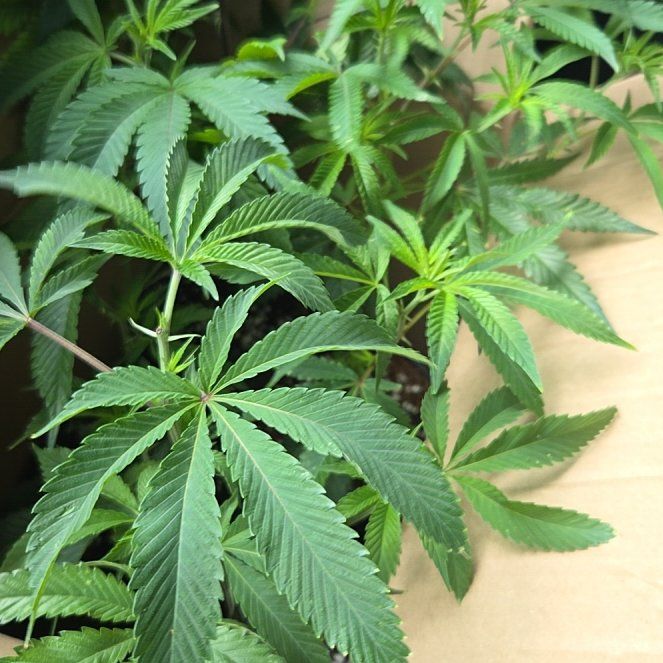
Best Pot for Marijuana
What Size Pot Does a Marijuana Plant Need?
Cannabis grows fast and its oxygen-hungry roots benefit from being potted up progressively rather than starting in a very large pot. Too much soil relative to the root system holds moisture for too long between waterings, which invites root problems.
A common approach is to start seedlings in a solo cup or 1-gallon pot, move to 3 gallons during vegetative growth, and finish in 5–10 gallons for the flowering stage. The final pot size affects how large the plant can get, how much you'll need to water, and ultimately the size of the harvest.
For autoflowering varieties that have a short, fixed life cycle, many growers skip intermediate steps and start directly in a 5-gallon final pot to avoid transplant stress that can cut into a short vegetative window.
What Material Pot Is Best for Marijuana?
Cannabis develops a vigorous, deep root system that actively seeks water and oxygen at every stage of growth. The roots need a container that allows them to spread downward freely while also letting excess water escape quickly so the root zone never stays saturated.
During peak growth, the plant drinks heavily and the roots can fill a container fast. A pot that allows some airflow to the outer root zone helps prevent the buildup of heat and moisture that can slow development.
Cannabis does well in almost any pot material, so pick what fits your setup. Fabric "smart pots" are a grower favorite because they let air reach the roots and drain quickly, which keeps the root zone healthy. Plastic is just as popular and makes it easy to add extra drainage holes if you need them.
The one material to avoid is metal. Cannabis often grows in direct sun, and metal heats up fast, which can damage roots on a hot afternoon.

Does My Marijuana Plant Need Drainage Holes?
Yes, always. Cannabis roots need excellent drainage and will suffer quickly in waterlogged conditions. Standing water at the bottom of a pot depletes oxygen, which is exactly what the root system needs most.
For fabric pots, drainage is built in through the walls and base. For any rigid pot, make sure there are multiple drainage holes and that you're watering to runoff each session to flush salt buildup from nutrients. Never let the plant sit in a saucer full of water.
When Should I Repot My Marijuana Plant?
For photoperiod cannabis plants, repotting is done proactively at planned intervals rather than waiting for obvious rootbound signs. Transplant from seedling cup to 3-gallon when the first few nodes have formed, and from 3-gallon to final pot before initiating the flowering light cycle.
Autotoflowering varieties should ideally be started in their final pot to avoid transplant stress that can stunt an already short vegetative stage. Handle the root ball carefully when transplanting and avoid disturbing it more than necessary.
For plants kept in a perpetual vegetative state (mothers for cloning), repot into a slightly larger container annually in spring, similar to any other perennial plant.
When Can I Plant Marijuana in the Ground?
Cannabis can be grown outdoors in the ground in USDA zones 8a through 11b, where it receives long, warm growing seasons. For annual crops, plant outdoors after your last frost date, ideally with 6+ hours of direct sun per day. In-ground plants often grow much larger than container plants given the unrestricted root space.
In cooler zones, cannabis can still be grown outdoors during the frost-free months but may need to be started indoors early to complete its cycle before fall. Photoperiod varieties will begin flowering naturally as days shorten in late summer.
Got More Questions?
About This Article
