π Ultimate Guide to What's Eating Your Hemp
Cannabis sativa
By the Greg Editorial Team
Oct 19, 2024•6 min read
This article was created with the help of AI so we can cover more plants for you. May contain errors. See one? Report it here.
- π± Young hemp is a favorite for herbivores, making it vulnerable to various pests.
- π¦ Deer and rabbits cause significant damage, identifiable by specific signs like chewed leaves.
- π‘οΈ Effective deterrents like fencing and repellents can protect your hemp garden.
Description and Appeal of Hemp
Appearance πΏ
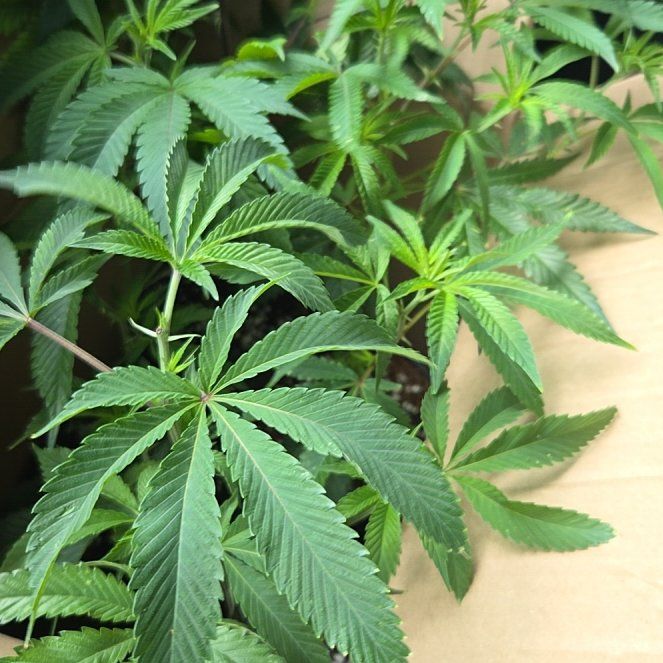
Hemp is a striking plant, known for its tall stature and rapid growth. With serrated leaves and distinctive flowers, it can reach heights of up to 15 feet, making it a standout in any garden.
The leaf structure features palmate leaves that typically have 5 to 7 leaflets. This unique design not only adds to its visual appeal but also plays a role in its overall health and growth.
Most Appealing Parts to Animals πΎ
Young shoots are particularly enticing to various herbivores. Their tenderness and nutritious content make them a prime target for hungry animals.
The flowers of the hemp plant are rich in nectar, attracting pollinators and some herbivores alike. Additionally, the seeds are high in protein, drawing in birds and rodents who find them irresistible.
Understanding these appealing aspects of hemp can help you better protect your plants from potential threats while appreciating their beauty and ecological role.
Common Herbivores Affecting Hemp
π¦ Deer
Signs of Presence and Damage Caused
Deer can be a significant threat to your hemp plants. Look for irregularly chewed leaves and stems, as well as distinctive hoof prints near the plants.
Beneficial vs. Harmful Interactions
While deer may seem harmless, they are generally harmful. They can decimate young plants and drastically reduce your yield.
Deterrent Methods (difficulty: moderate)
To keep deer at bay, consider using chemical repellents with strong scents. Alternatively, planting aromatic herbs like lavender around your hemp can act as an organic deterrent.
π Rabbits
Signs of Presence and Damage Caused
Rabbits leave clear signs of their presence. Youβll notice cleanly cut stems and leaves at a 45-degree angle, along with small, round droppings near the plants.
Beneficial vs. Harmful Interactions
Rabbits are generally harmful to hemp. They can severely damage young plants, making them a nuisance for growers.
Deterrent Methods (difficulty: easy)
For easy deterrence, use rabbit-specific chemical repellents. Fencing at least 2 feet high and planting rabbit-resistant plants can also help keep them away.
πΏοΈ Squirrels
Signs of Presence and Damage Caused
Squirrels can wreak havoc on your hemp garden. Look for gnawed stems, scattered seeds, and nesting signs like drey nests in nearby trees.
Beneficial vs. Harmful Interactions
Squirrels are generally harmful as they can damage plants and consume seeds. Their playful antics may be entertaining, but they can lead to significant losses.
Deterrent Methods (difficulty: moderate)
Capsaicin-based sprays serve as effective chemical repellents against squirrels. Additionally, installing squirrel-proof bird feeders can divert their attention away from your hemp.
π¦ Birds
Signs of Presence and Damage Caused
Birds can be both friends and foes in your hemp garden. You might find seed husks scattered around the base of the plant and pecks or holes in the flowers.
Beneficial vs. Harmful Interactions
Birds can be beneficial for pollination but harmful when they consume seeds. Itβs a delicate balance to maintain.
Deterrent Methods (difficulty: easy)
Non-toxic bird deterrent sprays can help keep birds at bay. Using netting over your plants is another effective way to protect seeds and flowers.
π Rodents (Mice, Voles, etc.)
Signs of Presence and Damage Caused
Rodents can cause serious damage to your hemp. Look for tunnels or burrows near the base of the plant, along with chewed roots and stems.
Beneficial vs. Harmful Interactions
Rodents are generally harmful, as they can cause significant plant damage. Their presence can lead to a frustrating gardening experience.
Deterrent Methods (difficulty: hard)
For rodent control, consider using rodent-specific chemical repellents. Organic options include traps and encouraging natural predators like owls to visit your garden.
Understanding these common herbivores and their impact on hemp is crucial for effective management. By employing the right deterrent methods, you can protect your plants and ensure a thriving garden ecosystem.
Beneficial Animals and Ecosystem Impact
π Description of Beneficial Animals
Hemp gardens thrive thanks to a variety of beneficial animals. Pollinators like bees and butterflies are drawn to the vibrant flowers, playing a crucial role in fertilization.
Predatory insects, such as ladybugs and lacewings, help keep pest populations in check. Their presence can significantly reduce the need for chemical interventions.
πΏ Positive Impacts on the Garden Ecosystem
The impact of these beneficial animals extends beyond mere aesthetics. Enhanced pollination leads to better seed production, ensuring a robust harvest.
Moreover, natural pest control from predatory insects fosters a healthier garden ecosystem. This balance minimizes the reliance on harmful pesticides, promoting sustainability.
Incorporating these allies into your hemp garden not only supports plant health but also enriches the entire ecosystem. By understanding their roles, you can cultivate a thriving environment that benefits both your plants and the wildlife around them.
Next, letβs explore general strategies for protecting your hemp from herbivores and pests.
General Strategies for Protecting Hemp
π‘οΈ Preventive Measures for Herbivore Damage
Fencing is one of the most effective ways to protect your hemp plants from larger herbivores. Installing sturdy barriers can keep deer and rabbits at bay, ensuring your plants have the best chance to thrive.
Companion planting is another smart strategy. By incorporating plants that naturally deter herbivores, you create a protective environment for your hemp. Consider herbs like mint or strong-smelling flowers that can confuse or repel unwanted visitors.
β οΈ Reactive Solutions for Managing Animal Interactions
Monitoring your garden regularly is crucial. Keep an eye out for signs of animal presence, such as tracks or chewed leaves, so you can act quickly before damage escalates.
When you notice signs of herbivore activity, immediate action is key. Utilize repellents or traps to manage the situation effectively. The sooner you respond, the better your chances of preserving your hemp crop.
π± Maintaining a Balanced Garden Ecosystem
Encouraging beneficial insects is vital for a healthy garden. Pollinators like bees and predatory insects such as ladybugs can help control pest populations while promoting plant health.
Understanding the ecological role of each animal in your garden is equally important. By fostering a balanced ecosystem, you can enjoy the benefits of nature while keeping harmful herbivores in check. This approach not only protects your hemp but also enriches the overall garden experience.
Seasonal Considerations
Seasonal Variations in Animal Attraction π
As the seasons change, so does the behavior of animals around your hemp plants. In spring, rabbits and deer become particularly active, drawn to the tender new growth that hemp offers.
By fall, the scene shifts as birds flock to the seeds, preparing for winter. This seasonal rhythm can significantly impact your hemp's health and yield.
Timing of Plant Vulnerability π±
Young hemp plants are most vulnerable in early spring. Their tender shoots are a prime target for hungry herbivores.
Mature plants, while less attractive, can still fall prey to certain pests. It's essential to remain vigilant throughout the growing season.
Toxic Effects of Hemp β οΈ
While hemp is generally safe, it does have mild toxicity for some animals. Consuming large amounts can lead to adverse effects, so moderation is key.
Most animals can enjoy hemp in small quantities without harm. Understanding these nuances helps you manage your garden ecosystem effectively.
With this knowledge, you can better protect your hemp and foster a thriving environment. Next, weβll explore strategies for protecting your hemp from herbivore damage.
β οΈ Safety First
This content is for general information and may contain errors, omissions, or outdated details. It is not medical, veterinary advice, or an endorsement of therapeutic claims.
Always consult a qualified healthcare professional before using any plant as food, medicine, or supplement.
Never eat any plant (or feed one to pets) without confirming its identity with at least two trusted sources.
If you suspect poisoning, call Poison Control (800) 222-1222, the Pet Poison Helpline (800) 213-6680, or your local emergency service immediately.
Spotted an error? Please report it here.