🐛 What's Eating Your Happy Face White Potentilla
Potentilla fruticosa 'Happy Face White'
By the Greg Editorial Team
Oct 16, 2024•6 min read
This article was created with the help of AI so we can cover more plants for you. May contain errors. See one? Report it here.
- 🌼 Happy Face White Potentilla attracts pollinators while providing food for herbivores.
- 🦌 Deer and rabbits can damage plants; use fencing and repellents for protection.
- 🐦 Birds aid pollination but may harm flowers; netting can safeguard your plants.
Description and Appeal
Appearance and Characteristics 🌼
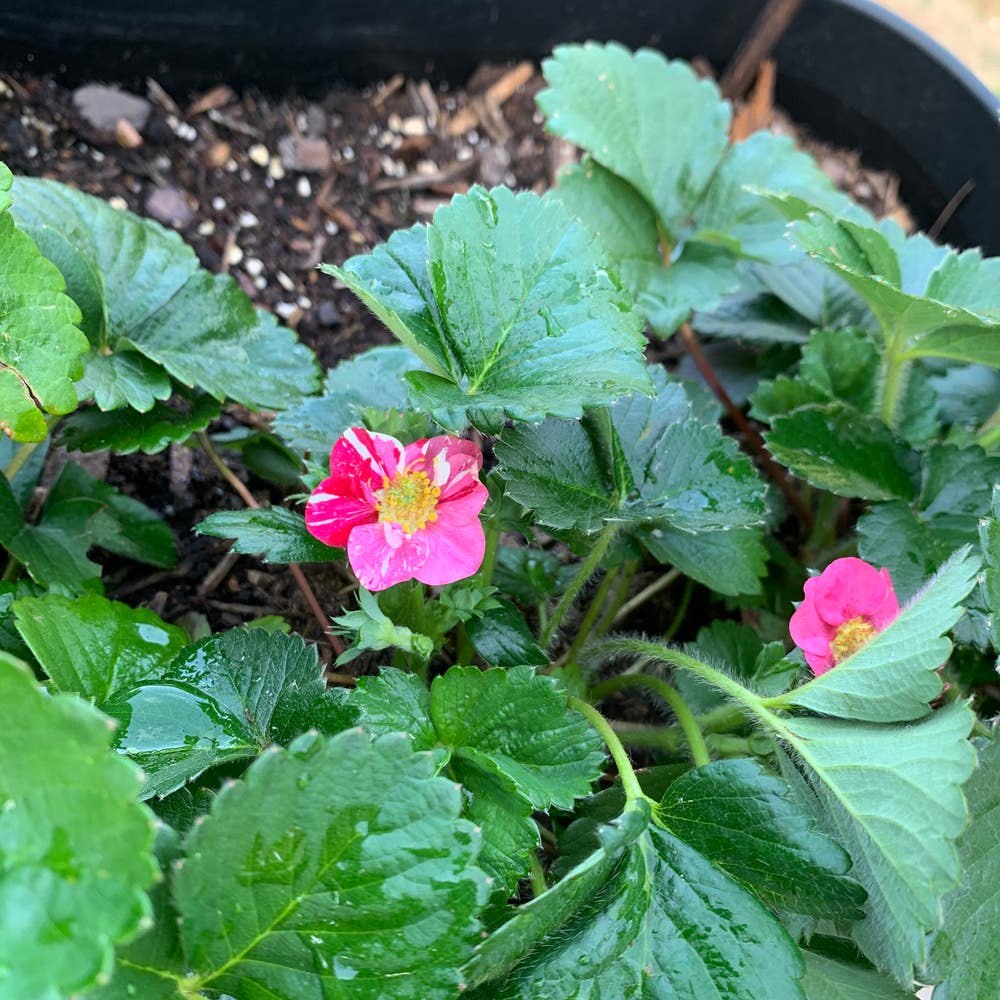
The Happy Face White Potentilla is a delightful sight in any garden. Its distinctive white flowers, adorned with a cheerful pattern, create a striking visual appeal.
This low-growing perennial typically reaches heights of 12 to 18 inches. Its compound leaves, featuring serrated edges, add texture and interest to the landscape.
Most Appealing Parts to Animals 🐾
The bright white blooms are a magnet for various herbivores and pollinators. These flowers not only enhance the garden's beauty but also serve as a vital food source.
Young shoots are tender and nutritious, making them particularly appealing to many garden animals. Additionally, the small, fleshy fruits attract birds and small mammals, further enriching the ecosystem.
In summary, the Happy Face White Potentilla is not just a pretty face; it plays a crucial role in attracting wildlife. This interaction with animals can be both beneficial and challenging, setting the stage for the next section on common herbivores.
Common Herbivores
🦌 Deer
Signs of Presence
Look for distinctive hoof prints in muddy areas, which indicate deer activity. You might also find dark, pellet-like droppings near your plants.
Type of Damage
Deer are notorious for browsing, stripping leaves and flowers from your happy face potentilla. They can also break branches due to heavy feeding.
Interaction Impact
The impact of deer is generally harmful, as they can decimate plant populations quickly.
Deterrent Methods
To keep deer at bay, consider installing 8-foot tall fencing around your plants. Alternatively, use commercial deer repellents or homemade solutions like garlic spray for an easier approach.
🐇 Rabbits
Signs of Presence
Rabbits leave behind clean cuts on young shoots, indicating they’ve been munching. You may also spot small, round droppings scattered around.
Type of Damage
These furry critters can cause significant damage by grazing on young shoots and flowers.
Interaction Impact
Rabbits are generally harmful, as their feeding can severely hinder plant growth.
Deterrent Methods
Netting is an effective way to cover your plants and prevent rabbit access. You can also use spicy or bitter sprays to deter their feeding habits.
🐿️ Squirrels
Signs of Presence
Look for chewed bark on stems and branches, along with disturbed soil around the base of the plant. These signs indicate squirrel activity.
Type of Damage
Squirrels gnaw on stems and roots, which can lead to plant stress over time.
Interaction Impact
Their presence is generally harmful, as they can weaken plants significantly.
Deterrent Methods
Scare tactics, like using reflective objects or noise-making devices, can help deter squirrels. You can also apply commercial squirrel repellents or homemade solutions for added protection.
🐦 Birds
Signs of Presence
Feathers near the plant and nests in nearby trees or shrubs are clear signs of bird activity.
Type of Damage
Birds can cause pecking damage to flowers and young fruits, impacting your plant's health.
Interaction Impact
Birds can be both beneficial and harmful; while they help with pollination, they can also damage blooms.
Deterrent Methods
Using netting can protect flowers from pecking. Reflective objects can also scare birds away from your garden.
🐭 Rodents (Mice, Voles)
Signs of Presence
Look for small burrows or pathways in the soil, along with small, dark pellets near the plant.
Type of Damage
Rodents gnaw on roots and stems, leading to significant plant decline.
Interaction Impact
Their activity is generally harmful, causing considerable plant stress.
Deterrent Methods
Setting traps around the garden can help manage rodent populations. Additionally, habitat modification—like reducing cover and food sources nearby—can deter them.
🦡 Groundhogs/Woodchucks
Signs of Presence
You’ll notice large holes dug into the ground and chewed plants, indicating groundhog activity.
Type of Damage
These animals can cause extensive grazing, completely stripping plants of foliage.
Interaction Impact
Groundhogs are generally harmful, as they can devastate garden areas quickly.
Deterrent Methods
Strong fencing can prevent access to your plants. You can also use commercial or homemade repellents to deter their feeding.
This overview of common herbivores highlights the challenges they pose to your happy face potentilla. Understanding their signs, types of damage, and effective deterrent methods can help you protect your garden and maintain its beauty. Next, we’ll explore the beneficial animals and insects that can enhance your garden ecosystem.
Beneficial Animals and Insects
🐝 Pollinators
Bees and butterflies play a crucial role in the pollination of the Happy Face White Potentilla. Their activity not only aids in plant reproduction but also enhances the overall health of your garden.
🦋 Role of Beneficial Insects
Predatory insects like ladybugs and lacewings are your garden's best friends. They help manage pest populations, keeping harmful insects in check and promoting a balanced ecosystem.
🌍 Positive Impact on Ecosystem
Attracting a variety of beneficial species enhances biodiversity. This diversity contributes to a more resilient garden, making it less susceptible to disease and pest outbreaks.
Incorporating these beneficial animals and insects into your gardening strategy can lead to a thriving environment. Understanding their roles will empower you to create a more harmonious garden ecosystem.
Seasonal Considerations
Variations in Animal Attraction 🦊
As spring arrives, animal activity ramps up significantly. Many creatures emerge from their winter slumber, eager to explore and forage.
In summer, young animals are often seen learning to navigate their surroundings. This is a crucial time for them to develop foraging skills, making your Happy Face White Potentilla particularly appealing.
Timing of Vulnerability 🐾
During spring, the tender shoots of the Happy Face White Potentilla are at their most vulnerable. These young, succulent leaves are a favorite target for hungry herbivores.
By summer, the plant's bright blooms attract various animals looking for a tasty snack. This period can lead to increased grazing pressure, so vigilance is key to protecting your garden.
Toxicity and Safety
⚠️ Potential Toxic Effects
While the Happy Face White Potentilla is generally safe, some parts of the plant exhibit mild toxicity. This characteristic can deter certain herbivores, helping to protect the plant from excessive grazing.
🐾 Safety Considerations
It's essential to understand how this plant affects non-target species. Ensuring safe interactions in your garden environment is crucial, especially if you have pets or children.
By being aware of these factors, you can enjoy the beauty of the Happy Face White Potentilla while keeping your garden safe and thriving.
As we explore further, let’s look into effective protection strategies to safeguard your plants from herbivores.
⚠️ Safety First
This content is for general information and may contain errors, omissions, or outdated details. It is not medical, veterinary advice, or an endorsement of therapeutic claims.
Always consult a qualified healthcare professional before using any plant as food, medicine, or supplement.
Never eat any plant (or feed one to pets) without confirming its identity with at least two trusted sources.
If you suspect poisoning, call Poison Control (800) 222-1222, the Pet Poison Helpline (800) 213-6680, or your local emergency service immediately.
Spotted an error? Please report it here.
Keep your Happy Face White Potentilla flourishing 🌱 by using Greg's tailored tips for deterring herbivores and ensuring your garden remains a blooming haven for pollinators!