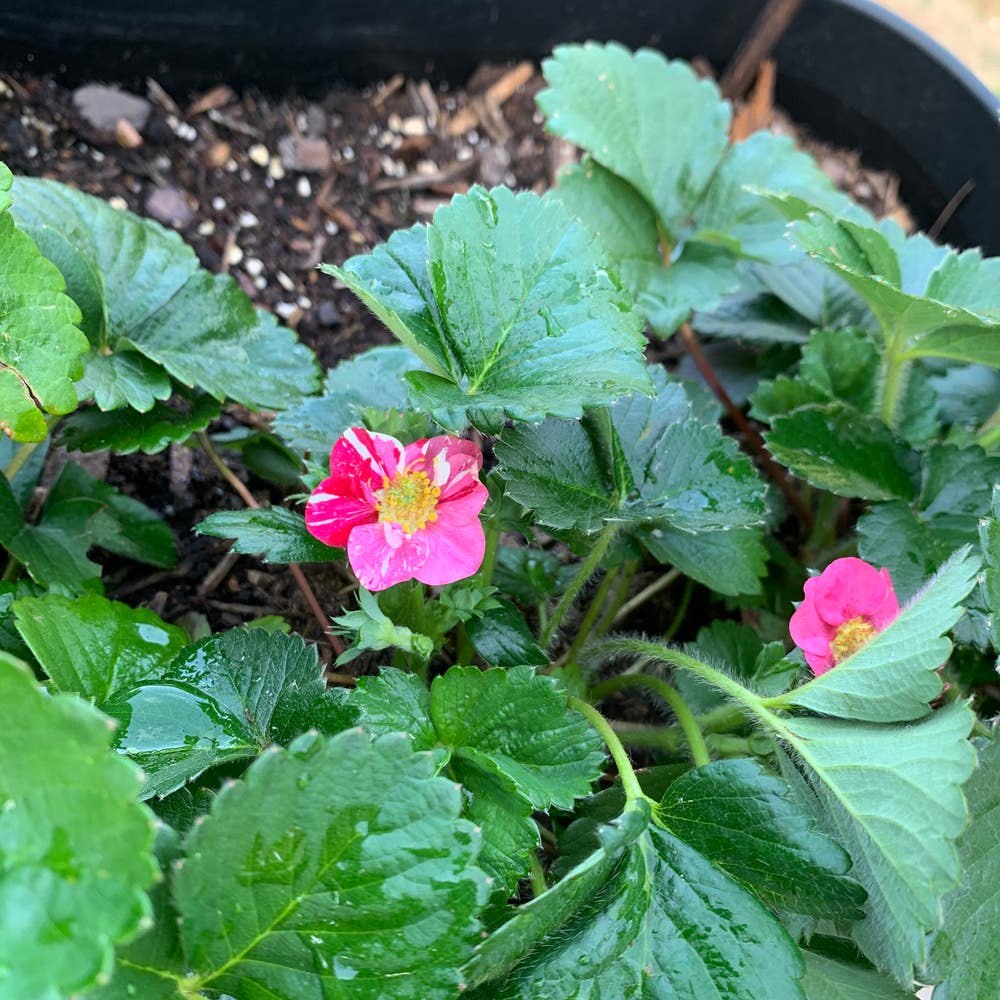
Understanding Why Happy Face White Potentilla May Not Flower
Potentilla fruticosa 'Happy Face White'
By the Greg Editorial Team
Oct 16, 2024•3 min read
This article was created with the help of AI so we can cover more plants for you. May contain errors. See one? Report it here.
- 🌞 Happy Face White Potentilla needs 6+ hours of sunlight daily for blooming success.
- 🌱 Balanced fertilization prevents lush foliage at the expense of flowers; use low nitrogen.
- 💧 Consistent soil moisture and proper drainage are vital to avoid flower drop and root rot.
Flowering Problems in Happy Face White Potentilla
🌸 Failure to Bloom
Potential Causes
Light Requirements
Happy Face White Potentilla thrives in full sun, needing at least six hours of direct sunlight daily. Without adequate light, you may notice stunted growth and sparse flowering.
Nutritional Needs
Over-fertilization can lead to excessive foliage growth at the expense of blooms. Conversely, nutrient deficiencies, particularly in phosphorus and potassium, can severely hinder flowering.
Pruning Practices
Timing is crucial when it comes to pruning. If you prune too late, you risk removing flower buds, while aggressive techniques can stress the plant and inhibit blooming.
💡 Solutions and Best Practices
Adjusting Light Exposure
To encourage blooming, ensure your plant receives at least six hours of direct sunlight each day. This simple adjustment can make a significant difference.
Nutrient Management
Opt for a balanced fertilizer with lower nitrogen content to promote flowering. Additionally, conducting soil tests can help identify any deficiencies that need addressing.
Pruning Guidelines
Prune your Happy Face White Potentilla in early spring before new growth begins. Always use sharp, clean tools to minimize stress on the plant.
🌼 Premature Flower Drop
Common Triggers
Environmental Stress
Drought conditions can lead to bud drop, as insufficient watering stresses the plant. On the flip side, overwatering or poor drainage can also cause root stress, leading to premature flower loss.
Pests
Keep an eye out for signs of pest infestations, such as wilting or discoloration of leaves. Visible pests on the foliage can also indicate trouble.
Remedies and Preventive Measures
Watering Practices
Maintain consistent moisture in the soil without waterlogging. Using mulch can help retain soil moisture and regulate temperature effectively.
Pest Management
Regular inspections are key to catching pests like aphids or spider mites early. If you spot an infestation, consider using insecticidal soap or neem oil for treatment.
🌱 Abnormal Flower Development
Identifying Abnormal Growth Patterns
Look for symptoms like deformed flowers or inconsistent blooming. These issues can often stem from genetic factors or environmental stressors.
Factors Influencing Flower Morphology
Soil conditions play a significant role in flower development. Aim for a pH level between 6.0 and 7.5, and ensure your soil is well-drained to promote healthy blooms.
Environmental Influences
Temperature fluctuations can also impact flower formation. Extreme heat or cold can disrupt the blooming process.
🐞 Pests and Diseases
Common Pests Affecting Flowering
Aphids
Aphids leave a sticky residue and can cause curled leaves. Introducing beneficial insects or applying insecticidal soap can help control their population.
Spider Mites
Look for fine webbing and stippled leaves as signs of spider mite infestations. Increasing humidity and using miticides can effectively manage these pests.
Diseases Impacting Flower Development
Root rot is a serious concern, often indicated by wilting and yellowing leaves despite adequate watering. To prevent this, ensure your soil is well-drained and avoid overwatering.
Powdery Mildew
This disease manifests as white, powdery spots on leaves. Improving air circulation and applying fungicides as needed can help combat this issue.
By understanding these flowering problems and implementing the suggested solutions, you can help your Happy Face White Potentilla thrive and bloom beautifully. Next, let’s explore how to maintain optimal growing conditions for your plant.
⚠️ Safety First
This content is for general information and may contain errors, omissions, or outdated details. It is not medical, veterinary advice, or an endorsement of therapeutic claims.
Always consult a qualified healthcare professional before using any plant as food, medicine, or supplement.
Never eat any plant (or feed one to pets) without confirming its identity with at least two trusted sources.
If you suspect poisoning, call Poison Control (800) 222-1222, the Pet Poison Helpline (800) 213-6680, or your local emergency service immediately.
Spotted an error? Please report it here.
Unlock your Happy Face White Potentilla's blooming potential 🌼 by using Greg's tailored watering reminders and nutrient tracking to keep your plant thriving all season long!