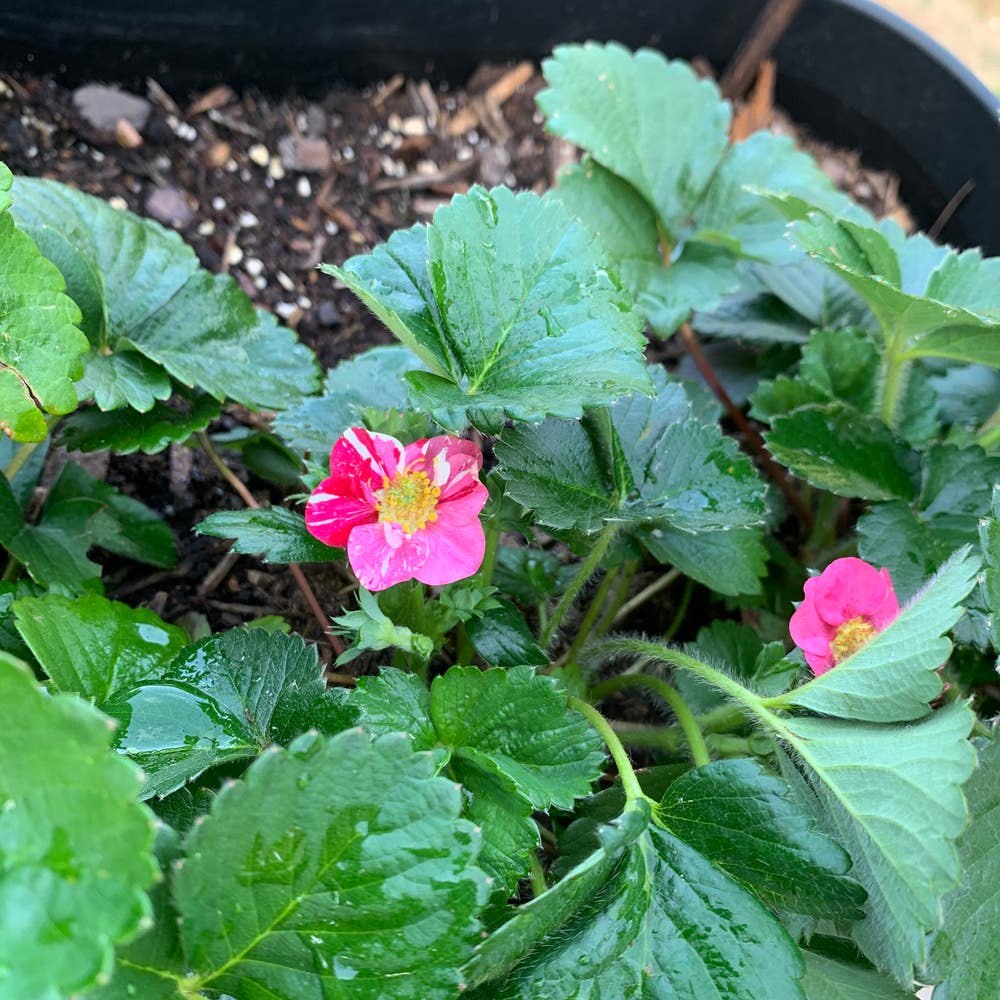
😊 Managing Leaf Drop on Your Happy Face White Potentilla
Potentilla fruticosa 'Happy Face White'
By the Greg Editorial Team
Oct 16, 2024•6 min read
This article was created with the help of AI so we can cover more plants for you. May contain errors. See one? Report it here.
- 🌱 Leaf drop indicates overwatering or underwatering; check leaf color and texture.
- ☀️ Happy Face Potentilla needs 6-8 hours of sunlight daily to thrive.
- 🐛 Regular pest inspections help catch infestations early and maintain plant health.
Diagnosing Leaf Drop Issues
🌊 Identifying Symptoms of Overwatering vs. Underwatering
When diagnosing leaf drop, start by examining the leaves. Overwatered leaves often appear yellow and mushy, while underwatered ones may be crispy and brown.
Next, assess the soil moisture. If it feels soggy and waterlogged, you’re likely overwatering. Conversely, dry, crumbly soil indicates underwatering.
🐛 Recognizing Signs of Pest Damage
Regular visual inspections are crucial for spotting pests. Look for unusual spots, holes, or webbing on the leaves, which can signal an infestation.
Early detection is key to preventing further leaf drop. Addressing pest issues promptly can save your plant from significant damage.
🌡️ Assessing Environmental Conditions
Light
Happy Face White Potentilla thrives in full sun, ideally receiving 6-8 hours of direct light daily. Insufficient light can lead to leggy growth and increased leaf drop.
Temperature
Monitor temperature fluctuations using a thermometer. Adjust your plant's placement based on seasonal changes to ensure it remains comfortable.
🧪 Soil Testing for Nutrient Levels
Understanding nutrient availability is vital for plant health. Regular soil testing helps you identify deficiencies that could contribute to leaf drop.
Aim to test your soil at least once a year. This proactive approach ensures your Potentilla receives the nutrients it needs to thrive.
By diagnosing these issues early, you can implement effective solutions and keep your Happy Face White Potentilla healthy and vibrant. Next, let’s explore how to prevent leaf drop in the first place.
Preventing Leaf Drop
🌊 Best Watering Practices for Potentilla
To keep your Happy Face White Potentilla thriving, aim for a watering schedule of once a week. Adjust this based on weather conditions; during hotter spells, your plant may need a bit more love.
Checking soil moisture is crucial. Use the finger test—stick your finger into the soil about an inch deep—or grab a moisture meter for a more precise reading.
🏞️ Soil Selection and Drainage Solutions
The ideal soil for Potentilla is well-draining loamy soil. This type allows for proper moisture retention while preventing sogginess.
To enhance drainage, consider mixing in perlite or sand. These additions create air pockets, promoting healthier root growth.
🌡️ Ideal Environmental Conditions for Growth
Maintaining optimal temperature and humidity levels is key to preventing leaf drop. Aim for a comfortable range that suits your plant's needs.
Using shade cloths or fans can help regulate conditions, especially during extreme weather. This simple adjustment can make a world of difference.
🐞 Regular Pest Monitoring and Control Methods
Regular inspections are essential; aim for weekly checks for pests. Early detection can save your plant from significant stress.
Control methods include introducing beneficial insects like ladybugs and using insecticidal soap. These options are effective and environmentally friendly.
🌱 Fertilization Schedule and Nutrient Management
Fertilize your Potentilla every 4-6 weeks during the growing season. This regular feeding helps maintain vibrant growth and prevents nutrient deficiencies.
Consider using balanced NPK fertilizers or organic options. Both can provide the essential nutrients your plant craves.
By implementing these preventive measures, you can create a thriving environment for your Happy Face White Potentilla. Next, let’s explore how to treat any leaf drop problems that may arise.
Treating Leaf Drop Problems
Step-by-Step Guide to Adjusting Watering Habits 🌊
Assess Current Watering Schedule: Start by evaluating how often and how much you water your Potentilla. This will give you a baseline to work from.
Adjust Based on Soil Moisture Readings: Use your findings to either increase or decrease your watering frequency. Soil moisture should guide your decisions.
Monitor Plant Response: Keep an eye on your plant for signs of improvement or further distress. Adjustments may take time, so patience is key.
How to Improve Soil Drainage 💧
Identify Drainage Issues: Look for signs of water pooling around your plant. This indicates that drainage may be compromised.
Amend Soil: Mix in perlite or sand to enhance aeration and drainage. This will help prevent root rot and promote healthy growth.
Consider Repotting: If drainage issues persist, repotting may be necessary. Choose a pot with drainage holes to ensure excess water can escape.
Pest Control Methods 🐛
Organic Options
Neem Oil: Apply neem oil every 7-14 days to deter pests. It's effective and safe for your Potentilla.
Insecticidal Soap: Use insecticidal soap as needed, ensuring thorough coverage of affected areas. This helps eliminate pests without harming beneficial insects.
Chemical Options
Recommended Pesticides: Look for pesticides labeled safe for Potentilla. Always read the label for specific plant compatibility.
Application Guidelines: Apply pesticides in the early morning or late evening to minimize harm to beneficial insects. Follow safety precautions to protect yourself and the environment.
Nutrient Supplementation Techniques 🌱
Types of Supplements: Choose between liquid fertilizers for quick absorption or granular options for slow release. Both have their benefits depending on your needs.
Application Methods: Consider foliar feeding for immediate nutrient uptake or soil application for longer-lasting effects. Each method has its place in your care routine.
Pruning Techniques to Promote Healthy Growth ✂️
Best Time to Prune: Aim to prune in early spring or late fall. This timing encourages new growth when conditions are favorable.
Tools Needed: Use clean, sharp pruning shears to make precise cuts. This minimizes damage and promotes healing.
Techniques: Focus on removing dead or damaged leaves and stems. This not only improves appearance but also encourages healthier growth.
With these strategies in hand, you're well-equipped to tackle leaf drop issues effectively. Next, let’s explore seasonal considerations to keep your Happy Face White Potentilla thriving year-round.
Seasonal Considerations
🌧️ Seasonal Watering Adjustments
Adjust your watering frequency based on seasonal rainfall and temperature changes. During rainy seasons, you may need to water less frequently, while hot, dry spells require more attention.
Monitoring soil moisture year-round is crucial. Regular checks will help you avoid overwatering or underwatering, ensuring your Happy Face White Potentilla thrives.
❄️ Preparing Potentilla for Winter
Winterizing your Potentilla is essential for its survival. Techniques like mulching can protect the roots from freezing temperatures.
Look for signs of readiness for dormancy, such as leaf drop and reduced growth. These indicators signal that your plant is preparing for the colder months ahead.
🌱 Spring Care Tips to Prevent Leaf Drop
As spring arrives, consider early season fertilization to kickstart growth. Timing is key; apply a balanced fertilizer as new growth emerges.
Pruning strategies can also encourage new growth. Trim back any dead or damaged branches to promote a healthier, bushier plant.
☀️ Summer Heat Management Strategies
Managing heat stress during the summer is vital for your Potentilla's health. Providing shade and ensuring adequate watering can help mitigate the effects of high temperatures.
Increased vigilance is necessary for pest monitoring during hot months. Regular inspections will help you catch any issues before they escalate, keeping your plant happy and healthy.
These seasonal considerations will set your Happy Face White Potentilla up for success, ensuring it flourishes throughout the year. Next, let’s dive into effective methods for treating leaf drop problems.
⚠️ Safety First
This content is for general information and may contain errors, omissions, or outdated details. It is not medical, veterinary advice, or an endorsement of therapeutic claims.
Always consult a qualified healthcare professional before using any plant as food, medicine, or supplement.
Never eat any plant (or feed one to pets) without confirming its identity with at least two trusted sources.
If you suspect poisoning, call Poison Control (800) 222-1222, the Pet Poison Helpline (800) 213-6680, or your local emergency service immediately.
Spotted an error? Please report it here.
Keep your Happy Face White Potentilla thriving 🌼 by using Greg's tailored watering reminders and pest alerts to tackle leaf drop issues head-on!