😊 Step-by-Step Guide to Happy Face White Potentilla Flowers
Potentilla fruticosa 'Happy Face White'
By the Greg Editorial Team
Oct 16, 2024•5 min read
This article was created with the help of AI so we can cover more plants for you. May contain errors. See one? Report it here.
- 🌼 Happy Face White Potentilla features unique flowers with happy face markings, 1-2 inches wide.
- 🌞 Full sun for 6-8 hours daily is essential for vibrant blooms and healthy growth.
- 🌱 Regular pruning and deadheading encourage new blooms and maintain plant health.
Flower Characteristics
Description of Colors and Structure 🌼
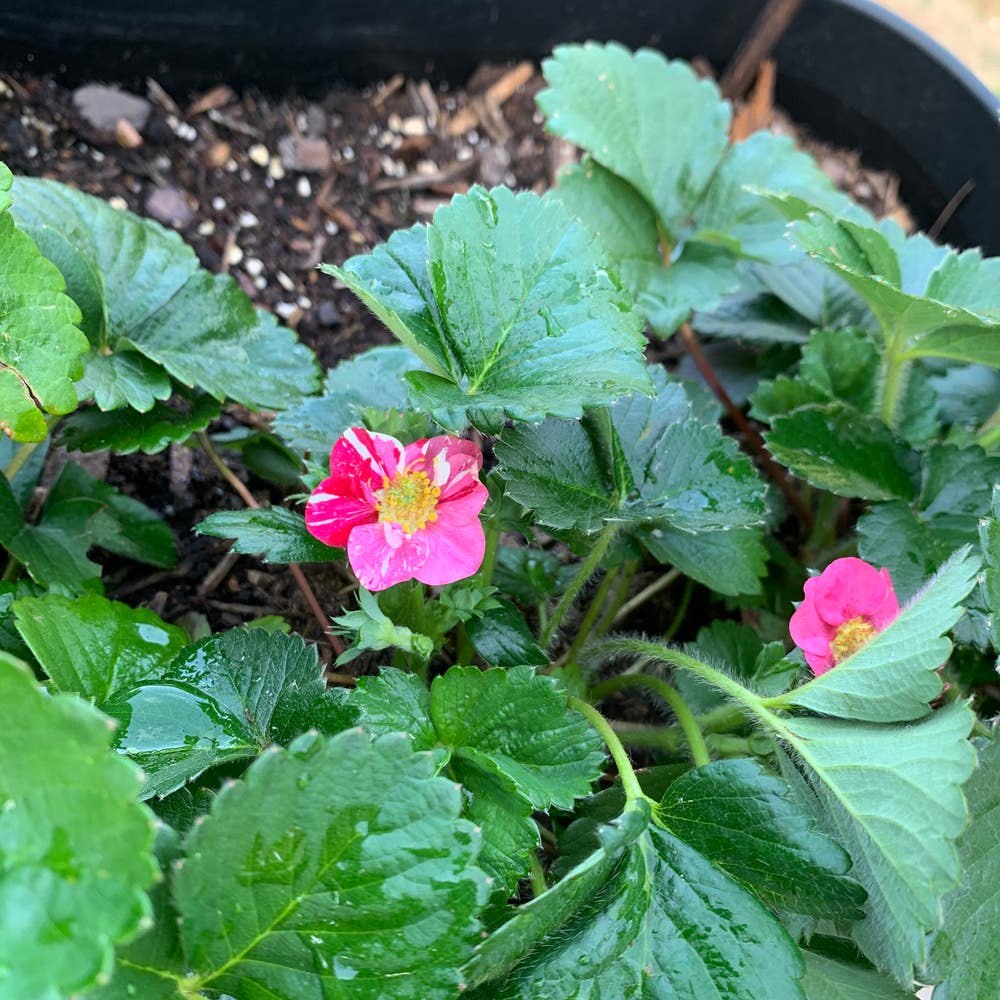
The Happy Face White Potentilla is a striking flower, predominantly white with charming happy face markings that add a playful touch. Each flower spike features a unique arrangement of petals, typically measuring around 1-2 inches in diameter, making them a delightful sight in any garden.
When compared to other Potentilla varieties, the Happy Face stands out not just for its color but also for its compact growth habit. While many Potentilla flowers exhibit a more uniform appearance, this variety's distinctive markings and structure make it a favorite among gardeners.
Self-Pollination vs. External Pollination 🐝
The Happy Face White Potentilla is primarily self-pollinating, which means it can produce seeds without needing pollen from another plant. This trait enhances its ability to thrive in various environments, ensuring a robust reproduction process.
Self-pollination can lead to a more stable population, as the plant doesn't rely on external factors for reproduction. However, it may limit genetic diversity, which is crucial for long-term health and resilience against diseases. Understanding this balance is key for any gardener looking to cultivate these beautiful flowers.
Blooming Process
🌸 Blooming Stages and Typical Bloom Time
The blooming process of Happy Face White Potentilla unfolds in three distinct stages: bud formation, opening, and full bloom. Initially, small buds form, gradually swelling until they burst open to reveal the striking white flowers adorned with cheerful markings.
Typically, the blooming season aligns with warmer months, peaking in late spring to early summer. This seasonal pattern ensures that the flowers are at their most vibrant when garden enthusiasts are eager to enjoy their beauty.
⏳ Time from Bud Formation to Full Bloom
On average, it takes about 2 to 4 weeks for the Happy Face White Potentilla to transition from bud formation to full bloom. This timeline can vary based on several factors, including temperature, light exposure, and overall plant health.
Warmer temperatures and optimal sunlight can accelerate this process, while cooler conditions may slow it down. Keeping an eye on these variables can help you anticipate when your flowers will be at their best.
🌼 Duration of Flower Lifespan
Once in full bloom, the flowers typically last for about 1 to 2 weeks. However, environmental factors can significantly influence this lifespan.
For instance, consistent watering and adequate sunlight can prolong the blooming period, while extreme heat or drought may cause flowers to wilt prematurely. Understanding these dynamics can help you maximize the beauty of your Happy Face White Potentilla.
As you nurture your plant through its blooming journey, you'll find that each stage offers unique beauty and joy. Next, we’ll explore how to encourage more blooms and keep your plant thriving.
Encouraging Blooms
Tips for Encouraging Blooming 🌼
To get the most out of your Happy Face White Potentilla, start by ensuring it receives full sun exposure for 6-8 hours daily. This bright light is crucial for vibrant blooms.
Next, focus on maintaining well-drained soil conditions. Potentilla thrives in soil that allows excess water to escape, preventing root rot.
A regular watering schedule is essential, but be careful not to overwater. Keeping the soil moist without waterlogging will help your plant flourish.
Fertilization also plays a key role. Use balanced fertilizers during the growing season to provide the nutrients your plant needs for robust growth and blooming.
Factors Influencing Flowering 🌸
Several factors can influence the flowering of your Happy Face White Potentilla. Temperature is a significant one; warmer conditions generally promote more blooms.
Soil quality is another critical aspect. Nutrient-rich, well-aerated soil supports healthy growth and flowering.
Pruning practices can also affect blooming. Regularly trimming back spent flowers encourages new growth and can lead to additional blooms.
Lastly, seasonal care adjustments are vital. As the seasons change, adapting your care routine will help ensure your Potentilla continues to thrive and produce beautiful flowers.
With these tips and considerations, you can create an environment where your Happy Face White Potentilla truly shines. Next, let’s explore what happens after the flowering period and how to care for your plant post-bloom.
Post-Flowering Care
What Happens After the Flowering Period 🌼
After the Happy Face White Potentilla finishes blooming, it enters a transition phase. During this time, the plant may retain its leaves, go dormant, or continue to grow, depending on environmental conditions.
Deadheading is crucial during this period. By removing spent flowers, you encourage further blooming and help maintain the overall health of the plant.
Does the Plant Die After Flowering? ❓
Rest assured, the Happy Face White Potentilla does not die after flowering. This resilient plant can thrive and reproduce vegetatively, ensuring its presence in your garden for seasons to come.
Understanding this post-flowering phase is essential for ongoing care. With the right attention, your Potentilla can continue to flourish, bringing joy and beauty to your outdoor space.
As we explore the unique aspects of this remarkable plant, let’s dive into its unusual characteristics related to flowering.
Unique Aspects
🌼 Unusual Characteristics Related to Flowering
The Happy Face White Potentilla boasts unique adaptations that enhance its flowering behavior. Its distinctive white flowers with cheerful markings not only attract pollinators but also thrive in various conditions, making them resilient garden favorites.
The plant's ornamental foliage adds another layer of appeal. Even when not in bloom, its lush green leaves create a vibrant backdrop, ensuring that your garden remains visually engaging throughout the growing season.
🤔 Trivia About Reproductive Strategies
Did you know that Happy Face White Potentilla can reproduce vegetatively? This means it can spread and establish new plants without relying solely on flowering, making it a robust choice for gardeners.
This reproductive strategy contributes to its longevity and resilience. The plant can thrive in diverse environments, ensuring that it continues to flourish even when flowering is sporadic. Understanding these traits can help you appreciate the plant's role in your garden beyond just its beautiful blooms.
⚠️ Safety First
This content is for general information and may contain errors, omissions, or outdated details. It is not medical, veterinary advice, or an endorsement of therapeutic claims.
Always consult a qualified healthcare professional before using any plant as food, medicine, or supplement.
Never eat any plant (or feed one to pets) without confirming its identity with at least two trusted sources.
If you suspect poisoning, call Poison Control (800) 222-1222, the Pet Poison Helpline (800) 213-6680, or your local emergency service immediately.
Spotted an error? Please report it here.
Grow vibrant blooms 🌼 with your Happy Face White Potentilla by using Greg's tailored watering reminders and expert care tips to ensure your plant thrives all season long!