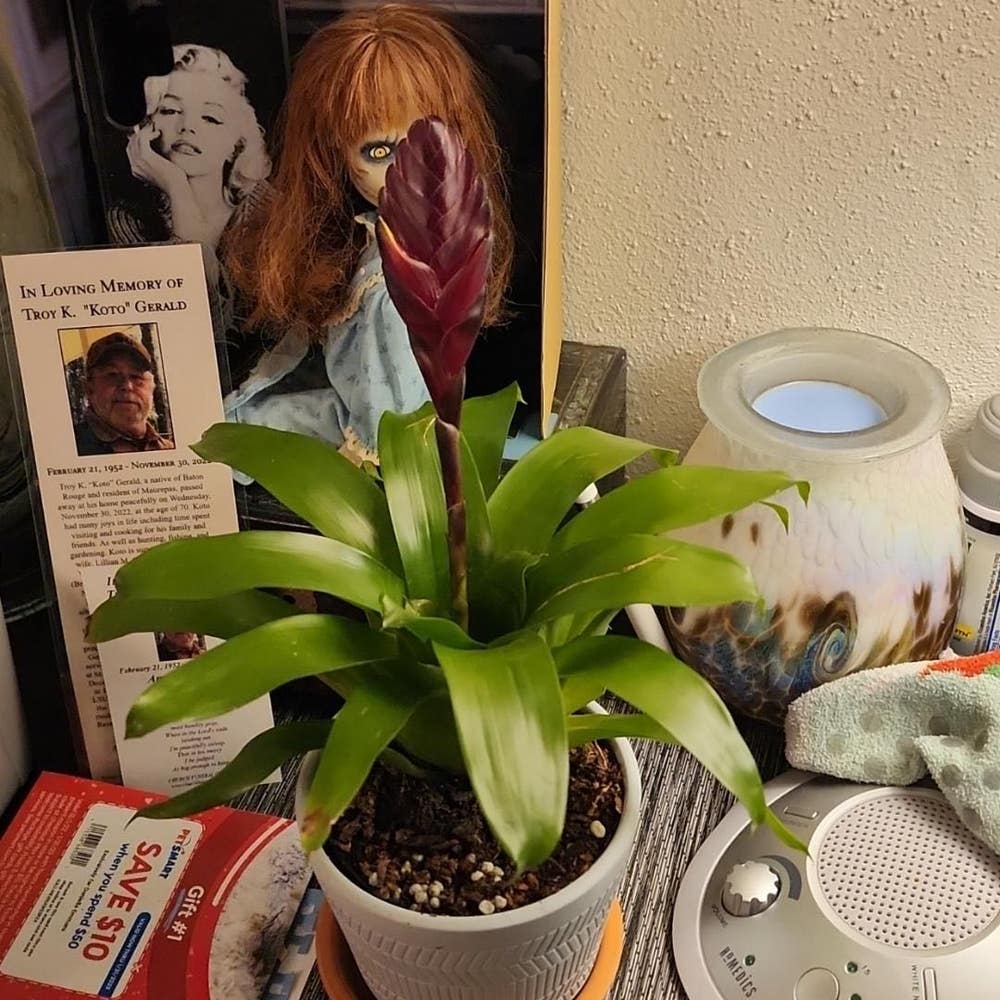
Best Fertilizer for Your Vriesea 'Godzilla x Kiwi Blonde'
Vriesea 'Godzila'
By the Greg Editorial Team
Jul 21, 2024•5 min read
This article was created with the help of AI so we can cover more plants for you. May contain errors. See one? Report it here.
- 🌱 Specific nutrients are key for Vriesea 'Godzilla x Kiwi Blonde' health and growth.
- 📅 Timing matters: Adjust fertilization with growth stages and seasons.
- 💐 For better blooms, focus on phosphorus and potassium during flowering.
Fertilizer Fundamentals
🌿 Nutrient Profile
Vriesea 'Godzilla x Kiwi Blonde' flourishes with a specific nutrient mix. Here's what it craves:
- Nitrogen (N): For lush, green leaves.
- Phosphorus (P): For robust root development and vibrant blooms.
- Potassium (K): For overall plant health and disease resistance.
- Micronutrients: Such as iron and magnesium, for balanced growth.
🌱 Fertilizer Types
Selecting the right fertilizer is like choosing the best fuel for a high-performance engine. Consider these options:
- Liquid Fertilizers: Quick-acting, perfect for a rapid nutrient boost. Requires frequent application.
- Slow-Release Fertilizers: Nutrients are released over time, reducing the need for constant care.
- Controlled-Release Nitrogen: Ideal for sustained growth without the risk of over-fertilization.
- Organic Options: These often include beneficial microbes that enhance soil health and plant resilience.
Remember, a balanced NPK ratio is key, and always conduct a soil test before deciding on your fertilization plan.
Fertilization Techniques
🌿 Application Methods
Applying fertilizer to your Vriesea 'Godzilla x Kiwi Blonde' is like giving it a gourmet meal; it's all about the right ingredients and presentation. Here's how to do it right:
- Water your plant one to two days before fertilizing to prepare the soil.
- Choose a liquid fertilizer for easy dilution and even distribution.
- Mix the fertilizer to half-strength to avoid nutrient burn, using a syringe or measuring cup for accuracy.
- Apply the diluted fertilizer directly to the soil, steering clear of the leaves to prevent potential damage.
- Opt for morning applications when the plant is most receptive.
- Follow up with a thorough watering to help the nutrients travel down to the roots.
💧 Dosage and Dilution
Getting the dosage and dilution right is crucial; it's the difference between a balanced diet and overindulgence for your plant. Here's the breakdown:
- Start with half the recommended dosage on the fertilizer package to prevent root burn.
- Dilute liquid fertilizer as directed, aiming for a gentle nutrient boost.
- If using granular fertilizer, sprinkle it around the root zone and lightly mix it into the soil.
- Always water after applying granular fertilizer to kickstart nutrient release.
- Observe your plant's response and adjust the dosage accordingly in subsequent applications.
Fertilization Timing
Growth Stage Schedule
Fertilizing your Vriesea 'Godzilla x Kiwi Blonde' aligns with its growth stages. Here's what to keep in mind:
- Spring: As new growth emerges, begin your fertilization routine. This is the plant's growth phase, so it's eager for nutrients.
- Summer: Continue with regular feedings as the plant maintains its growth momentum.
- Fall: Start to reduce the frequency as growth slows down.
- Winter: Hold off on fertilizing. This is the plant's rest period, and it needs fewer nutrients.
🌱 Seasonal Adjustments
Seasonal changes can affect how your plant absorbs nutrients. Adjust your fertilization practices accordingly:
- Temperature Shifts: If it's unusually hot or cold, your plant may not be able to process nutrients well. Wait for more stable conditions.
- Light Levels: More light typically means more growth. If your plant is getting less light in the winter, it won't need as much fertilizer.
- Humidity: Vriesea 'Godzilla x Kiwi Blonde' thrives in humidity. Dry air might slow growth, signaling a need to ease up on fertilizing.
Remember, observing your plant's response after fertilizing is key to adjusting your schedule for optimal health and growth.
Enhancing Blooms
🌸 Bloom-Boosting Nutrients
To coax your Vriesea 'Godzilla x Kiwi Blonde' into showcasing its stunning blooms, it's essential to serve up a nutrient-rich feast. Here's what to put on the menu:
- Phosphorus: The star player for bud formation. Think of it as the plant's personal blooming agent.
- Potassium: This unsung hero bolsters the plant's overall health, ensuring it has the stamina to support those gorgeous flowers.
- Micronutrients: The supporting cast includes elements like Boron, Copper, and Zinc, which, although needed in smaller quantities, are vital for a full floral display.
Remember, while nitrogen is crucial for leaf growth, an excess can lead to all leaves and no blooms. Balance is key.
💐 Fertilizer Adjustments for Flowering
When your Vriesea 'Godzilla x Kiwi Blonde' enters the spotlight of its flowering stage, it's time to tweak your fertilization routine:
- Switch to a Bloom Booster: Opt for a fertilizer with a higher phosphorus ratio, such as a 10-30-20 NPK formulation, to encourage those blooms.
- Mind the Timing: Apply these bloom enhancers as the first hints of buds appear, aligning with the plant's natural rhythm.
- Dilution is Crucial: A concentrated dose might seem like a good idea, but it's the equivalent of overfeeding. Instead, use a diluted solution to prevent nutrient burn and salt build-up.
- Less is More: Over-fertilization can be detrimental. If your plant is already in a phosphorus-rich soil, additional phosphorus might not only be unnecessary but could also inhibit the absorption of other nutrients.
By fine-tuning your fertilization approach, you'll set the stage for your Vriesea 'Godzilla x Kiwi Blonde' to unfurl its floral finery.
Fertilization Assessment
Recognizing Success
- Look for vibrant foliage and steady growth as indicators that your Vriesea 'Godzilla x Kiwi Blonde' is getting the nutrients it needs.
- A flourishing plant will have strong, upright leaves and may show signs of new leaves or pups forming at its base.
🚩 Correcting Imbalances
- Yellowing leaves or a halt in growth could signal a nutrient deficiency or over-fertilization.
- Conduct a soil test to check nutrient levels and adjust your fertilization plan accordingly.
- If you suspect over-fertilization, flush the soil with water to remove excess salts and hold off on further feeding until the plant recovers.
- Prune any damaged foliage and wait for signs of new growth before resuming fertilization at a reduced rate.
⚠️ Safety First
This content is for general information and may contain errors, omissions, or outdated details. It is not medical, veterinary advice, or an endorsement of therapeutic claims.
Always consult a qualified healthcare professional before using any plant as food, medicine, or supplement.
Never eat any plant (or feed one to pets) without confirming its identity with at least two trusted sources.
If you suspect poisoning, call Poison Control (800) 222-1222, the Pet Poison Helpline (800) 213-6680, or your local emergency service immediately.
Spotted an error? Please report it here.
Achieve vibrant growth 🌱 in your Vriesea 'Godzilla x Kiwi Blonde' by using Greg to tailor your fertilizing schedule to your plant's unique needs.