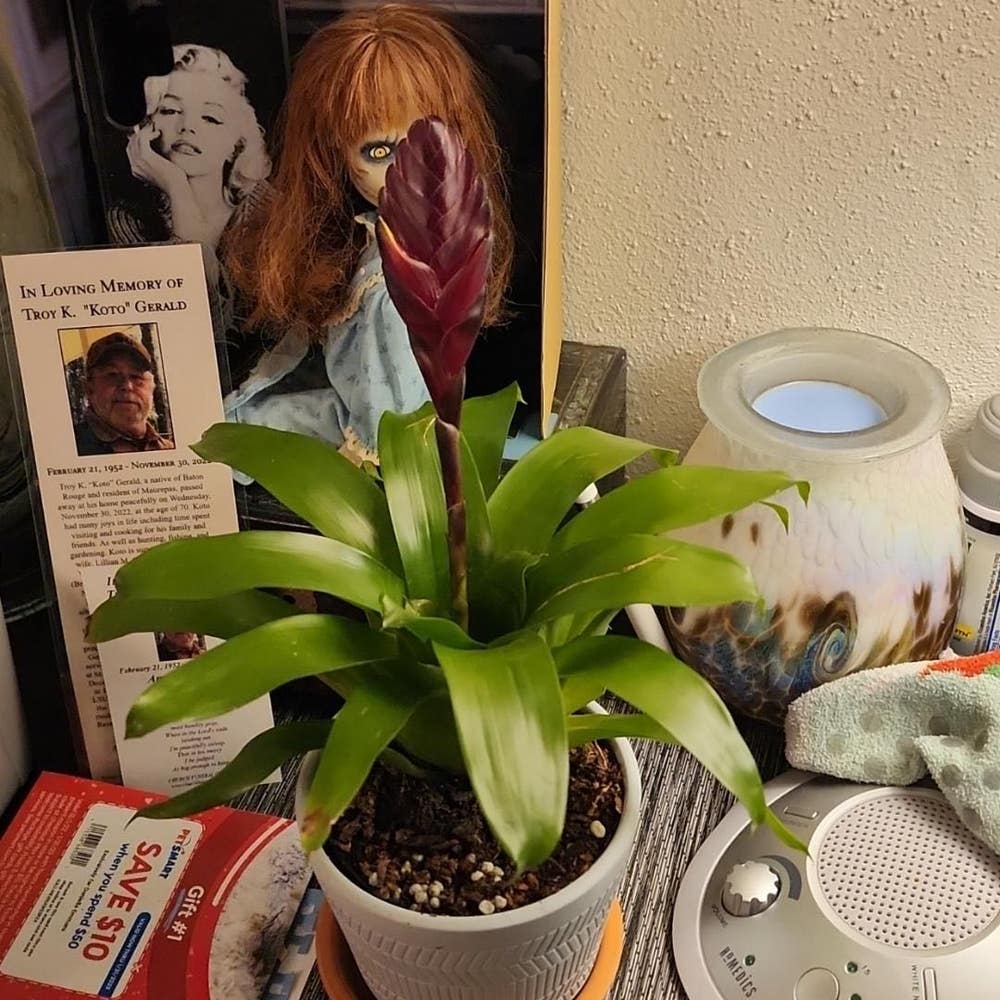
How Should Vriesea 'Godzilla x Kiwi Blonde' Be Cut Back?
Vriesea 'Godzila'
By the Greg Editorial Team
Apr 17, 2024•3 min read
This article was created with the help of AI so we can cover more plants for you. May contain errors. See one? Report it here.
- Spring pruning sets up Vriesea 'Godzilla x Kiwi Blonde' for spectacular blooms.
- 🌿 Use sharp, clean bypass pruners for healthy cuts and disease prevention.
- Deadhead and trim lightly to encourage growth and maintain plant form.
When to Wield the Shears: Timing Your Pruning
⏰ Seasonal Considerations
Spring is prime time for pruning Vriesea 'Godzilla x Kiwi Blonde'. It's when the plant is gearing up for a growth spurt, making it the ideal time to encourage lush development. Avoid winter pruning; it's the plant's rest period, and cutting back then could do more harm than good.
🌱 Growth and Flowering Cycles
Pruning should sync with the plant's growth and flowering cycles for optimal health and display. Before the growing season is a sweet spot, setting the stage for a spectacular bloom show. Regular, light trimming during the active growth phase keeps the plant in top form and encourages a full, vibrant appearance.
The Right Cut: Pruning Techniques
🛠️ Tools of the Trade
Pruning your Vriesea 'Godzilla x Kiwi Blonde' starts with the right tools. Bypass pruners are your best bet, offering clean cuts without crushing plant tissues. Keep them sharp; a sharpening stone does wonders. And cleanliness? Non-negotiable. Wipe blades with alcohol after each snip to prevent disease spread.
💐 Deadheading for More Blooms
Deadheading isn't just a chore; it's a bloom booster. Snip off those tired, spent flowers to redirect energy to new growth. Aim for just above the leaf node—that's where the next contenders will sprout.
✂️ Trimming Tactics
Spotting dead or damaged foliage is your cue to trim. Make your cuts precise, about 1/4 inch above healthy buds. It's like giving your plant a fresh start, minus the dead weight.
🌳 Sculpting Your Plant
Shaping is an art. Trim denser areas for balance, but remember the golden rule: never more than 25% at a time. You're aiming for a refresh, not a plant panic. Afterward, clean your tools again—it's the equivalent of post-meal dental hygiene for your plant's health.
Post-Pruning TLC: Ensuring a Speedy Recovery
🩹 Healing the Wounds
After pruning your Vriesea 'Godzilla x Kiwi Blonde', skip the sealants. Old-school methods like applying tar can do more harm than good. Instead, trust in the plant's natural healing abilities. Ensure your cuts are clean and precise, using sterilized tools to minimize the risk of infection.
👀 Watching for New Growth
Post-trim vigilance is key. New growth is the green light that your plant is on the mend. But keep an eye out for any signs of distress, such as yellowing or wilting leaves. Adjust care promptly if needed. Remember, it's not just about bouncing back—it's about thriving. Keep the soil on the drier side of moist and provide your plant with bright, indirect light, creating the perfect environment for recovery.
Pruning Pitfalls: Common Mistakes to Avoid
🌱 Over-pruning and Under-pruning
Over-pruning can be as detrimental as a bad haircut; it's not just about aesthetics but the plant's health. Stripping too much foliage can stress the plant, potentially stunting growth and inviting disease. Conversely, under-pruning can lead to a congested plant that struggles for light and air, becoming a haven for pests. The key is to find a balance—remove just enough to promote healthy growth without leaving the plant vulnerable.
🪒 Incorrect Cuts
Precision is paramount when making cuts. Think of it as surgery for your plant; every incision must be clean and at the correct location to avoid unnecessary harm. Avoid dull blades—they're the enemy of a swift recovery, causing jagged wounds that heal poorly. Instead, use sharp, clean tools for a clean cut that promotes quick healing. Remember, a cut too close can damage the bud, while a cut too far can leave unsightly stubs that invite disease.
⚠️ Safety First
This content is for general information and may contain errors, omissions, or outdated details. It is not medical, veterinary advice, or an endorsement of therapeutic claims.
Always consult a qualified healthcare professional before using any plant as food, medicine, or supplement.
Never eat any plant (or feed one to pets) without confirming its identity with at least two trusted sources.
If you suspect poisoning, call Poison Control (800) 222-1222, the Pet Poison Helpline (800) 213-6680, or your local emergency service immediately.
Spotted an error? Please report it here.
Prune your Vriesea 'Godzilla x Kiwi Blonde' for a spectacular bloom 🌸 with Greg's custom reminders and clean-cut tips, ensuring a healthy and vibrant spring growth.