🌼 How Fast Your Transvaal Daisy Will Grow
Gerbera L.
By the Greg Editorial Team
Nov 06, 2024•6 min read
This article was created with the help of AI so we can cover more plants for you. May contain errors. See one? Report it here.
- 🌱 Transvaal daisies germinate in 7-14 days with proper temperature and moisture.
- ☀️ Full sunlight for 6-8 hours daily is essential for blooming success.
- 🌼 Healthy plants can bloom in 10-12 weeks after germination with care.
Germination Stage
Duration of Germination Period 🌱
The germination period for Transvaal daisies typically spans 7 to 14 days. However, several factors can influence how quickly your seeds sprout.
Factors Influencing Germination Speed 🌡️
Temperature plays a crucial role, with an optimal range of 20°C to 25°C (68°F to 77°F) being ideal for germination. Additionally, maintaining consistent moisture is vital; ensure the soil is moist but not waterlogged to promote healthy seed development.
Conditions for Successful Germination 🌿
To set your seeds up for success, use a well-draining, sterile seed starting mix. This helps prevent diseases and ensures that the seeds have the right environment to thrive.
Light Exposure and Seed Preparation 💡
Provide indirect light during the germination phase to avoid overheating, which can hinder growth. Additionally, consider soaking seeds for 24 hours before planting; this simple step can significantly enhance germination rates.
With the right conditions in place, your Transvaal daisies will be on their way to sprouting and thriving. Next, let’s explore the seedling stage and what to expect as your plants begin to grow.
Seedling Stage
Length of the Seedling Stage 🌱
The seedling stage of your Transvaal Daisy lasts approximately 3-4 weeks. During this time, you'll notice the development of true leaves following the initial cotyledons, which is a key indicator of a healthy seedling.
Key Characteristics of Seedlings 🌿
Seedlings typically reach a height of 2-4 inches, showcasing their growth potential. Their bright green leaves are a clear sign of healthy development, while a robust root system establishes itself beneath the soil, anchoring the plant for future growth.
Monitoring Seedling Health 👀
To ensure your seedlings thrive, keep an eye on their color and size. Healthy seedlings will exhibit vibrant green leaves and steady growth, signaling that they are ready for the next stages of development.
Transitioning to the Next Stage 🚀
As your seedlings flourish, they will soon transition into the vegetative growth stage. This is where the real magic happens, as they begin to grow larger and stronger, preparing for a vibrant future.
Vegetative Growth Stage
Duration of Vegetative Growth 🌱
The vegetative growth stage of your Transvaal Daisy typically lasts between 4 to 8 weeks. This duration can vary based on environmental conditions, such as temperature, light availability, and nutrient levels.
Factors Affecting Duration 🌡️
Temperature plays a crucial role; warmer conditions can accelerate growth. Additionally, adequate light and nutrient supply are essential for optimal development during this stage.
Changes in Plant Structure and Health 🌿
During the vegetative stage, you'll notice significant changes in your plant's structure. Expect larger and more abundant foliage, which indicates healthy growth.
Stem Elongation 📏
As the plant matures, strong, upright stems will develop, supporting the lush foliage. This robust structure is vital for the plant's overall health and ability to withstand environmental stressors.
Overall Plant Health 🌟
Indicators of vigor include bright green leaves and a sturdy appearance. A resilient Transvaal Daisy will thrive, showcasing its potential for vibrant blooms in the next stages of growth.
As your plant progresses through the vegetative stage, it sets the foundation for the flowering stage. Understanding these changes will help you nurture your Transvaal Daisy effectively.
Flowering Stage
⏳ Timeframe for Flowering
The Transvaal Daisy typically takes about 10-12 weeks to produce its first bloom after germination. This timeframe can vary based on several factors, including light exposure and nutrient availability.
🌱 Factors Influencing Flowering Time
To encourage blooming, ensure your daisies receive full sunlight for 6-8 hours daily. Additionally, balanced fertilization during the growth phase is crucial for promoting vibrant flowers.
🌼 Description of Flower Development
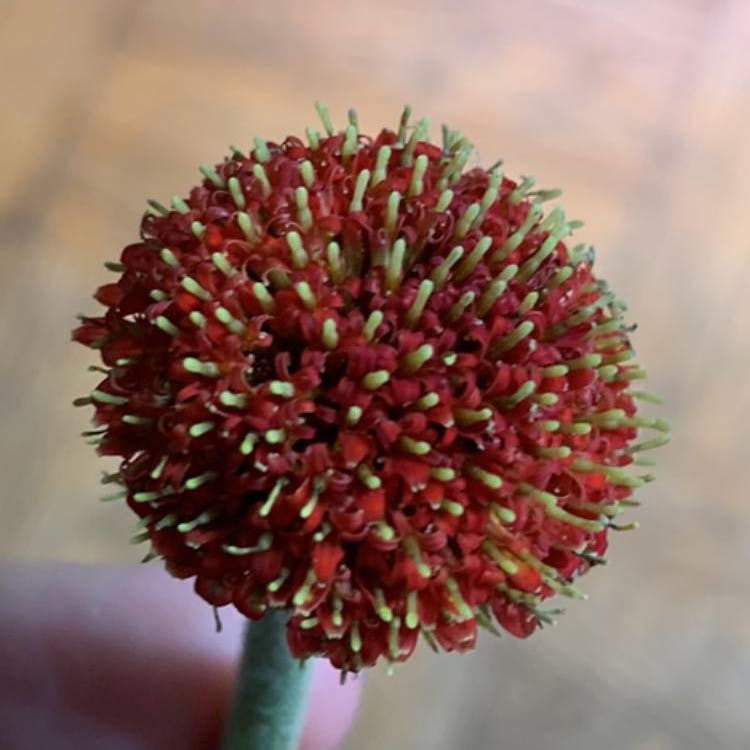
Flower development begins with the formation of small, tightly closed buds. As the blooming process unfolds, these buds gradually open, revealing stunning, vibrant colors that can brighten any garden.
🌸 Lifespan of Blooms
Once fully opened, individual flowers typically last between 1-2 weeks. This short lifespan emphasizes the importance of regular care to ensure continuous blooming throughout the growing season.
The flowering stage is a rewarding time for gardeners, as the beauty of the blooms signals the success of your cultivation efforts. As you enjoy the vibrant display, remember that proper care during this stage will lead to even more blooms in the future.
Next, we will explore the reproductive cycle and seed production of the Transvaal Daisy, highlighting how these flowers contribute to future growth cycles.
Reproductive Cycle and Seed Production
🌱 Duration of the Reproductive Cycle
The reproductive cycle of the Transvaal Daisy kicks off after flowering and typically lasts between 4 to 6 weeks. During this time, several factors come into play, particularly pollination, which relies heavily on insects and wind to facilitate fertilization.
🌼 Process of Seed Production and Dispersal
Once pollination occurs, seeds begin to form within the flower heads. This process is crucial for the plant's lifecycle, as it ensures the continuation of future generations.
- Seed Dispersal Methods: Seeds can disperse naturally through shedding or may even self-seed, allowing new plants to sprout nearby.
- Importance of Seed Production: Successful seed production is vital for maintaining the population of Transvaal Daisies, ensuring they thrive in their environment.
Understanding this reproductive phase not only highlights the resilience of the Transvaal Daisy but also emphasizes the importance of nurturing these plants for ongoing growth cycles. As we transition to the next section, we'll explore the overall lifespan and maturation time of this vibrant flower.
Overall Lifespan and Maturation Time
🌼 Average Lifespan of Transvaal Daisy
The Transvaal Daisy typically lives for about 1-2 years as an annual. In optimal conditions, it can thrive as a perennial, offering vibrant blooms year after year.
Several factors influence its lifespan. Climate plays a crucial role, as does the care you provide, including watering and pest management. Additionally, disease resistance can significantly impact how long your daisy will flourish.
⏳ Factors Affecting Growth Rate and Maturation Time
Environmental conditions are key to the growth rate of your Transvaal Daisy. Temperature, humidity, and light exposure all contribute to how quickly your plant matures.
Soil quality is another critical factor. A nutrient-rich, well-draining soil will support optimal growth and health.
Lastly, care practices matter. Regular watering and balanced fertilization are essential to ensure your daisy progresses through its growth stages smoothly.
Understanding these elements will help you cultivate a thriving Transvaal Daisy, enhancing your gardening experience. As you nurture your plant, you'll witness its journey from seedling to bloom, making every moment rewarding.
⚠️ Safety First
This content is for general information and may contain errors, omissions, or outdated details. It is not medical, veterinary advice, or an endorsement of therapeutic claims.
Always consult a qualified healthcare professional before using any plant as food, medicine, or supplement.
Never eat any plant (or feed one to pets) without confirming its identity with at least two trusted sources.
If you suspect poisoning, call Poison Control (800) 222-1222, the Pet Poison Helpline (800) 213-6680, or your local emergency service immediately.
Spotted an error? Please report it here.
Unlock vibrant blooms with your Transvaal daisies 🌼 by using Greg's personalized care tips and watering reminders to ensure they thrive at every growth stage!