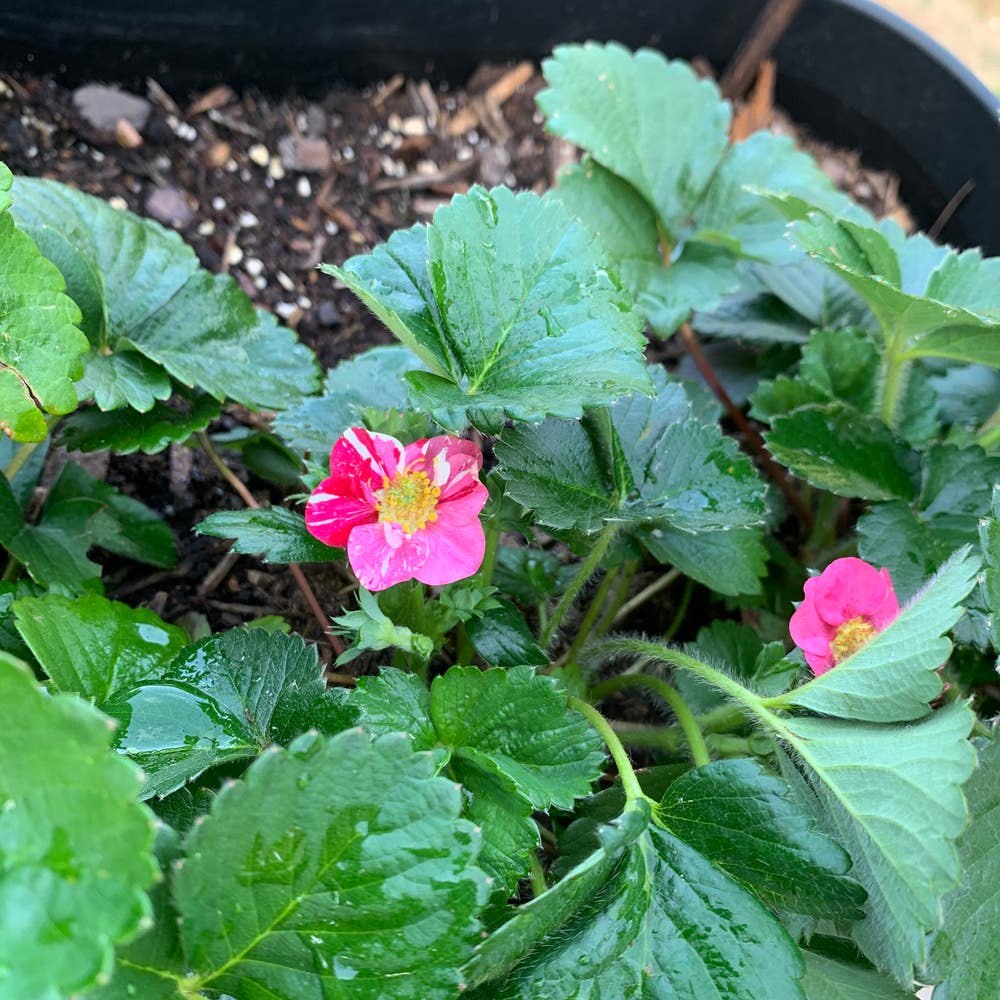
Tormentil SOS: Rescue Your Plant from Root Rot 🛟
Potentilla erecta
By the Greg Editorial Team
Oct 15, 2024•4 min read
This article was created with the help of AI so we can cover more plants for you. May contain errors. See one? Report it here.
Protect your plants from root rot with vital tips for detection, treatment, and prevention! 🌿
- 🌱 Recognize root rot symptoms: Yellow leaves and mushy roots signal urgent care needed.
- ✂️ Trim decayed roots: Use sterilized scissors to prevent further spread of rot.
- 🌿 Repot with well-draining soil: Ensure roots are spread evenly for optimal recovery.
Identifying Root Rot Symptoms
👀 Visual signs of root rot
Root rot can be a silent killer for your plants. Look out for yellowing leaves, which often indicate stress and poor nutrient uptake.
Another red flag is wilting, even when you’ve watered adequately. This is a key symptom of root rot that shouldn’t be ignored.
Finally, if you inspect the roots and find dark, mushy areas, it’s a clear sign of decay. These visual cues are crucial for early detection.
🔍 How to check roots for rot
To check for root rot, start by gently removing the plant from its pot. This step is essential for a thorough inspection.
Next, take a close look at the root system's color and texture. Healthy roots should be firm and white, while blackened or mushy roots indicate rot.
⚠️ Distinguishing root rot from other plant issues
It’s important to differentiate root rot from other plant problems. Symptoms can overlap with nutrient deficiencies, so pay attention to the specifics.
Additionally, look for signs of pest damage. Unlike root rot, pests often leave visible marks on leaves and stems, helping you pinpoint the issue.
By understanding these symptoms and distinctions, you can take action before it’s too late. Now that you know how to identify root rot, let’s explore how to treat it effectively.
Treating Root Rot
Step-by-step treatment process 🌱
Treating root rot requires a careful approach to save your plant. Start by removing the plant from its pot and inspecting the roots for any signs of decay.
Next, trim away any affected roots using sterilized scissors. This step is crucial to prevent the spread of rot.
Prepare a new pot with well-draining soil. This will provide a fresh environment for your plant to recover.
When replanting, ensure the roots are spread out evenly in the new soil. This helps the plant establish itself more effectively.
Finally, water lightly and allow the soil to dry before the next watering. Overwatering can exacerbate the problem, so be cautious.
Recommended fungicides or treatments 🧪
In addition to the physical treatment, consider using systemic fungicides. Options like azoxystrobin or propiconazole can help combat any lingering pathogens.
For those preferring natural remedies, neem oil or cinnamon can serve as effective antifungal treatments. Both options are gentle yet powerful in promoting recovery.
Importance of repotting and soil replacement 🌍
Repotting is essential for your plant's health. Fresh soil reduces the pathogen load and improves drainage, creating a healthier environment.
Choosing the best soil is equally important. Opt for well-draining options like sandy loam or a quality potting mix to support your plant's recovery.
By following these steps, you can give your plant a fighting chance against root rot. Next, let’s explore how to prevent root rot from occurring in the first place.
Preventing Root Rot
🌊 Best Practices for Watering
Watering your plants correctly is crucial to prevent root rot. Always allow the soil to dry out between waterings; this helps maintain a healthy balance of moisture.
Adjust your watering frequency based on the season and environmental conditions. In warmer months, your plants may need more water, while in winter, they typically require less.
🧱 Soil Selection and Drainage Solutions
Choosing the right soil is essential for preventing root rot. Always use pots with drainage holes to allow excess water to escape.
Consider adding perlite or sand to your potting mix. These materials improve soil aeration, ensuring that roots have access to oxygen and reducing the risk of rot.
📅 Seasonal Care Tips to Avoid Root Rot
Adjust your watering schedule during winter months. Plants often enter a dormant phase, so reducing watering frequency can help prevent over-saturation.
Keep an eye on environmental conditions, such as humidity and temperature. Ensuring your plants are in a suitable environment can significantly reduce the chances of root rot.
By implementing these preventive measures, you can create a thriving environment for your plants. Next, let’s explore how to monitor plant health effectively to catch any issues early.
Monitoring Plant Health
🌱 Regular Checks for Root Health
To keep your plant thriving, conduct monthly inspections for signs of stress or rot. Gently lift the plant from its pot to check the roots without causing damage.
🌿 Signs of Recovery from Root Rot
Look for new growth as a positive indicator of recovery. Healthy leaves and stems signal that your plant is bouncing back, while a transition from dark, mushy roots to vibrant white or tan roots shows improvement.
🛠️ Long-Term Care Strategies
Maintaining optimal growing conditions is crucial for your plant's health. Regularly check soil moisture and drainage to ensure your plant thrives.
Adjust your care based on how your plant responds. Tailor your watering and feeding schedules to meet its specific needs, promoting a healthy, resilient plant.
By staying vigilant and responsive, you can help your plant flourish and prevent future issues. Next, let’s explore effective strategies for preventing root rot in the first place.
⚠️ Safety First
This content is for general information and may contain errors, omissions, or outdated details. It is not medical, veterinary advice, or an endorsement of therapeutic claims.
Always consult a qualified healthcare professional before using any plant as food, medicine, or supplement.
Never eat any plant (or feed one to pets) without confirming its identity with at least two trusted sources.
If you suspect poisoning, call Poison Control (800) 222-1222, the Pet Poison Helpline (800) 213-6680, or your local emergency service immediately.
Spotted an error? Please report it here.
Revive your tormentil from root rot with early detection and Greg's tailored care tips, ensuring your plant flourishes 🌿 while you stay one step ahead of potential issues!