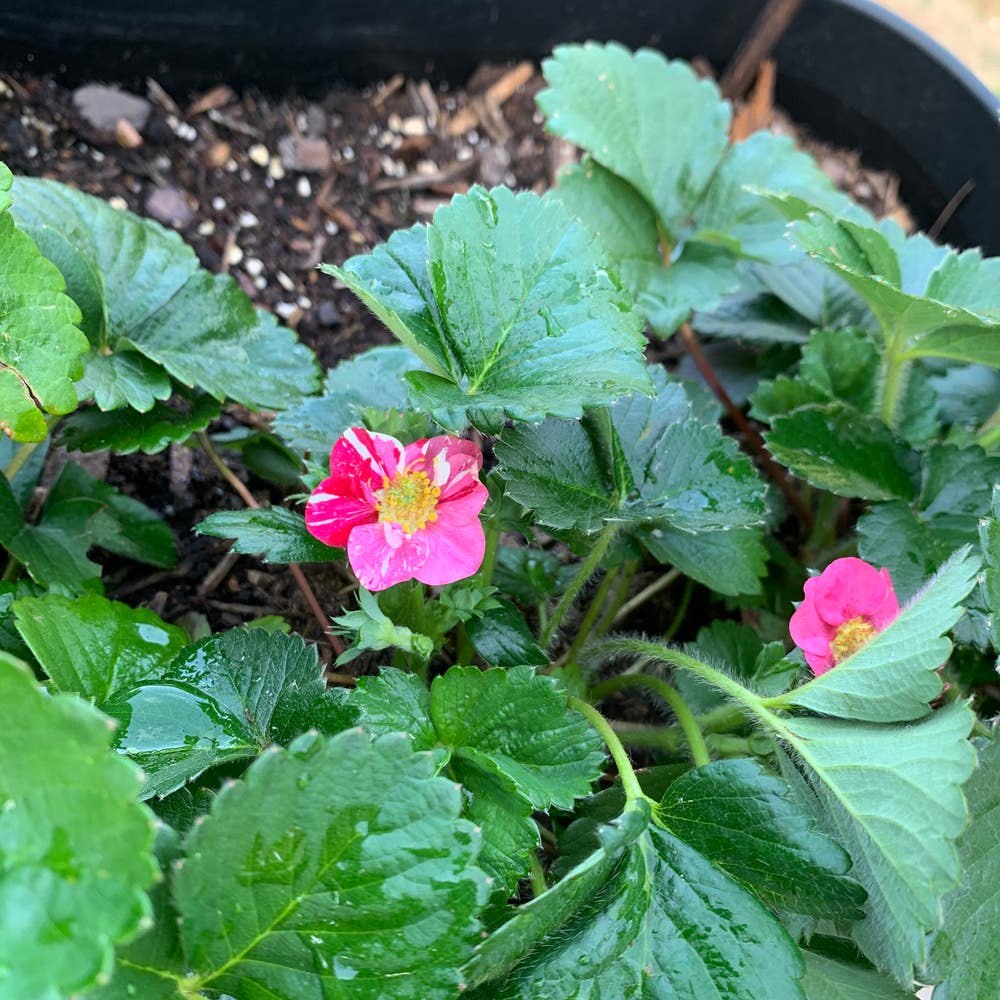
When and Where to Cut Back Your Potentilla erecta ✂️
Potentilla erecta
By the Greg Editorial Team
Jan 06, 2025•4 min read
This article was created with the help of AI so we can cover more plants for you. May contain errors. See one? Report it here.
Unlock vibrant blooms 🌼 and a thriving garden by mastering the essential pruning techniques for your Potentilla erecta!
- 🌱 Prune Potentilla erecta in early spring for optimal growth before new shoots emerge.
- ✂️ Regular deadheading every 2-3 weeks boosts blooms and keeps plants vibrant.
- 🍂 Late fall pruning prepares plants for winter, removing spent flowers and weak stems.
When to Prune
Best Time for Spring Pruning 🌱
Early spring is the prime time for pruning your Potentilla erecta. This is just before new growth begins, making it the perfect moment to remove any dead or damaged stems.
Pruning at this time not only clears away the old but also promotes vigorous growth. Look for signs like swelling buds and emerging new growth to know when to get started.
Timing for Summer and Fall Pruning ☀️🍂
Summer Pruning 🌼
After the first bloom cycle, typically in mid-summer, it's time for summer pruning. This helps encourage a second bloom and keeps your plant looking well-shaped.
Fall Pruning 🍁
Late fall, after the flowering has ceased, is the right time for fall pruning. This step prepares your Potentilla for winter by removing spent flowers and weak stems, ensuring it comes back strong in the spring.
By following these seasonal guidelines, you can keep your Potentilla erecta healthy and thriving throughout the year. Next, let’s explore where to cut back for optimal growth.
Where to Cut Back
🌿 Identifying the Right Stems to Cut
When pruning your Potentilla erecta, focus on three key areas. First, cut back any dead or damaged stems to healthy tissue to promote overall plant health.
Next, address overcrowded areas by thinning out stems. This improves air circulation, reducing the risk of disease and encouraging robust growth.
Lastly, remove spent flower stems. This simple act encourages new growth and keeps your plant looking fresh and vibrant.
✂️ Techniques for Cutting Back
Using the right techniques is crucial for effective pruning. Always make clean cuts at a 45-degree angle to minimize damage and promote healing.
For rejuvenation pruning, trim back to a height of 6-12 inches above the ground. This encourages new growth while maintaining the plant's structure.
Be cautious not to over-prune. Aim to maintain at least one-third of the plant's height to ensure it remains healthy and vigorous.
With these strategies, your Potentilla erecta will thrive, showcasing beautiful blooms and a well-maintained shape. Next, let's explore the importance of deadheading for continuous flowering.
Deadheading
🌼 Importance of Deadheading for Flowering
Deadheading is crucial for keeping your Potentilla erecta blooming beautifully. By removing spent flowers, you not only prevent seed formation but also encourage the plant to produce more vibrant blooms throughout the season.
This simple practice enhances the overall aesthetics of your garden. A well-deadheaded plant looks healthier and more inviting, making your outdoor space even more enjoyable.
✂️ Step-by-Step Deadheading Instructions
Deadheading is easy and can be done in just a few steps:
Identify spent flowers: Look for wilted or brown blooms that have finished their display.
Use pruning shears: Cut the stem just above the first set of healthy leaves to promote new growth.
Frequency: Aim to deadhead every 2-3 weeks during the blooming season for optimal results.
By following these steps, you’ll keep your Potentilla erecta thriving and full of life. This small effort can lead to a more colorful and lively garden, making it well worth your time.
As you embrace deadheading, you’ll notice how it transforms your plant's performance and appearance. Now, let’s explore some common pruning mistakes to avoid for a healthier garden.
Common Pruning Mistakes
Avoiding Over-Pruning 🌿
Pruning is essential for the health of your Potentilla erecta, but overdoing it can backfire. Excessive cuts can lead to stress, reduced flowering, and stunted growth.
To keep your plant thriving, remember this guideline: never remove more than one-third of the plant at a time. This approach helps maintain its vigor and ensures a robust blooming season.
Recognizing Signs of Stress 😟
Even with careful pruning, your plant might show signs of distress. Look out for symptoms like wilting, yellowing leaves, and reduced flowering.
If you notice these issues, it’s time to reassess your pruning techniques. Adjust your care practices to help your Potentilla recover and flourish once again.
As you navigate the pruning process, keep these tips in mind to foster a healthy, vibrant garden. Next, let’s explore the importance of deadheading for continuous blooming.
⚠️ Safety First
This content is for general information and may contain errors, omissions, or outdated details. It is not medical, veterinary advice, or an endorsement of therapeutic claims.
Always consult a qualified healthcare professional before using any plant as food, medicine, or supplement.
Never eat any plant (or feed one to pets) without confirming its identity with at least two trusted sources.
If you suspect poisoning, call Poison Control (800) 222-1222, the Pet Poison Helpline (800) 213-6680, or your local emergency service immediately.
Spotted an error? Please report it here.
Keep your Potentilla erecta thriving all year 🌼 with Greg's tailored pruning reminders that ensure you never miss the perfect time to enhance your garden's beauty!