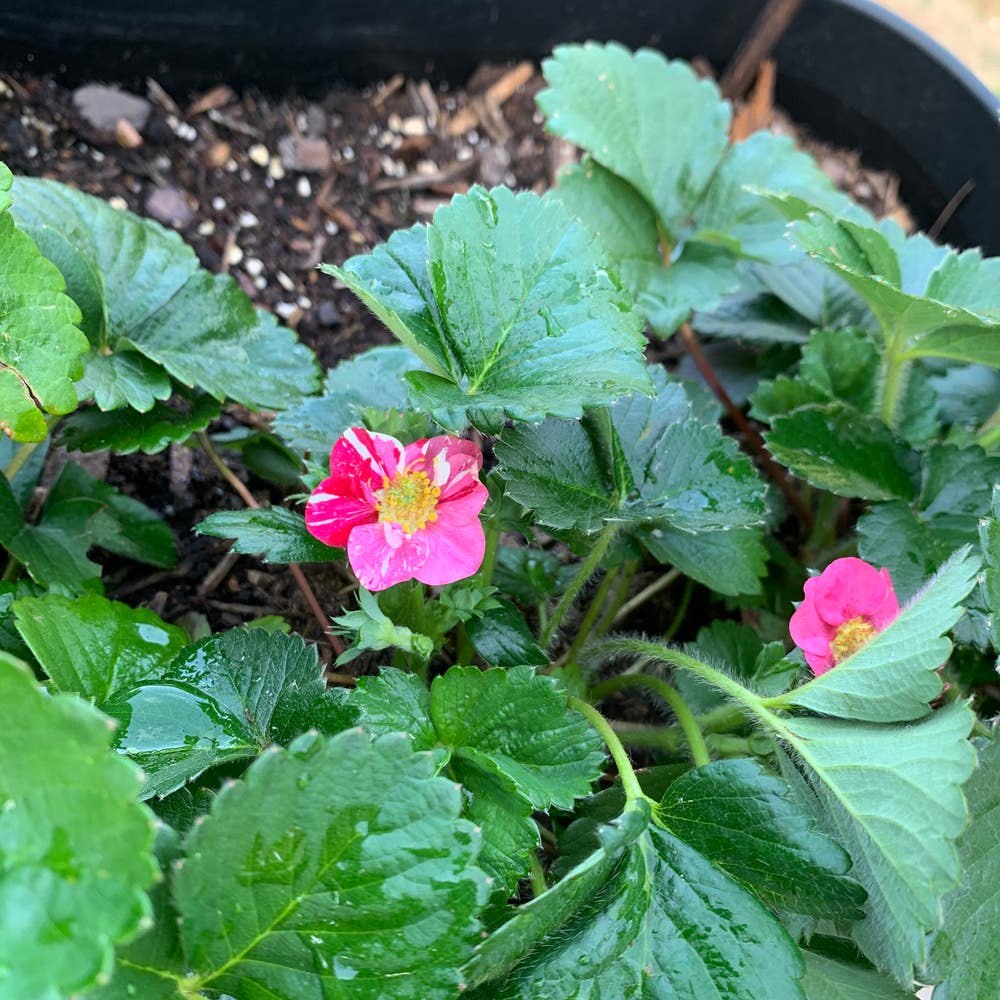
What to Do About Dropping Leaves on Your Potentilla erecta 🍂
Potentilla erecta
By the Greg Editorial Team
Jan 06, 2025•8 min read
This article was created with the help of AI so we can cover more plants for you. May contain errors. See one? Report it here.
Transform your Potentilla erecta into a thriving beauty 🌱 by mastering essential care techniques to prevent leaf drop!
- 💧 Overwatering and underwatering both cause leaf drop in Potentilla erecta.
- 🌱 Nutrient deficiencies lead to stunted growth; regular soil testing is essential.
- 🐛 Pests and fungal diseases stress plants; monitor regularly for early intervention.
Causes of Leaf Drop
💧 Overwatering and its effects
Overwatering is a common issue that can lead to significant problems for your Potentilla erecta. Symptoms include yellowing leaves, wilting, and even root rot, which ultimately results in poor root health and leaf drop.
To prevent this, ensure your soil is well-drained. Waterlogging can suffocate roots, so it's crucial to monitor soil moisture levels regularly.
🚰 Underwatering and its effects
On the flip side, underwatering can also cause distress to your plant. Look for crispy, brown leaf edges and drooping leaves as indicators of insufficient moisture.
When your plant is thirsty, it experiences stress that can lead to leaf drop. To avoid this, employ techniques like using a moisture meter or simply sticking your finger into the soil to assess moisture levels.
🥦 Nutrient deficiencies and their impact
Nutrient deficiencies can wreak havoc on your Potentilla erecta's health. Common culprits include nitrogen, potassium, and magnesium, which can cause stunted growth, pale leaves, and ultimately, leaf drop.
Soil testing is essential for identifying nutrient levels. Regularly check your soil to ensure your plant receives the nutrients it needs to thrive.
🐜 Pest infestations
Pests like aphids and spider mites can be a significant threat to your plant's well-being. Signs of infestation include discoloration, webbing, and visible insects on the leaves.
These pests can stress your plant and even transmit diseases. Regular inspections can help catch infestations early, allowing you to take action before significant damage occurs.
🍄 Fungal diseases
Fungal diseases, such as root rot and powdery mildew, can lead to severe health issues for your Potentilla erecta. Symptoms often include wilting, leaf spots, and an overall decline in plant health.
To prevent these problems, focus on maintaining proper air circulation and moisture management. Avoid overhead watering and ensure your plant has enough space to breathe.
Understanding these causes of leaf drop is crucial for maintaining a healthy Potentilla erecta. By addressing these issues proactively, you can keep your plant thriving and vibrant.
Diagnosing Leaf Drop Issues
🌊 Identifying symptoms of overwatering
Overwatering can be a sneaky culprit behind leaf drop. Look for visual indicators like yellowing leaves, mushy stems, and saturated soil.
To confirm overwatering, check the root health by gently removing the plant from its pot. Assess the soil moisture levels to ensure they aren't excessively high.
💧 Recognizing signs of underwatering
Underwatering presents its own set of challenges. Watch for dry, crispy leaves and drooping stems, which signal that your plant is thirsty.
To confirm underwatering, assess the soil dryness by sticking your finger into the soil. If it feels bone dry, your plant is likely in distress.
🐛 Checking for pests
Pests can wreak havoc on your Potentilla erecta. Inspect the undersides of leaves and at stem joints for any signs of unwanted visitors.
Use tools like a magnifying glass for a closer look and sticky traps to catch any flying pests. Early detection is key to preventing further damage.
🥦 Diagnosing nutrient deficiencies
Nutrient deficiencies can lead to poor plant health and leaf drop. Look for visual symptoms such as leaf discoloration and unusual growth patterns.
To diagnose nutrient issues, consider using soil testing kits. These kits can help you analyze nutrient levels and determine what your plant might be lacking.
🍄 Identifying fungal infections
Fungal infections can be tricky but are often visible. Symptoms include leaf spots, wilting, and powdery residues on leaves.
To confirm a fungal infection, check the root health and moisture levels. Ensuring proper air circulation can also help prevent these issues from escalating.
By diagnosing these leaf drop issues effectively, you can take the necessary steps to restore your Potentilla erecta's health. Next, let’s explore how to prevent these problems from occurring in the first place.
Preventing Leaf Drop
🌊 Best watering practices
To keep your Potentilla erecta healthy, it's crucial to allow the soil to dry out between waterings. This practice prevents overwatering, which can lead to root rot and subsequent leaf drop.
Deep watering is an effective technique to encourage robust root growth. Water thoroughly until it drains from the bottom, ensuring the roots reach deep into the soil for moisture.
🏺 Soil requirements and amendments
The ideal soil composition for your Potentilla erecta is well-draining with a slightly acidic to neutral pH. This balance helps prevent waterlogging and promotes healthy root development.
Consider adding organic matter and perlite to improve drainage. These amendments enhance soil structure, allowing roots to breathe and absorb nutrients efficiently.
🗓️ Fertilization schedule and types
Fertilizing your plant every 4-6 weeks during the growing season is recommended. This regular feeding supports growth and helps prevent nutrient deficiencies that can lead to leaf drop.
Use balanced NPK fertilizers or organic options to provide essential nutrients. Tailoring your fertilization approach can significantly impact the overall health of your plant.
🐞 Pest prevention strategies
Regular monitoring is key to catching pests early. Inspect your plants frequently for any signs of infestation, such as discoloration or webbing.
Companion planting can also be a smart strategy. By incorporating plants that naturally deter pests, you can create a healthier environment for your Potentilla erecta.
🌱 Environmental conditions for optimal growth
For optimal growth, your Potentilla erecta thrives in full sun to partial shade, ideally receiving 6-8 hours of sunlight daily. This exposure supports vibrant foliage and flowering.
Maintaining moderate temperature and humidity conditions is equally important. These factors contribute to your plant's overall health and resilience against stressors.
By implementing these preventive measures, you can significantly reduce the risk of leaf drop in your Potentilla erecta. Next, let’s explore how to diagnose any leaf drop issues effectively.
Treating Leaf Drop Problems
🌊 Steps for Overwatered Plants
Assess root health: Carefully remove the plant from its pot and inspect the roots for signs of rot. Healthy roots should be firm and white, while rotten roots will appear brown and mushy.
Adjust watering schedule: Allow the soil to dry out completely before rewatering. This helps prevent further stress on the plant.
Improve drainage: If necessary, repot the plant in fresh, well-draining soil. This can significantly enhance root health and overall plant vitality.
🌱 Reviving an Underwatered Plant
Water thoroughly: Soak the soil until moisture drains from the bottom of the pot. This ensures that the entire root system receives adequate hydration.
Monitor recovery: Keep an eye out for signs of new growth within a week. New leaves or shoots indicate that the plant is bouncing back.
Adjust routine: Establish a consistent watering schedule based on the plant's moisture needs. Regular checks can help prevent future underwatering.
🐛 Treatment Options for Pests
Organic control methods: Use neem oil or insecticidal soap to manage pest populations effectively. These options are gentle on the plant while being tough on pests.
Physical removal: Hand-pick visible pests or use a strong water spray to dislodge them. Regular inspections can help catch infestations early.
🍄 Managing Fungal Infections
Treatment options: Apply fungicides and improve air circulation around the plant. This helps combat existing infections and promotes healthier growth.
Preventive measures: Avoid overhead watering and ensure proper spacing between plants. These practices reduce humidity around the leaves, minimizing fungal risks.
🌦️ Adjusting Care Based on Seasonal Changes
Seasonal watering adjustments: Reduce watering frequency during cooler months when plants require less moisture. This helps prevent overwatering.
Fertilization changes: Modify fertilization schedules based on the plant's growth cycles. During dormancy, cut back on feeding to align with the plant's natural rhythms.
By following these steps, you can effectively treat leaf drop issues and help your Potentilla erecta thrive. Remember, attentive care is key to maintaining plant health. Next, we’ll explore how to monitor recovery after treatment to ensure your plant is on the right path.
Post-Diagnosis Care
Monitoring recovery after treatment 🌱
After addressing the leaf drop issues, it's crucial to keep a close eye on your Potentilla erecta. Regular check-ins will help you observe how the plant responds to treatment, ensuring you're on the right track.
Look for signs of improvement, such as new growth and healthier leaves. These indicators show that your plant is bouncing back and regaining its vitality.
Adjusting care routines 🔧
As your plant recovers, tailor your watering and fertilization routines to its needs. This means adjusting the frequency and amount of water based on how well the plant is responding.
Additionally, keep an eye on environmental conditions. Changes in temperature or humidity may require further adjustments to ensure your plant thrives.
Long-term care strategies 📅
Establishing a consistent care routine is key to maintaining your plant's health. Regular monitoring and maintenance will help you catch any issues early before they escalate.
Educate yourself on seasonal changes that may affect your Potentilla erecta. Being prepared for environmental shifts will protect your plant and keep it flourishing throughout the year.
With these strategies in place, you can nurture your plant back to health and enjoy its beauty for seasons to come.
⚠️ Safety First
This content is for general information and may contain errors, omissions, or outdated details. It is not medical, veterinary advice, or an endorsement of therapeutic claims.
Always consult a qualified healthcare professional before using any plant as food, medicine, or supplement.
Never eat any plant (or feed one to pets) without confirming its identity with at least two trusted sources.
If you suspect poisoning, call Poison Control (800) 222-1222, the Pet Poison Helpline (800) 213-6680, or your local emergency service immediately.
Spotted an error? Please report it here.
Keep your Potentilla erecta thriving 🌿 by using Greg's tailored watering reminders and expert tips to tackle leaf drop and ensure vibrant growth!