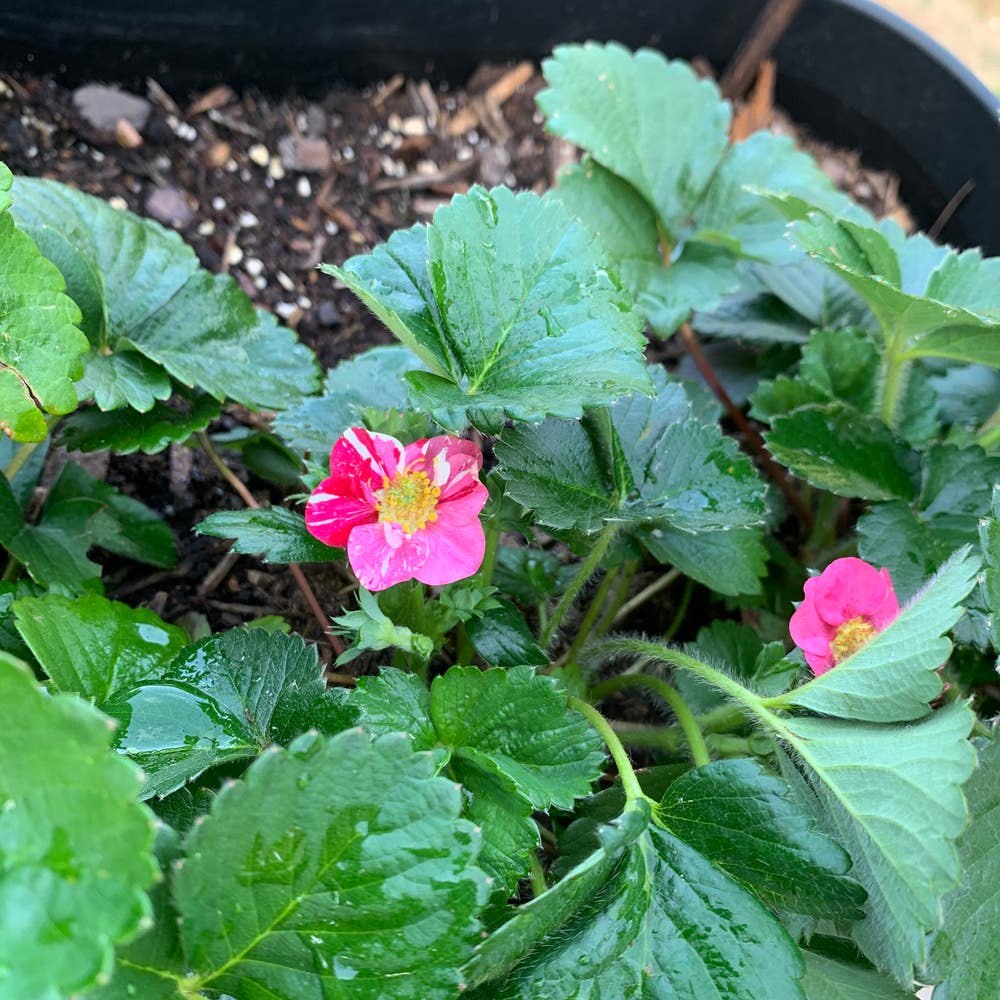
Best Tips for Droopy Leaves on Potentilla erecta 😢
Potentilla erecta
By the Greg Editorial Team
Jan 06, 2025•4 min read
This article was created with the help of AI so we can cover more plants for you. May contain errors. See one? Report it here.
Transform your droopy Potentilla erecta into a thriving beauty 🌿 with these essential care tips for vibrant growth!
- 💧 Overwatering and underwatering are primary causes of droopy leaves in Potentilla erecta.
- 🌱 Soil quality and drainage are crucial for preventing droopiness and root suffocation.
- 🔍 Regular inspections for pests and diseases help maintain the health of your plant.
Common Causes of Droopy Leaves
💧 Overwatering
Overwatering is a common issue that can lead to droopy leaves on your Potentilla erecta. Symptoms include yellowing leaves and mushy roots, indicating that the plant is drowning rather than thriving.
🚰 Underwatering
On the flip side, underwatering can also cause droopiness. If you notice dry, crispy leaves and soil that feels parched several inches down, it’s time to give your plant a drink.
🌪️ Environmental Stress
Environmental factors play a significant role in the health of your plant. Temperature fluctuations and varying humidity levels can stress your Potentilla, leading to droopy leaves as it struggles to adapt.
🌱 Soil Quality
The quality of the soil is crucial for root function. Poor drainage or compacted soil can suffocate roots, preventing them from absorbing the necessary nutrients and water, ultimately causing droopiness.
Understanding these common causes is the first step in reviving your Potentilla erecta. With the right diagnosis, you can move on to effective solutions that will restore your plant's vitality.
Diagnosing the Problem
🚰 Signs of Overwatering vs. Underwatering
Understanding the signs of overwatering and underwatering is crucial for your Potentilla erecta. Overwatering typically manifests as yellowing leaves and mushy roots, indicating that the plant is drowning.
On the other hand, underwatering presents itself through dry, crispy leaves and soil that feels parched several inches down. Recognizing these symptoms early can save your plant from further distress.
🐛 Identifying Pest Infestations
Pests can wreak havoc on your Potentilla erecta, so it's essential to stay vigilant. Common culprits include aphids and spider mites, which can quickly multiply and damage your plant.
To catch these pests early, regularly inspect the undersides of leaves and stems. This proactive approach can help you address infestations before they escalate.
🦠 Recognizing Disease Symptoms
Diseases like root rot and fungal infections can also lead to droopy leaves. Keep an eye out for signs such as wilting, discoloration, or a foul smell from the soil.
Diagnosing these issues involves visual inspections and soil testing for moisture levels. If you notice any concerning symptoms, act quickly to protect your plant's health.
By being attentive to these signs, you can effectively diagnose problems and take the necessary steps to restore your Potentilla erecta's vitality. Next, let's explore some practical solutions for droopy leaves.
Solutions for Droopy Leaves
Adjusting Watering Practices 🌊
To revive your Potentilla erecta, start by adjusting your watering habits. Water the plant when the top inch of soil feels dry, ensuring that the moisture penetrates deeply to reach the roots.
Improving Soil Drainage 🕳️
Next, focus on soil drainage. Use well-draining soil mixes and regularly check the pot's drainage holes to prevent water from pooling at the bottom.
Treating Pests and Diseases 🐛
If pests or diseases are the culprits, take action promptly. For pest control, consider using insecticidal soap or neem oil to eliminate common offenders like aphids and spider mites.
Disease Management ⚠️
For diseases, remove any infected leaves immediately. If necessary, apply fungicides to combat issues like root rot or fungal infections.
By implementing these solutions, you can help your Potentilla erecta regain its vitality and prevent future droopiness. Next, let’s explore some preventative measures to keep your plant healthy and thriving.
Preventative Measures
Best Practices for Care 🌱
To keep your Potentilla erecta thriving, maintaining consistent soil moisture is crucial. Use a balanced fertilizer to provide the nutrients your plant needs for robust growth.
Seasonal Care Tips 🌸
In spring, it's essential to monitor for pests and adjust your watering routine accordingly. As fall approaches, reduce watering to help the plant prepare for dormancy.
Importance of Proper Sunlight Exposure ☀️
Potentilla erecta requires 6-8 hours of sunlight daily to flourish. Be vigilant for signs of leaf scorch, which can occur if the plant receives too much direct sunlight.
By following these preventative measures, you can help ensure your Potentilla erecta remains healthy and vibrant. Next, let’s explore how to monitor and maintain your plant effectively.
Monitoring and Maintenance
🌿 Regular Checks for Leaf Health
Keeping an eye on your Potentilla erecta is essential for its vitality. Aim for weekly inspections to catch any droopy leaves or discoloration early.
🔄 When to Repot or Change Soil
Repotting can be a game-changer for your plant. Look for signs like root-bound conditions or soil degradation, which indicate it's time for a fresh start.
📅 Fertilization Schedule
Timing your fertilization is crucial for healthy growth. Start in early spring and continue every 4-6 weeks during the growing season to keep your plant thriving.
By maintaining a consistent monitoring routine and addressing any issues promptly, you can ensure your Potentilla erecta remains vibrant and healthy. Next, let’s explore some preventative measures to keep those droopy leaves at bay!
⚠️ Safety First
This content is for general information and may contain errors, omissions, or outdated details. It is not medical, veterinary advice, or an endorsement of therapeutic claims.
Always consult a qualified healthcare professional before using any plant as food, medicine, or supplement.
Never eat any plant (or feed one to pets) without confirming its identity with at least two trusted sources.
If you suspect poisoning, call Poison Control (800) 222-1222, the Pet Poison Helpline (800) 213-6680, or your local emergency service immediately.
Spotted an error? Please report it here.
Keep your Potentilla erecta vibrant and droop-free 🌱 by using Greg's tailored watering reminders and expert care tips to ensure it thrives in your home!