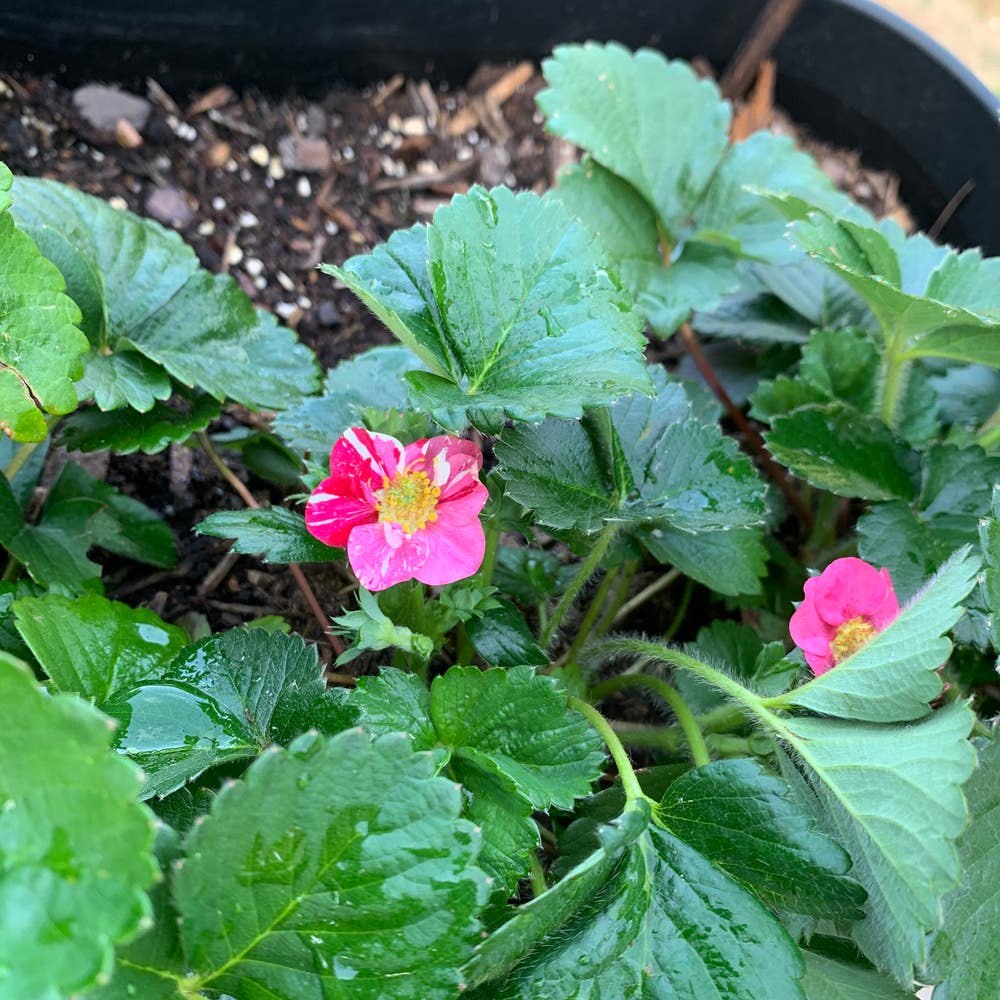
7 Tips for Selecting the Best Pot for Potentilla erecta 🪴
Potentilla erecta
By the Greg Editorial Team
Jan 06, 2025•5 min read
This article was created with the help of AI so we can cover more plants for you. May contain errors. See one? Report it here.
Unlock your Potentilla erecta's full potential 🌱 by mastering the art of choosing the perfect pot for every growth stage!
- 🌱 Start seedlings in 4-6 inch pots for strong root establishment.
- 🪴 Repot in spring when roots grow out of drainage holes for optimal growth.
- 🏺 Choose pot materials wisely; clay, plastic, and ceramic each have unique benefits.
Pot Sizes for Different Growth Stages
Recommended pot sizes for seedlings 🌱
When starting your Potentilla erecta, choose a container that is 4-6 inches in diameter. This smaller size encourages root establishment, allowing your seedlings to develop a strong foundation.
As your seedlings grow, transitioning to larger pots becomes essential. This gradual increase in size supports their expanding root systems and promotes healthy growth.
Recommended pot sizes for mature plants 🌳
For mature Potentilla erecta, opt for pots that are 10-12 inches in diameter. This size provides ample root space, which is crucial for the overall health of the plant.
Additionally, consider the pot's depth. A deeper pot accommodates the fibrous root systems of mature plants, ensuring they have enough room to thrive.
Ideal Pot Materials
Benefits of clay pots 🌱
Clay pots are a fantastic choice for your Potentilla erecta. Their breathability allows for better air circulation to the roots, promoting healthy growth.
Additionally, clay pots help regulate moisture levels, which is crucial for preventing overwatering. Their natural aesthetic also adds a charming touch to any garden setting.
Advantages of plastic pots 🪴
Plastic pots offer several practical benefits. They are lightweight and easy to move, making them ideal for gardeners who like to rearrange their plants.
Moreover, plastic pots are cost-effective and come in various sizes, catering to different growth stages. They also retain moisture longer than clay pots, which can be beneficial in dry conditions.
Comparison of other materials 🏺
Ceramic pots are visually appealing but can be heavy and prone to cracking, which may not suit all gardeners.
Metal pots provide good drainage but can heat up quickly, potentially affecting soil temperature.
When choosing pot materials, consider your local climate and location to ensure the best fit for your plants.
Understanding these options will help you make informed decisions that support the health and vitality of your Potentilla erecta.
Importance of Drainage
🕳️ Role of drainage holes in pot selection
Drainage holes are crucial in pot selection for Potentilla erecta. They prevent waterlogging, which can lead to root rot, a common issue for many plants.
When choosing pots, aim for at least one drainage hole for smaller pots and multiple holes for larger containers. This ensures excess water can escape, keeping your plant's roots healthy.
🌱 How drainage affects plant health
Poor drainage can severely impact root health and overall plant vitality. Without proper drainage, roots may suffocate, leading to yellowing leaves and stunted growth.
Watch for signs of inadequate drainage, such as wilting despite adequate watering or soil that remains soggy. Addressing drainage issues promptly can save your plant from further distress and promote a thriving garden.
In the next section, we’ll explore when to repot your Potentilla erecta for optimal growth.
When to Repot
🌱 Signs that repotting is needed
Recognizing when to repot your Potentilla erecta is crucial for its health. Look for root-bound indicators, such as roots growing out of the drainage holes, which signal that your plant has outgrown its current home.
Stunted growth, even with proper care, is another clear sign. If your plant seems to be struggling, it may be due to soil degradation, where the soil becomes compacted or depleted of nutrients.
🛠️ Best practices for repotting
Timing is everything when it comes to repotting. The best time to do this is in spring, just before new growth begins, ensuring your plant has the best chance to thrive.
Follow these steps for successful repotting:
- Prepare your new pot with fresh, nutrient-rich soil.
- Gently remove the plant from its old pot, taking care not to damage the roots.
- Loosen any tightly bound roots to encourage healthy growth.
- Place the plant in the new pot, filling it with soil while ensuring the proper depth.
By following these practices, you can help your Potentilla erecta flourish in its new environment. This sets the stage for healthy growth and vibrant blooms, so keep an eye on your plant's response after repotting to ensure it adapts well.
Choosing the Right Pot When Repotting
🏺 Factors to Consider When Selecting a New Pot
When selecting a new pot for your Potentilla erecta, size is crucial. Aim for a pot that is 1-2 inches larger in diameter than the current one to provide ample room for growth.
Material also plays a significant role in your choice. Consider your local climate and drainage needs; for instance, clay pots are great for air circulation, while plastic pots retain moisture longer.
Aesthetic considerations shouldn't be overlooked either. Choose a pot style that complements your garden design, enhancing the overall visual appeal of your plant display.
📏 Transitioning to Larger Pots: What to Look For
Gradual increases in pot size are essential to avoid transplant shock. Jumping too many sizes at once can stress your plant, so take it slow.
After repotting, monitor your plant's response closely. Look for signs of stress, such as wilting or yellowing leaves, as well as signs of adaptation, like new growth or vibrant foliage. This attention will help ensure your Potentilla erecta thrives in its new home.
As you prepare for the next steps in your gardening journey, remember that the right pot can make all the difference in your plant's health and happiness.
⚠️ Safety First
This content is for general information and may contain errors, omissions, or outdated details. It is not medical, veterinary advice, or an endorsement of therapeutic claims.
Always consult a qualified healthcare professional before using any plant as food, medicine, or supplement.
Never eat any plant (or feed one to pets) without confirming its identity with at least two trusted sources.
If you suspect poisoning, call Poison Control (800) 222-1222, the Pet Poison Helpline (800) 213-6680, or your local emergency service immediately.
Spotted an error? Please report it here.
Choose the perfect pot for your Potentilla erecta 🌱 with Greg's tailored reminders and expert tips to keep your plant thriving and happy!