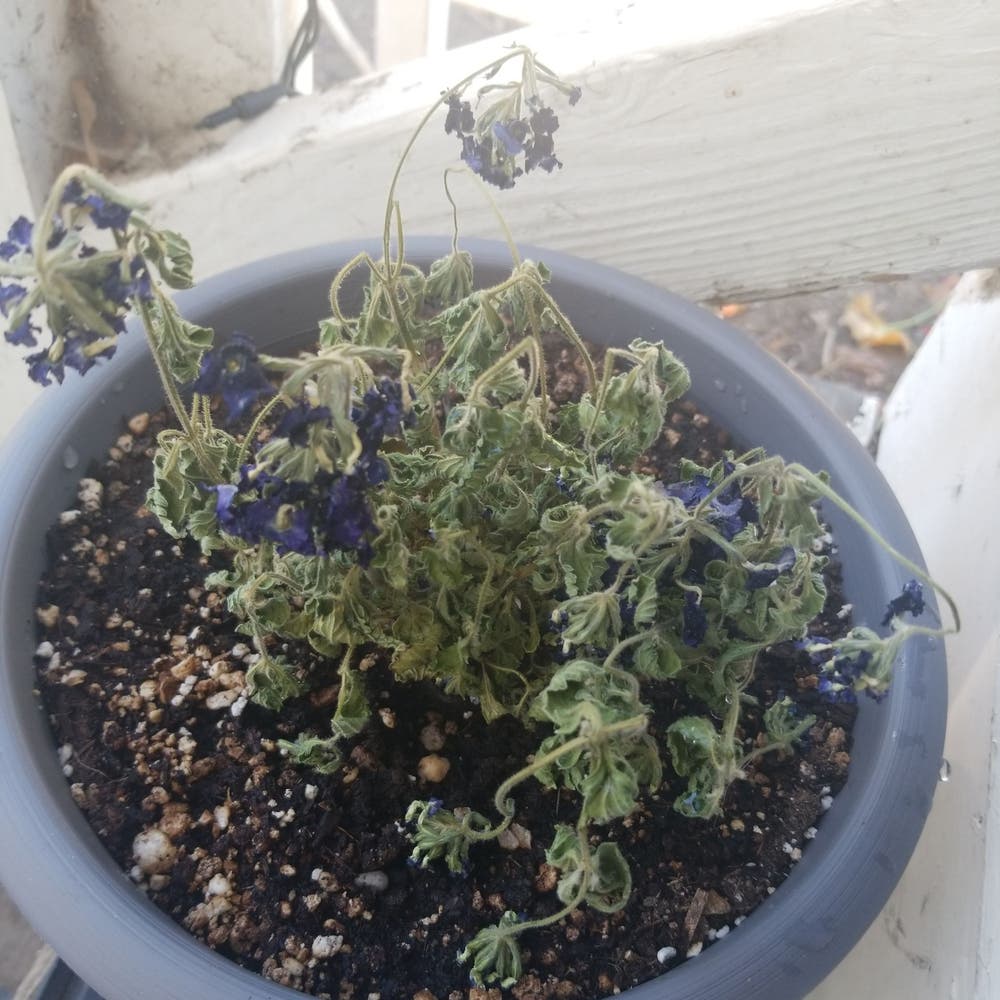
What Do I Do About Texas Vervain Root Rot?
Verbena halei
By the Greg Editorial Team
Mar 20, 2024•3 min read
This article was created with the help of AI so we can cover more plants for you. May contain errors. See one? Report it here.
Shield your Texas Vervain from root rot 🌿 with these proven rescue and defense tactics!
- Wilting and yellow leaves signal Texas Vervain root rot.
- Prune and treat with fungicide like Carbendazim for recovery.
- Use well-draining pots and soil, and sterilize tools for prevention.
Spotting the Red Flags: Identifying Root Rot in Texas Vervain
🚩 Visual Symptoms to Watch For
Wilting, yellowing leaves, and stunted growth are the plant's version of a distress flare. These aren't just cosmetic issues; they're a signal that your Texas Vervain is in trouble.
🕵️ Beyond the Surface: Checking the Roots
To confirm your suspicions, you'll need to investigate the roots. Healthy roots should be firm and white, while those affected by rot will be mushy and brown.
First Response: Immediate Actions to Combat Root Rot
🌿 Pruning for Plant Health
Trimming away the rot: a step-by-step guide.
- Inspect the plant, removing any leaves that show signs of distress.
- With sterilized shears, cut off all soggy, brown roots, preserving the healthy white ones.
- Balance the root pruning with a foliage trim to reduce stress on the plant.
🍄 Choosing the Right Fungicide
Fungicidal treatments that can save your Texas Vervain.
- Select a systemic broad-spectrum fungicide like Carbendazim.
- Apply as a soil drench or to the cut surfaces, following the label's instructions carefully.
- Avoid overuse; apply just enough to be effective without adding stress.
- Rotate fungicides to prevent resistance and always sterilize tools post-application.
Cultivating Resilience: Soil and Water Management
💧 Perfecting Your Watering Technique
Watering your Texas Vervain isn't just about sticking to a schedule; it's about observing and adapting. During hot spells, your plant might be as thirsty as a marathon runner, while cooler, cloudy days could mean less frequent watering. The goal is to keep the soil consistently moist, like a well-wrung sponge, without making it as soggy as a wet towel.
🌱 Soil Mix Mastery
The right soil mix for Texas Vervain is like a tailored suit – it needs to fit just right. Aim for a mix that's loose and friable, allowing roots to breathe and water to drain with ease. Incorporate organic matter like compost or peat moss to improve moisture retention without waterlogging. Remember, a well-draining pot is as crucial as the soil it holds – ensure it has holes to avoid dreaded standing water.
Shielding Your Texas Vervain: Prevention Strategies
🏡 The Right Home: Pots and Drainage
Selecting the proper pot for your Texas Vervain is critical. Drainage holes are a must-have feature; they prevent water from pooling at the bottom, which can lead to root rot. Terra cotta pots are often recommended for their porous nature, allowing the soil to dry out more quickly than in plastic pots. When repotting, consider adding a layer of gravel or pot shards at the bottom to enhance drainage further.
🧼 Cleanliness and Care
Sterilize your tools before diving into gardening tasks. This simple act can prevent the spread of disease from plant to plant. When pruning or repotting, use alcohol or a bleach solution to clean your tools. Keep an eye on your Texas Vervain's neighbors as well; spacing plants out ensures better airflow and reduces the risk of fungal infections. Regularly inspect your plants for signs of distress, and isolate any that show symptoms of disease to prevent it from spreading. Remember, cleanliness is next to gardenliness.
⚠️ Safety First
This content is for general information and may contain errors, omissions, or outdated details. It is not medical, veterinary advice, or an endorsement of therapeutic claims.
Always consult a qualified healthcare professional before using any plant as food, medicine, or supplement.
Never eat any plant (or feed one to pets) without confirming its identity with at least two trusted sources.
If you suspect poisoning, call Poison Control (800) 222-1222, the Pet Poison Helpline (800) 213-6680, or your local emergency service immediately.
Spotted an error? Please report it here.
Prevent Texas Vervain root rot by staying vigilant with care, and let Greg 🛡️ keep your plant's environment optimal with custom reminders for watering and inspection.