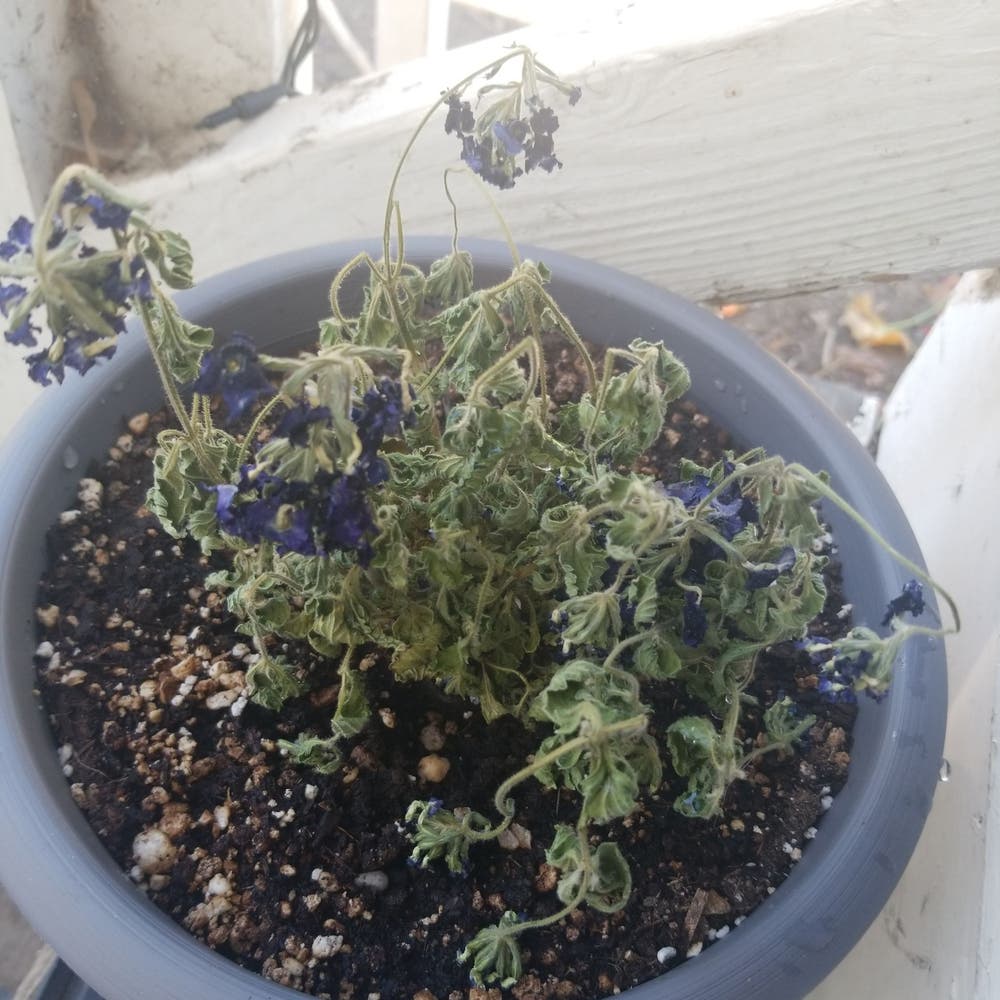
Why Is My Texas Vervain Dropping Leaves?
Verbena halei
By the Greg Editorial Team
Mar 20, 2024•4 min read
This article was created with the help of AI so we can cover more plants for you. May contain errors. See one? Report it here.
Prevent your Texas Vervain from shedding leaves 🍂 by mastering these essential plant care tips!
- 🍂 Yellowing, droopy leaves signal your Texas Vervain is stressed.
- Balance water and light; avoid overwatering and direct sun.
- Watch for pests and diseases, and fertilize with moderation.
Spotting the Signs: When Your Texas Vervain Is Unhappy
🍂 Recognizing Leaf Drop Symptoms
Leaf drop in Texas Vervain isn't always a crisis. It's normal for plants to shed a bit, but a leaf landslide is a cry for help. Yellowing leaves, especially the younger ones, are your first hint that something's off. If your Vervain's leaves are falling faster than a deck of cards in a magic trick, it's time to take action.
🌱 Assessing Plant Health
A quick health check is crucial. Start with the soil; if it's soggy, your watering habits might need adjustment. Check for roots that are more brown than a well-done steak—they shouldn't be. Droopy or discolored leaves are like warning lights on your car's dashboard; they mean "check engine" for your plant. Don't ignore them.
Water Woes: Striking the Right Balance
🌊 Overwatering and Root Rot
Yellowing leaves and a persistently damp soil are your Texas Vervain's cry for help, signaling overwatering. To save your waterlogged plant, reduce watering and increase airflow to the roots. Check for mushy roots; if present, trim them to prevent further decay. A soil change may be in order—opt for a mix that's less of a sponge and more of a sieve.
🏜️ Underwatering Stress
Conversely, if your Texas Vervain's leaves resemble crispy critters and the soil is as dry as a humorist's wit, you've skimped on the H2O. Address underwatering by upping your watering game, ensuring even moisture reaches the roots. Remember, consistency is key, but also be ready to adapt to your plant's changing needs. Keep the soil moist, like a well-wrung sponge, to avoid turning your verdant friend into a desert escapee.
Battling the Elements: Environmental Factors
🌡️ Temperature and Humidity Troubles
Extreme temperatures and humidity can wreak havoc on Texas Vervain's leaf retention. These conditions stress the plant, leading to leaf burn, wilting, and a decline in vigor. To prevent this, aim for a consistent temperature range, ideally between 60-80°F (16-27°C), and maintain moderate humidity levels.
🌞 Light Levels and Leaf Loss
The right light is crucial for leaf health. Texas Vervain thrives in bright, indirect light. If leaves are fading, they might be getting too much sun. Conversely, if they're darker than expected, they're likely craving more light. Adjust your plant's position to ensure it receives the optimal amount of light without being exposed to harsh direct rays. Rotate the plant regularly for even light distribution.
Foes and Diseases: Keeping Pests and Illness at Bay
🐛 Common Pests That Target Texas Vervain
In the battle against leaf drop, pests are often the hidden saboteurs. Spider mites and aphids are the usual suspects, sapping the life from your Texas Vervain with their insatiable thirst for sap. They're not the only ones; whiteflies and thrips also have a penchant for your plant's verdant leaves.
To catch these critters, turn detective and inspect the undersides of leaves. If you spot them, it's time for action. Reach for insecticidal soap or neem oil—your plant's knights in shining armor. Apply diligently, ensuring you cover all infected areas.
🍄 Fungal Foes and How to Fight Them
Fungi can be stealthy invaders, often going unnoticed until your plant starts shedding leaves like a dog in summer. Powdery mildew and leaf spot are the fungal parties you're not invited to. If you spot their signature marks, it's time to crash the party.
Isolate the affected plant to prevent the spores from RSVPing to your other plants. Remove affected leaves with precision, and consider a fungicide if the infection's got its groove on. Prevention is your best defense; keep those leaves dry and ensure good air circulation to keep the fungi from moving in.
Nourishment Know-How: Feeding Your Texas Vervain
💡 Spotting Nutrient Deficiencies
Leaf drop in Texas Vervain can sometimes signal a nutrient deficiency. Yellowing leaves, especially at the lower part of the plant, often cry out for a nutrient boost. A balanced liquid fertilizer, diluted to half strength, can address this issue without the risk of overfeeding.
🍽️ Fertilization Frequency and Formulas
Texas Vervain isn't a heavy feeder, so moderation is key. Overfeeding can harm as much as underfeeding. During the growing season, a balanced water-soluble fertilizer, with an appropriate N-P-K ratio, should be applied every few weeks. In the dormant season, pull back to avoid overwhelming the plant.
Remember, fresh potting soil can provide sufficient nutrients for a year, so annual repotting may reduce the need for additional fertilization. For those opting for a more natural approach, incorporating compost or organic pellets into the soil can also promote a healthy nutrient balance.
Always keep fertilizer off the leaves and ensure granular types are watered in well. If you're in a pinch, foliar feeding can act as a quick fix, but it's not a long-term solution. Keep an eye on your plant's response to adjust care as needed.
⚠️ Safety First
This content is for general information and may contain errors, omissions, or outdated details. It is not medical, veterinary advice, or an endorsement of therapeutic claims.
Always consult a qualified healthcare professional before using any plant as food, medicine, or supplement.
Never eat any plant (or feed one to pets) without confirming its identity with at least two trusted sources.
If you suspect poisoning, call Poison Control (800) 222-1222, the Pet Poison Helpline (800) 213-6680, or your local emergency service immediately.
Spotted an error? Please report it here.
Turn your Texas Vervain's frown upside down and prevent leaf drop 🍂 with Greg's custom watering plans and real-time support from our plant-loving community.