🤠 How Often Do I Need to Water My Texas Vervain?
Verbena halei
By the Greg Editorial Team
Mar 20, 2024•3 min read
This article was created with the help of AI so we can cover more plants for you. May contain errors. See one? Report it here.
Nurture a lush Texas Vervain 🌿 by decoding its watering needs to dodge drought and dodge deluge.
- Wilting and yellowing signal under-watering; soggy soil means over-watering.
- Deep watering and mulching enhance root health and moisture retention.
- Well-draining soil with amendments like perlite is key to vibrant growth.
Spotting the Thirsty Texas Vervain
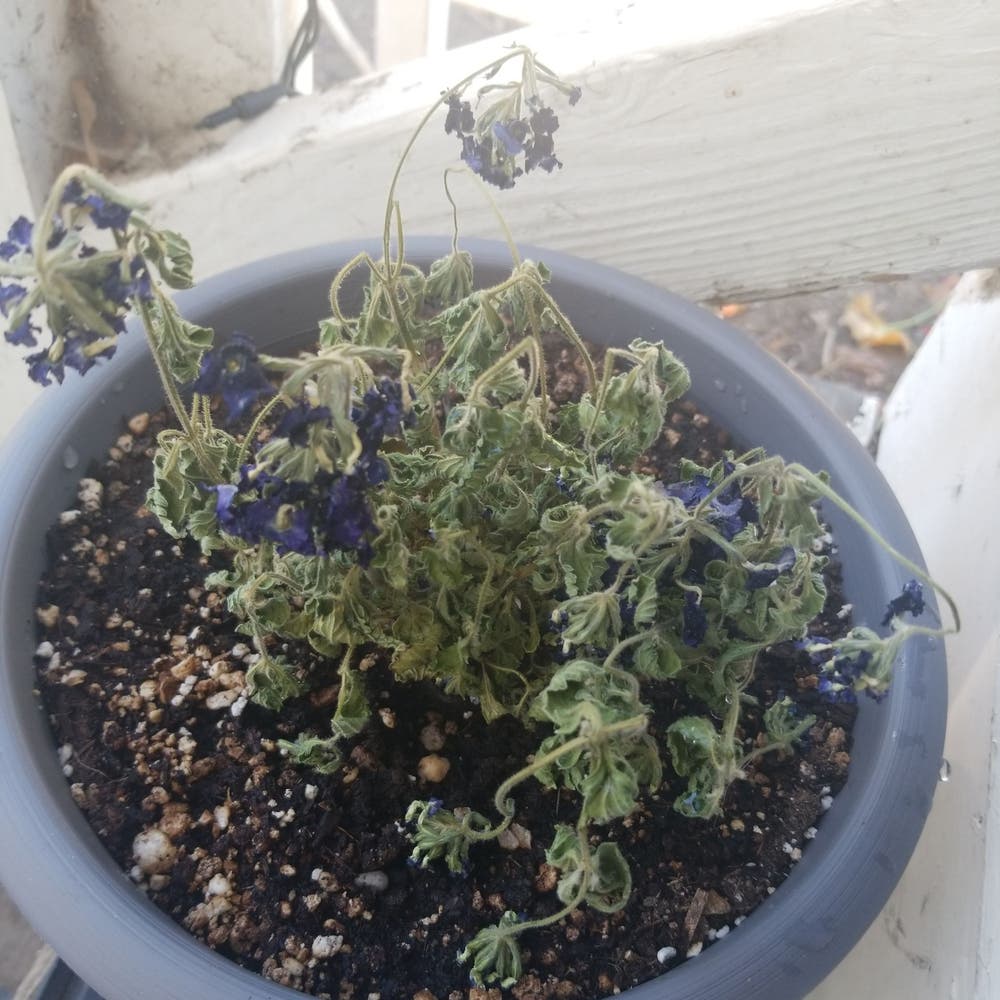
💧 Visual cues for under-watering
- Wilting: A telltale sign that your Texas Vervain is begging for water.
- Yellowing leaves: Not just a color change, but a distress signal.
- Stunted growth: When your plant's growth seems to hit a brick wall, it's time to check the watering can.
💦 Signs of over-watering
- Soggy soil: More swamp than soil, it's a sign to ease up on the H2O.
- Root rot symptoms: Mushy roots spell disaster; act fast to prevent a plant catastrophe.
Watering Wisdom for Texas Vervain
💧 When to Water
Check the soil before you water—stick your finger in; if it's dry a couple of inches down, it's time to hydrate. Texas Vervain isn't needy; it likes to dry out between drinks. Weather-based adjustments are a must. If it's hot and dry, your plant will be thirstier. Cooler, rainy days? Ease up on the watering can.
🚰 How Much to Water
During different growth stages, your Texas Vervain's thirst will vary. Young plants need steady moisture to establish roots, but mature ones are more drought-tolerant. Adjusting for rainfall is key—nature might be doing your job for you. In drought conditions, water more; during wet spells, less. It's all about balance.
Best Watering Practices
💦 Deep Watering Technique
Deep watering isn't just a buzzword; it's the secret sauce for a Texas Vervain with roots that reach for the stars. By saturating the soil, you're giving your plant a reason to grow a strong, deep root system. Water until the soil is moist, not just at the surface, but several inches down. This ensures the roots get their full share before the Texas heat swoops in to evaporate the moisture.
🌿 Mulching Magic
Mulch is like that reliable friend who always has your back, or in this case, your plant's roots. A layer of mulch acts as a moisture bodyguard, reducing evaporation and keeping the soil cool. But don't smother your plant with love; a few inches of mulch is plenty. Keep it away from the stem to prevent rot and let your Texas Vervain breathe easy.
Soil and Drainage Essentials
💧 Importance of well-draining soil
Well-draining soil is crucial for Texas Vervain. It's like a good drainage system in your house—without it, things get messy. To prevent waterlogging, which can suffocate roots and promote rot, the soil must allow excess water to escape swiftly.
🌱 Soil amendments for optimal moisture
To enhance your soil's structure, think of amendments as a renovation project. Mix in perlite or coarse sand to keep it light and airy, allowing roots to spread without drowning. Organic matter, such as compost, is like a superfood smoothie for your soil—it enriches and binds soil particles, creating a hospitable environment for roots to thrive. Regular additions transform even the clumpiest soil into a well-drained paradise.
Remember, your soil's needs can change with the seasons. Stay vigilant and adapt your soil mix to avoid waterlogged roots in winter or drought stress in summer. Keep it loose, keep it nutrient-rich, and your Texas Vervain will show its gratitude through vibrant growth.
⚠️ Safety First
This content is for general information and may contain errors, omissions, or outdated details. It is not medical, veterinary advice, or an endorsement of therapeutic claims.
Always consult a qualified healthcare professional before using any plant as food, medicine, or supplement.
Never eat any plant (or feed one to pets) without confirming its identity with at least two trusted sources.
If you suspect poisoning, call Poison Control (800) 222-1222, the Pet Poison Helpline (800) 213-6680, or your local emergency service immediately.
Spotted an error? Please report it here.
Ensure your Texas Vervain thrives 🌱 with Greg's personalized reminders for soil checks and deep watering, tailored to your plant's needs and local weather.