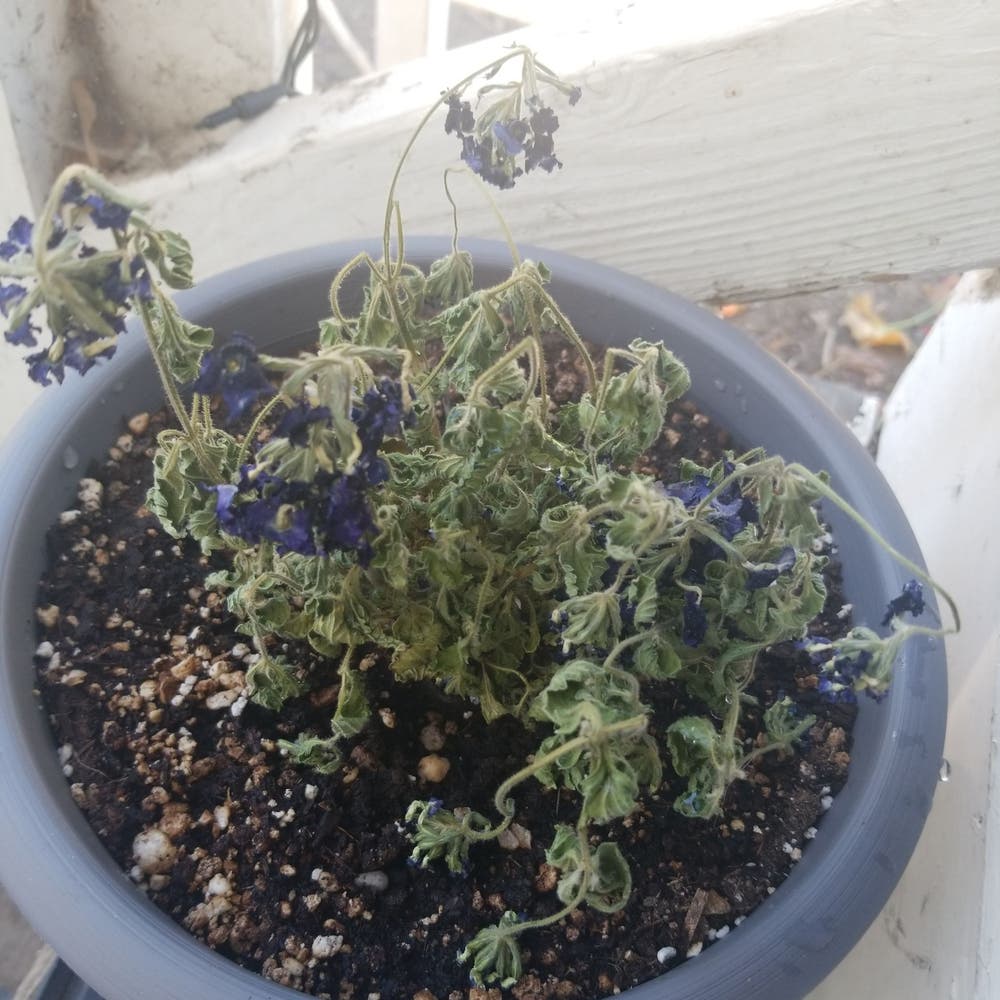
Why Your Verbena halei Leaves Are Falling Over
Verbena halei
By the Greg Editorial Team
Aug 01, 2024•4 min read
This article was created with the help of AI so we can cover more plants for you. May contain errors. See one? Report it here.
Stop Verbena halei's droop 🌿—quick fixes for a lush, vibrant garden!
- Prompt attention needed for drooping Verbena halei leaves, signaling distress.
- Balance water and nutrients, and improve soil for plant health.
- Prune and support to maintain Verbena halei's health and appearance.
Identifying the Problem
Verbena halei leaves that lose their upright stance and begin to droop are sending a clear signal of distress. Look for leaves that appear limp, lacking their usual perky posture, as this is often the first indication that your plant needs attention.
Recognizing Signs of Verbena halei Leaves Falling Over
- Observe leaves that hang listlessly, which may indicate they're not just resting but facing a health issue.
- Check for any discoloration or signs of wilting, as these can accompany the drooping and suggest underlying problems.
🚨 Understanding the Urgency of Addressing Drooping Leaves
Drooping leaves are more than an aesthetic concern; they can be a precursor to more severe health issues in Verbena halei. Addressing the droop promptly can prevent further decline, so it's important to act quickly when you notice these symptoms.
Specific Causes of Drooping
🌿 Environmental Stress
Verbena halei, like many plants, can be quite sensitive to their environment. Here's how to tell if your plant is stressed:
- Leaves may appear faded or with burnt tips if there's too much light or heat.
- Drooping can occur if the plant is too cold or exposed to drastic temperature changes.
To keep your Verbena halei perky, consider these adjustments:
- Position the plant in a spot with bright, indirect sunlight.
- Maintain a consistent temperature, avoiding spots near air conditioners or heaters.
💧 Watering Issues
Watering is a balancing act. Here's what to look for:
- Overwatering: Leaves might turn yellow, and the soil will feel soggy.
- Underwatering: Leaves become dry and crispy.
To strike the right moisture balance:
- Allow the top inch of soil to dry out before watering again.
- Ensure the pot has good drainage to prevent water from pooling.
🌱 Soil and Drainage
Soil quality can't be overlooked. Here's why it matters:
- Poor drainage can lead to waterlogged soil, causing root rot and drooping leaves.
- Compacted or poor-quality soil can prevent roots from accessing the nutrients they need.
To improve soil conditions:
- Mix in organic matter like compost to enhance soil structure.
- Use a pot with drainage holes and consider a layer of gravel at the bottom to improve water flow.
🌿 Nutrient Imbalances
Nutrient deficiencies can lead to a variety of symptoms, including drooping. Keep an eye out for:
- Pale or yellowing leaves, which may indicate a lack of nitrogen.
- Weak stems and slow growth, often a sign of phosphorus deficiency.
To correct these imbalances:
- Apply a balanced, slow-release fertilizer as per the package instructions.
- Consider a soil test to tailor your fertilization to your plant's specific needs.
Immediate Solutions
🌿 Pruning for Health
Pruning is not just about aesthetics; it's a critical step in maintaining the health of your Verbena halei. Here's how to do it right:
- Timing: The best time to prune is early spring, as new growth begins to show. This allows the plant to focus its energy on the development of strong, healthy foliage.
- Technique: Use sharp, clean shears to make precise cuts. Remove dead or weak branches to encourage new growth and improve air circulation. Aim to cut just above a leaf node to promote bushier growth.
🌱 Structural Support
Sometimes, Verbena halei needs a little help staying upright. Here's when and how to offer that support:
- When to Stake: If you notice stems beginning to bend or droop, it's time to stake. Early intervention can prevent further damage and stress to the plant.
- Choosing Support: Select a support system that suits the size and growth habit of your Verbena halei. Options include:
- Bamboo stakes for a minimalist approach.
- Trellises for a more decorative touch.
- Ensure ties are secure but not too tight to avoid damaging the stems.
Long-Term Prevention Strategies
🌞 Optimal Plant Placement
Selecting the right location for your Verbena halei is akin to choosing the perfect home—it's all about the conditions. Here's how to ensure your plant thrives:
- Place in an area with full sun exposure, as Verbena halei loves the light.
- Ensure the soil is well-draining; sandy to loamy soils are ideal.
- Consider seasonal changes; provide more shade during intense summer heat and protect from harsh winter conditions.
💡 Consistent Care Routine
A predictable care routine is the secret to a flourishing Verbena halei. Stick to these guidelines for a happy plant:
- Establish a watering schedule that adapts to seasonal changes—less frequent in cooler months, more attentive during dry spells.
- Feed with a balanced fertilizer, following the recommended frequency for Verbena halei.
- Prune regularly to promote healthy growth and prevent overgrowth; this also encourages a more robust display of blooms.
⚠️ Safety First
This content is for general information and may contain errors, omissions, or outdated details. It is not medical, veterinary advice, or an endorsement of therapeutic claims.
Always consult a qualified healthcare professional before using any plant as food, medicine, or supplement.
Never eat any plant (or feed one to pets) without confirming its identity with at least two trusted sources.
If you suspect poisoning, call Poison Control (800) 222-1222, the Pet Poison Helpline (800) 213-6680, or your local emergency service immediately.
Spotted an error? Please report it here.
Revitalize your Verbena halei and prevent those pesky droops with custom care 🌱 from Greg, turning plant distress into horticultural success.