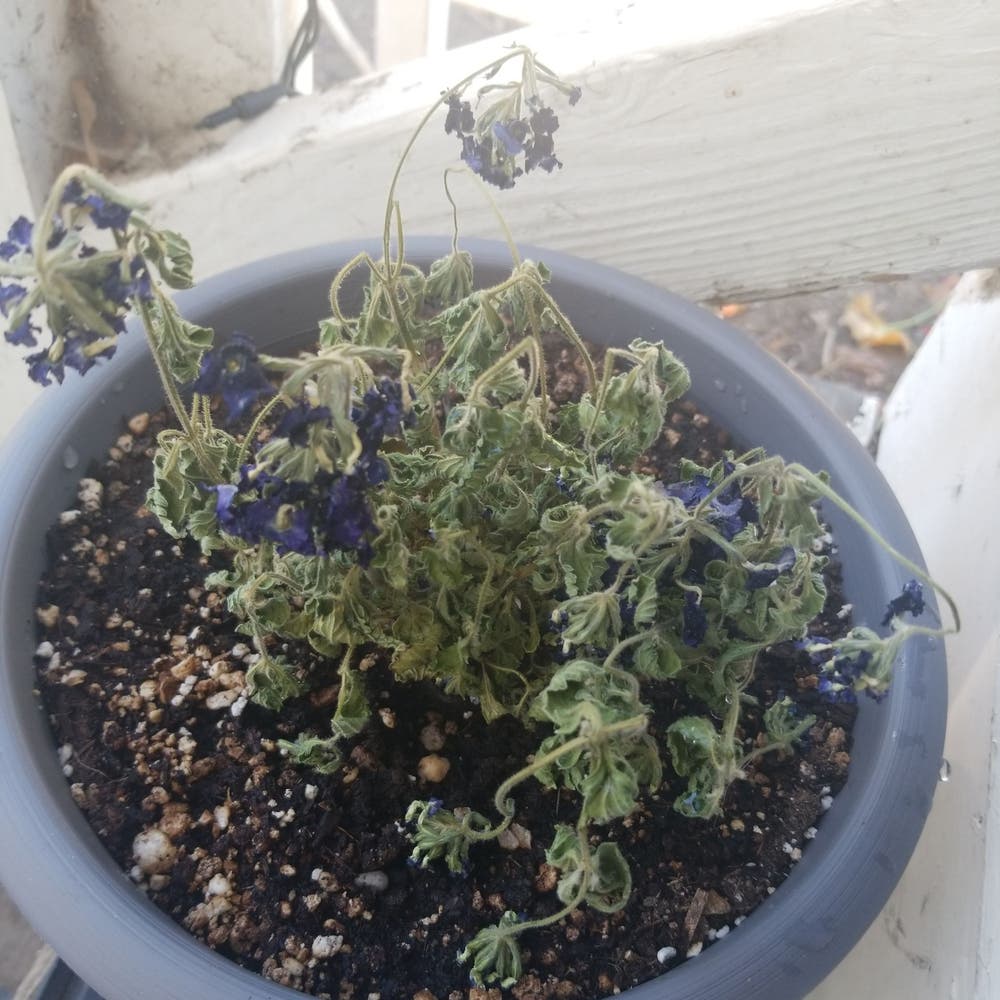
Why Are My Texas Vervain Leaves Droopy?
Verbena halei
By the Greg Editorial Team
Mar 20, 2024•4 min read
This article was created with the help of AI so we can cover more plants for you. May contain errors. See one? Report it here.
Stop the droop: Learn how to diagnose and fix your Texas Vervain's wilted leaves with expert tips! 🌿🔍
- Droopy leaves signal care issues in Texas Vervain—don't overlook.
- Balance watering; avoid over/underwatering to prevent droopiness.
- Enhance soil drainage and composition for leaf vitality.
Spotting the Droop: Identifying the Problem
🌿 Visual Cues: Healthy vs. Droopy Leaves
Healthy Texas Vervain leaves stand at attention, boasting a firm texture. In contrast, droopy leaves hang their heads, feeling limp and defeated. It's not just a bad leaf day; it's a cry for help. Look for leaves that resist gentle pressure versus those that fold faster than a bad poker hand.
⏰ Timing and Importance
Timing is crucial. Leaves that droop post-noon might just be thirsty, while all-day droopiness could point to a more chronic issue. It's not just about looks; droopy leaves can signal serious health problems. Spotting the droop early gives you a fighting chance to address the underlying issues before they escalate.
Water Woes: Overwatering and Underwatering
💧 Too Much Love: Overwatering Havoc
Overwatering can turn your Texas Vervain's leaves into a droopy, disheartened mess. If the leaves feel squishy or look swollen, you're likely dealing with waterlogged soil. This excess moisture smothers roots, preventing them from breathing and leading to root rot—a silent plant killer.
🌱 The root of the problem: How overwatering affects root health
Roots need oxygen as much as they need water. Overwatering fills air spaces in the soil with water, making roots drown and decay. This can invite a fungal free-for-all, with root rot as the uninvited guest that refuses to leave.
🏜️ Thirsty Roots: The Underwatering Plight
An underwatered Texas Vervain will have leaves that droop like they've lost all hope. Soil that's dry and crumbly, or pulling away from the pot's edge, is a clear SOS for hydration. These are the plant's way of saying it's more parched than a desert traveler.
🚰 The delicate balance: Finding the sweet spot for watering
Finding the watering sweet spot is like a dance—too close and you step on toes, too far and you lose the rhythm. Water when the top inch of soil feels dry, and ensure the water reaches the roots without turning the pot into a miniature lake. Consistency is key, so keep an eye on the plant and adjust your routine with the seasons.
Soil Secrets: The Foundation of Leaf Health
🚰 Drainage Drama: Compacted and Poorly Draining Soil
Compacted soil is like a tight corset around the roots of your Texas Vervain; it's suffocating. Droopy leaves often signal that the plant's roots are gasping for air and water. To revive the soil, think of it as a fluffy pillow—perlite or coarse sand can loosen it up, allowing roots to breathe and water to flow.
🚰 Fixing the Flow: Enhancing Soil Drainage
If your soil holds water like a clingy friend, it's time for an intervention. Mix in organic matter like compost to improve drainage and give your soil structure a boost. Regularly monitor soil moisture to prevent waterlogging, ensuring your Vervain's roots aren't swimming when they should be sipping.
🚰 The Right Mix: Soil Composition and Health
Leaf vitality hinges on what's beneath. A nutrient-rich soil mix is non-negotiable for perky Vervain leaves. If your soil is more fast food than fine dining, consider amending it with organic matter like compost or well-rotted manure to provide a balanced meal for your plant.
🚰 Tweaking the Texture: Soil Amendments for Happy Leaves
When your Vervain's leaves droop, it's a cry for help. Check if your soil is too dense or too sandy. Amend it to achieve that sweet spot—loamy and rich, yet well-draining. A soil test kit can be your best friend here, guiding you to the perfect soil composition for your thirsty Vervain.
Reviving the Verve in Vervain: Remedies and Prevention
💧 Course Correction: Adjusting Your Watering Routine
Dialing back: If you're guilty of overwatering, it's time to ease up on the hydration. Wait for the top inch of soil to feel like a dry sponge before giving your Texas Vervain another drink. Overzealous watering can suffocate roots faster than a rush-hour subway.
Upping the ante: On the flip side, if your plant's thirst isn't quenched, it's time to increase the watering frequency. Mimic a cloud with commitment issues—water deeply but sporadically, letting the soil's top layer dry out between showers.
🌱 Soil TLC: Ongoing Soil Management
Regular check-ups: Keep tabs on your soil like it's a moody teenager. Use your finger to gauge moisture and texture—no fancy gadgets needed, just your trusty digit. If it clumps like cold oatmeal, it's too wet; if it's dustier than an attic, too dry.
Long-term love: Think of soil health as a marathon, not a sprint. Introduce organic matter to your soil like you're setting up a blind date—it could be the start of a beautiful relationship. Keep the soil aerated and well-draining to avoid waterlogging, which can turn roots into mush faster than a blender.
⚠️ Safety First
This content is for general information and may contain errors, omissions, or outdated details. It is not medical, veterinary advice, or an endorsement of therapeutic claims.
Always consult a qualified healthcare professional before using any plant as food, medicine, or supplement.
Never eat any plant (or feed one to pets) without confirming its identity with at least two trusted sources.
If you suspect poisoning, call Poison Control (800) 222-1222, the Pet Poison Helpline (800) 213-6680, or your local emergency service immediately.
Spotted an error? Please report it here.
Revive your Texas Vervain 🍃 by letting Greg tailor your watering routine to banish droopiness and keep your plant's leaves perfectly perky!