🌸 Light Requirements For Your Slipper Flower
Euphorbia tithymaloides
By the Greg Editorial Team
Oct 21, 2024•4 min read
This article was created with the help of AI so we can cover more plants for you. May contain errors. See one? Report it here.
- 🌞 Optimal light for slipper flowers is near east or west-facing windows.
- 🚫 Avoid direct sunlight to prevent leaf burn and plant stress.
- 💡 Use grow lights if natural light is insufficient for healthy growth.
Indoor Light Guidance
Best Locations for Indoor Slipper Flower 🌞
Finding the right spot for your slipper flower is crucial. Position it near east or west-facing windows to ensure optimal light exposure.
Avoid direct sunlight, as it can lead to leaf burn and stress. Your plant will thrive in bright, indirect light, which mimics its natural habitat.
Use of Grow Lights for Indoor Cultivation 💡
If natural light is lacking, grow lights can be a game changer. They supplement sunlight effectively, especially in dimly lit spaces.
For the best results, opt for LED or fluorescent lights with a color temperature between 5000-6500K. This range closely resembles natural daylight, promoting healthy growth.
Adjusting Light Exposure Based on Seasons 🍂
As the seasons change, so should your plant's light exposure. Be prepared to increase or decrease the amount of light your slipper flower receives.
During the growing season, aim for 12-14 hours of light daily. In winter, reduce this to 10-12 hours to align with the plant's natural rhythms.
With these tips, your slipper flower will flourish indoors, setting the stage for vibrant blooms and lush foliage. Next, let's explore outdoor light guidance for your slipper flower.
Outdoor Light Guidance
Ideal Outdoor Conditions for Slipper Flower 🌼
For your slipper flower to thrive outdoors, aim for partial shade. This protects the plant from the harsh midday sun, which can be too intense.
Morning sun exposure is particularly beneficial. It provides the warmth and light needed for growth without the risk of overheating.
Protection from Direct Sunlight 🛡️
To shield your slipper flower from excessive sunlight, consider using shade cloths. These can effectively filter intense rays during peak hours, ensuring your plant remains healthy.
Placement is also crucial. Avoid south-facing locations in hot climates, as these spots can lead to overheating and stress for your flower.
Seasonal Adjustments for Outdoor Placement 🍂
As the seasons change, so should your approach to outdoor placement. In spring and summer, gradually acclimate your slipper flower to outdoor conditions to prevent shock.
During fall and winter, it’s wise to bring your plant indoors or provide additional protection from the cold. This ensures it remains healthy and vibrant throughout the year.
With the right outdoor light conditions, your slipper flower will flourish beautifully. Next, let’s explore how light plays a vital role in flowering.
Role of Light in Flowering
🌼 How Light Affects Flowering in Slipper Flower
Light plays a crucial role in the blooming process of your slipper flower. Longer light periods can significantly encourage blooming, making it essential to provide adequate exposure.
Bright indirect light is particularly beneficial. This type of light promotes healthy flower development, ensuring your plant thrives and produces beautiful blooms.
🚫 Signs of Insufficient Light for Blooming
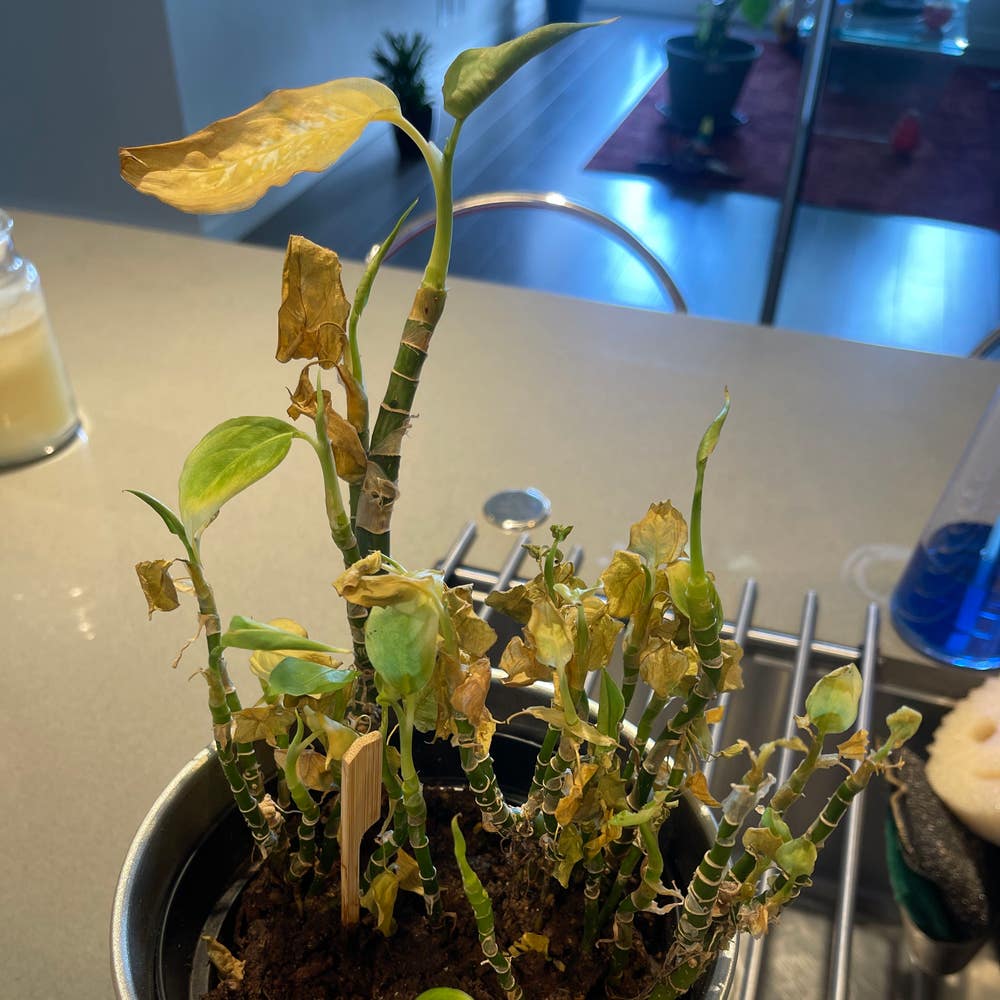
If your slipper flower isn't getting enough light, you'll notice some telltale signs. Leaf yellowing is a common indicator, signaling stress from inadequate light.
Additionally, a lack of flower spikes can occur. You may see fewer blooms or experience delayed flowering, which can be frustrating for any plant lover.
Understanding these light requirements will help you nurture your slipper flower effectively. Next, let’s explore common light-related issues that can arise.
Common Light-Related Issues
Symptoms of Too Much Light 🌞
Excessive light can be detrimental to your slipper flower. Look out for leaf burn, which manifests as brown, crispy edges on the leaves.
Another sign is wilting, a stress response indicating that the plant is overwhelmed by too much light exposure.
Symptoms of Too Little Light 🌑
On the flip side, insufficient light leads to noticeable issues. Leggy growth occurs when stems elongate as the plant stretches toward available light.
You may also notice poor flowering, with reduced or absent blooms, signaling that your slipper flower isn't getting enough light.
Solutions for Light-Related Problems 💡
Addressing light-related issues is crucial for maintaining a healthy plant. Start by adjusting placement; moving your slipper flower to a more suitable location can make a significant difference.
If you're indoors, consider using grow lights to supplement natural light, ensuring your plant thrives even in low-light conditions.
With the right adjustments, your slipper flower will flourish beautifully!
⚠️ Safety First
This content is for general information and may contain errors, omissions, or outdated details. It is not medical, veterinary advice, or an endorsement of therapeutic claims.
Always consult a qualified healthcare professional before using any plant as food, medicine, or supplement.
Never eat any plant (or feed one to pets) without confirming its identity with at least two trusted sources.
If you suspect poisoning, call Poison Control (800) 222-1222, the Pet Poison Helpline (800) 213-6680, or your local emergency service immediately.
Spotted an error? Please report it here.
Ensure your slipper flower gets the ideal light exposure 🌼 by using Greg's tailored reminders and tips for thriving blooms all year round!