Step-by-Step Guide to Trimming Slipper Flower 🐞
Euphorbia tithymaloides
By the Greg Editorial Team
Oct 21, 2024•4 min read
This article was created with the help of AI so we can cover more plants for you. May contain errors. See one? Report it here.
- 🌸 Prune slipper flowers in early spring and late summer for optimal growth.
- ✂️ Signs to prune include overgrowth, dead stems, and reduced blooms.
- 🌱 Deadheading boosts blooms and prevents pests; use clean tools for best results.
When to Prune
Best Seasons for Pruning 🌸
Timing is everything when it comes to pruning your slipper flower. The best seasons to tackle this task are early spring, just before new growth kicks in, and late summer, after the flowering has wrapped up.
Signs That Indicate It's Time to Prune ✂️
Look for a few telltale signs that your plant is ready for a trim. An overgrown appearance, characterized by dense foliage or stems crossing each other, is a clear indicator.
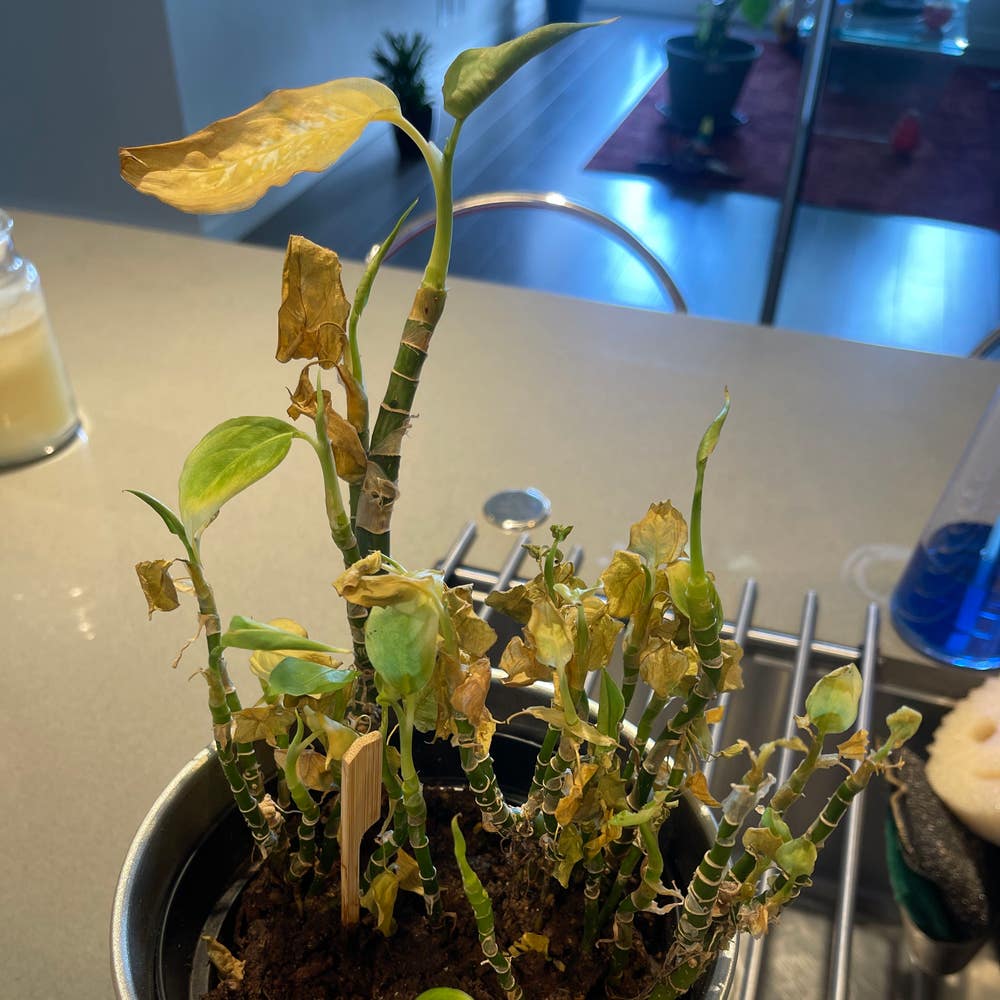
Additionally, keep an eye out for dead or damaged stems. If you notice brown, brittle, or wilted sections, it’s time to act. Lastly, if your plant is producing fewer blooms than in previous seasons, that’s another sign it needs some attention.
Timing Considerations Based on Local Climate 🌦️
Your local climate plays a crucial role in determining the right time to prune. Adjust your pruning schedule based on frost dates to avoid damaging new growth.
Also, consider local rainfall patterns that may affect growth. If your area experiences heavy rainfall, you might need to prune earlier to prevent overgrowth.
Deadheading
Importance and Rationale 🌼
Deadheading is the process of removing spent flowers from your slipper flower plants. This simple act encourages new blooms and prevents seed formation, allowing the plant to redirect its energy toward fresh growth.
Step-by-Step Deadheading Instructions ✂️
- Identify spent flowers: Look for blooms that are wilting or browning.
- Use clean pruning shears: Always ensure your tools are disinfected to prevent disease.
- Cut just above the first set of healthy leaves: This promotes new growth effectively.
- Dispose of cut flowers: Proper disposal helps prevent the spread of disease.
Benefits for Plant Health and Aesthetics 🌿
Deadheading offers numerous benefits for both plant health and visual appeal. It encourages a prolonged blooming period, enhancing the overall appearance of your plants.
Additionally, removing decaying flowers reduces the risk of pests and diseases. Healthy plants not only look better but also thrive longer, making deadheading a crucial part of your gardening routine.
With your plants looking vibrant and healthy, you’re now ready to explore common pruning mistakes. Understanding these pitfalls will help you maintain the beauty and vitality of your slipper flowers.
Common Pruning Mistakes
✂️ Over-Pruning and Its Effects
Over-pruning can significantly weaken your slipper flower. This mistake often leads to sparse foliage and stunted growth, leaving your plant looking less than its best.
⏰ Not Pruning at the Right Time
Timing is everything when it comes to pruning. If you miss the optimal window, you risk losing out on new growth and reducing the plant's overall vigor.
🛠️ Using Improper Tools
Using the wrong tools can cause more harm than good. Dull or dirty tools can damage stems and increase susceptibility to diseases, so always ensure your equipment is sharp and clean.
Final Thoughts
Avoiding these common mistakes will help your slipper flower thrive. With the right approach, you can enjoy a vibrant and healthy plant that blooms beautifully season after season.
Post-Pruning Care
How to Care After Pruning 🌱
After you’ve trimmed your slipper flower, proper care is essential for its recovery. Start with watering; aim for consistent moisture without overwatering, as soggy soil can lead to root rot.
Next, consider mulching. A layer of mulch helps retain soil moisture and suppress weeds, creating a healthier environment for your plant.
Monitoring Plant Health 👀
Regular inspections are crucial. Keep an eye out for new growth and any signs of stress, such as yellowing leaves or wilting.
Be prepared to adjust your care based on how the plant responds. If it seems sluggish, it might need a little extra attention.
Fertilization Considerations After Pruning 🌼
Timing is everything when it comes to fertilization. Wait about 2-4 weeks after pruning to give your slipper flower a nutrient boost.
Opt for a balanced NPK formula to promote healthy development. This will support new growth and help your plant thrive.
With these post-pruning care tips, your slipper flower will be well on its way to a vibrant recovery. Next, let’s explore some common pruning mistakes to avoid for a healthier garden.
⚠️ Safety First
This content is for general information and may contain errors, omissions, or outdated details. It is not medical, veterinary advice, or an endorsement of therapeutic claims.
Always consult a qualified healthcare professional before using any plant as food, medicine, or supplement.
Never eat any plant (or feed one to pets) without confirming its identity with at least two trusted sources.
If you suspect poisoning, call Poison Control (800) 222-1222, the Pet Poison Helpline (800) 213-6680, or your local emergency service immediately.
Spotted an error? Please report it here.
Keep your slipper flowers blooming beautifully 🌸 by using Greg's tailored pruning reminders and expert tips to ensure they thrive all year round!