
Schizanthus
Taxonomy

Dracaena schizantha
Dracaena
Asparagaceae
Asparagales

How to care for Schizanthus
How often to water your Schizanthus

every 12
Schizanthus needs 0.5 cups of water every 12 when it doesn’t get direct sunlight and is potted in a 5" pot.
Use our water calculator to personalize watering recommendations to your environment or download Greg for more advanced recommendations for all of your plants.
Water 0.5 cups every
12
Finding light for Schizanthus in your home

a window
Schizanthus can tolerate being far from a window and light source.
Place it less than 6 feet from a south-facing window to ensure it receives enough light to survive 💪.
Select your region to see how the current weather in your area affects the placement of Schizanthus in your home 🏡.
How to fertilize Schizanthus

Most potting soils come with ample nutrients which plants use to produce new growth.
By the time your plant has depleted the nutrients in its soil it’s likely grown enough to need a larger pot anyway.
To replenish this plant's nutrients, repot your Schizanthus after it doubles in size or once a year—whichever comes first.
-
This my lucky bamboo named Bambi it so healthy don’t u think #HappyPlants #NewGrowth #goodvibesonly
-
Help! I repotted and she’s stressed ☹️ #Dracaena Gurus! 7 foot Dracaena that I had to repot (roots were staying wet too long…). Dry patches starting at tips and sometimes where the light green spots are. I’m afraid to water as she dry only to 2inches into the soil. I assume she’s stressed by the repot and that she doesn’t have disease…I moved her 3feet Northeast position to 5feet Southwest (needed the ceiling height!). NOTE: the root ball was not totally intact when repotted. About half of it got separated 😩. Any feedback or advice?
-
Why is it turning brown, looks like it's dying. Only had 2 months? #Dracaena
-
If a cat eats this plant will they die or just get sick? #Dracaena
-
Is this plant suffering from etiolation? I have it about a foot away from an east facing window so it should be getting enough sun.  #Dracaena
-
What is wrong with my plant? #Dracaena
-
Help! Why is it turning brown? Too much water? Not enough? What can I do to help it? #Dracaena
-
Raggedy Dust Mites Ughhhh they got my bamboo! What should I do!!? Toss it? Cut the leaves?
-
Yellow brownish tip on one leaf #Dracaena
-
I picked up this beauty and it has tons@of new shoots can I cut them off and plant them one has roots on it? #Dracaena


Care Summary for Schizanthus
Schizanthus
 Greg recommends:
 Water
Water
0.5 cups every 12 days
 Placement
< 6ft from a window
 Nutrients
Repot after 2x growth
Based on the 4” pot your plant is in, and that it doesn’t get direct sunlight.
 Trending in your area









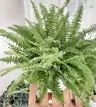




 Similar to Schizanthus


✨ Discover rare plants
Philodendron 'Silver …

Sedeveria 'Blue Elf'

Hoya 'Millie'

Aglaonema Spitfire

Hoya fitchii
Philodendron 'Gabby'

Haworthia emelyae com…

Vatricania guentheri
Skeleton Key Pothos

Anthurium 'Fantasy Lo…

Electric Blue Gecko

Electric Fern

Aeonium 'Blushing Bea…

Lavandula Pedunculata

Treasure Flower

Parrot Pitcher Plant
