Rosy Jewel Orchid Explained: Key Information 🌸
Anoectochilus roxburghii
By the Greg Editorial Team
Feb 11, 2025•12 min read
This article was created with the help of AI so we can cover more plants for you. May contain errors. See one? Report it here.
Elevate your home with the stunning Rosy Jewel Orchid 🌺—a low-maintenance beauty that purifies the air and delights the senses!
- 🌱 Rosy Jewel Orchid thrives in indirect light; direct sunlight causes leaf scorch.
- 💧 High humidity (60-80%) is essential for the health of this orchid.
- 🌡️ Ideal temperature range is 65°F to 80°F for optimal growth and flowering.
How to Grow
Choosing the Right Location 🌍
To ensure your Rosy Jewel Orchid thrives, start by selecting the right location. This plant prefers indirect light; direct sunlight can scorch its delicate leaves.
Humidity is another crucial factor. Aim for a high humidity level of 60-80%. Using a humidity tray or misting can help create the perfect environment.
Temperature also plays a significant role in growth. The ideal range is between 65°F to 80°F (18°C to 27°C), so keep your orchid cozy!
Soil Preparation 🪴
Next, focus on soil preparation. A well-draining potting mix, specifically formulated for orchids, is essential for healthy roots.
Pay attention to pH levels as well. Aim for a slightly acidic to neutral pH, ideally between 5.5 to 7.0, to promote optimal growth.
Planting Techniques 🌱
When it comes to planting, spacing is key. Ensure your orchids are spaced 6-12 inches apart to allow for proper air circulation.
Depth matters too. Plant your orchid at the same depth it was in the nursery pot to avoid stressing the roots.
Watering Requirements 💧
Watering your Rosy Jewel Orchid correctly is vital. Water when the top inch of soil feels dry, which typically means every 1-2 weeks.
Use room temperature water for the best results. Avoid letting the plant sit in water, as this can lead to root rot.
Fertilizing Schedule 🌿
Fertilizing is another important aspect of care. Use a balanced, water-soluble fertilizer diluted to half strength for optimal nutrient absorption.
During the growing season, which is spring and summer, fertilize every 4-6 weeks to keep your orchid healthy and vibrant.
Pruning and Ongoing Care ✂️
Pruning helps maintain the health of your orchid. Remove any dead or yellowing leaves as needed to encourage new growth.
When pruning, always use clean, sharp scissors. This prevents damage to the plant and promotes better healing.
With these steps, you'll be well on your way to growing a stunning Rosy Jewel Orchid. Next, let's explore how to propagate this beautiful plant!
Propagation
🌱 Methods of Propagation
Propagation of the Rosy Jewel Orchid can be achieved through two primary methods: division and cuttings. Both techniques allow you to expand your collection while ensuring the health of your plants.
📝 Step-by-Step Instructions for Each Method
1. Division:
- Start by carefully removing the plant from its pot.
- Gently separate the root clumps, ensuring each division has roots.
- Replant each division in suitable soil to encourage growth.
2. Cuttings:
- Select a healthy stem and make a cut that includes at least one node.
- Place the cutting in water or moist soil, and wait for roots to develop, which typically takes 2-4 weeks.
🌡️ Ideal Conditions for Successful Propagation
To ensure successful propagation, maintain high humidity and warmth. These conditions are crucial for the roots to develop properly and for the plant to thrive.
With these straightforward methods and ideal conditions, you can enjoy the rewarding experience of propagating your Rosy Jewel Orchid. This not only enhances your plant collection but also deepens your connection with this beautiful species.
Lifecycle
🌱 Overview of Lifecycle Stages
The Rosy Jewel Orchid is a perennial plant, meaning it lives for multiple years. Its lifecycle progresses through several distinct stages: from seed or cutting to germination, seedling, vegetative growth, flowering, and finally, seed production.
⏳ Germination Process and Timeline
Germination typically occurs within 2-4 weeks under optimal conditions. This period is crucial as it sets the foundation for the plant's future growth.
🌿 Seedling Stage and Care
During the seedling stage, it's essential to provide bright, indirect light and maintain high humidity. These conditions help the young plant thrive and develop strong roots.
🌼 Vegetative Growth and Flowering
The vegetative growth phase lasts about 6-12 months, during which the orchid matures and prepares to flower. Proper care during this time is vital for a successful blooming period.
🌱 Seed Production and Lifespan
With proper care, the Rosy Jewel Orchid can live for several years. Its growth rate is moderate, typically reaching full size in about 1-2 years, allowing for a rewarding gardening experience.
This lifecycle overview highlights the importance of each stage in ensuring the health and longevity of your Rosy Jewel Orchid. Next, we’ll explore how to manage its size effectively.
Size
Mature Height and Spread 🌱
The Rosy Jewel Orchid typically reaches a mature height of 12 to 18 inches (30 to 45 cm). It can also spread up to 12 inches (30 cm) wide, making it a lovely addition to any indoor space.
Growth Rate and Time to Reach Full Size ⏳
This orchid has a moderate growth rate, taking about 1 to 2 years to reach its full size. With the right care, you can enjoy its beauty in just a couple of growing seasons.
Factors Affecting Size 📏
Several factors can influence the size of your Rosy Jewel Orchid.
- Light: Providing more light can lead to more compact growth, enhancing its overall appearance.
- Water and Nutrients: Adequate care, including proper watering and fertilization, promotes optimal size and health.
By understanding these factors, you can cultivate a thriving Rosy Jewel Orchid that truly stands out in your collection. As we move forward, let’s explore the roots of this fascinating plant and how they contribute to its overall health.
Roots
Characteristics of the Root System 🌱
The Rosy Jewel Orchid features a fibrous root system that is essential for its growth. These roots spread horizontally and have a shallow depth, allowing the plant to absorb moisture and nutrients efficiently.
Common Root-Related Issues ⚠️
Root health is crucial for the overall well-being of your orchid. Overwatering can lead to root rot, so ensure proper drainage to prevent this issue. Additionally, if the roots fill the pot, the plant becomes rootbound, necessitating a repot into a larger container.
Visual Cues for Healthy vs. Unhealthy Roots 👀
Identifying root health is straightforward. Healthy roots are firm, white, and spread throughout the soil, while unhealthy roots appear brown, mushy, or may emit a foul smell.
Tips for Managing Root Health 🛠️
To maintain optimal root health, regularly check for rootbound conditions and repot as needed. This proactive approach will help your Rosy Jewel Orchid thrive and flourish in its environment.
As you care for your orchid's roots, remember that healthy roots lead to a vibrant plant, setting the stage for the next section on the benefits of this beautiful species.
Benefits
Aesthetic Appeal 🌺
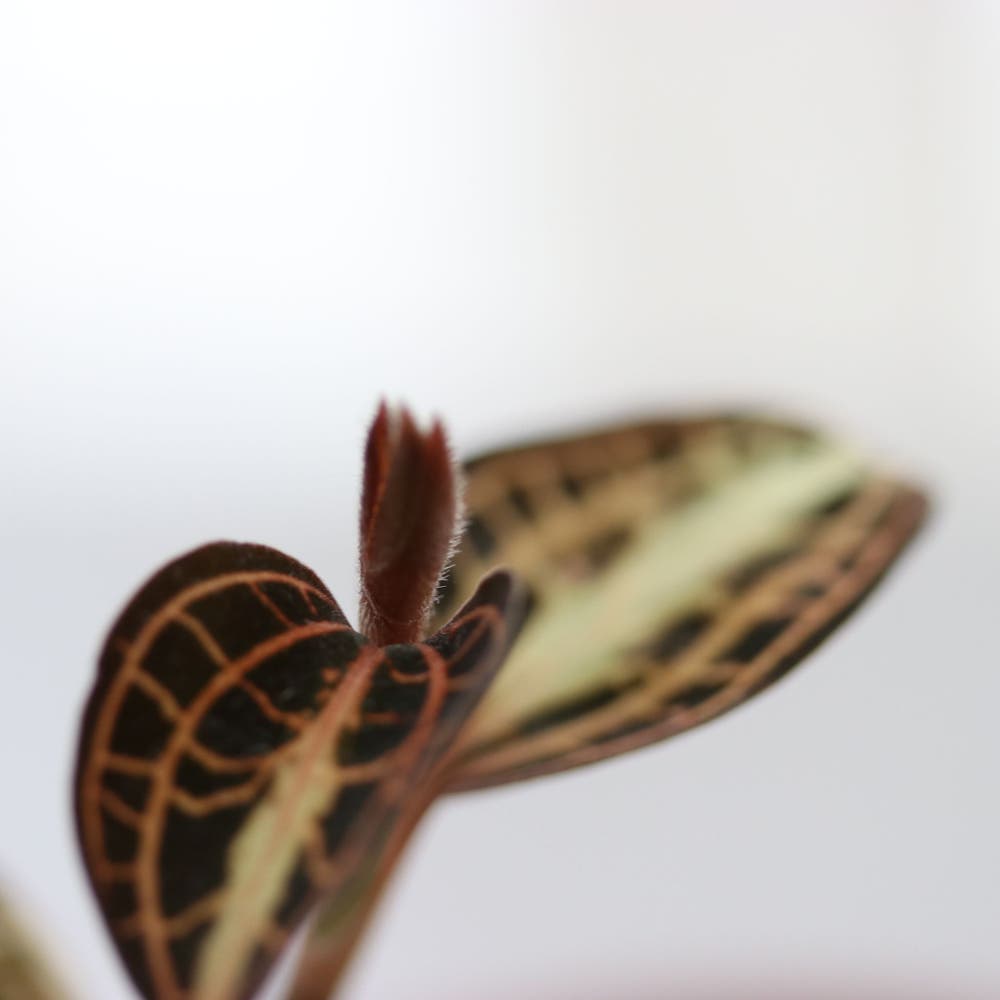
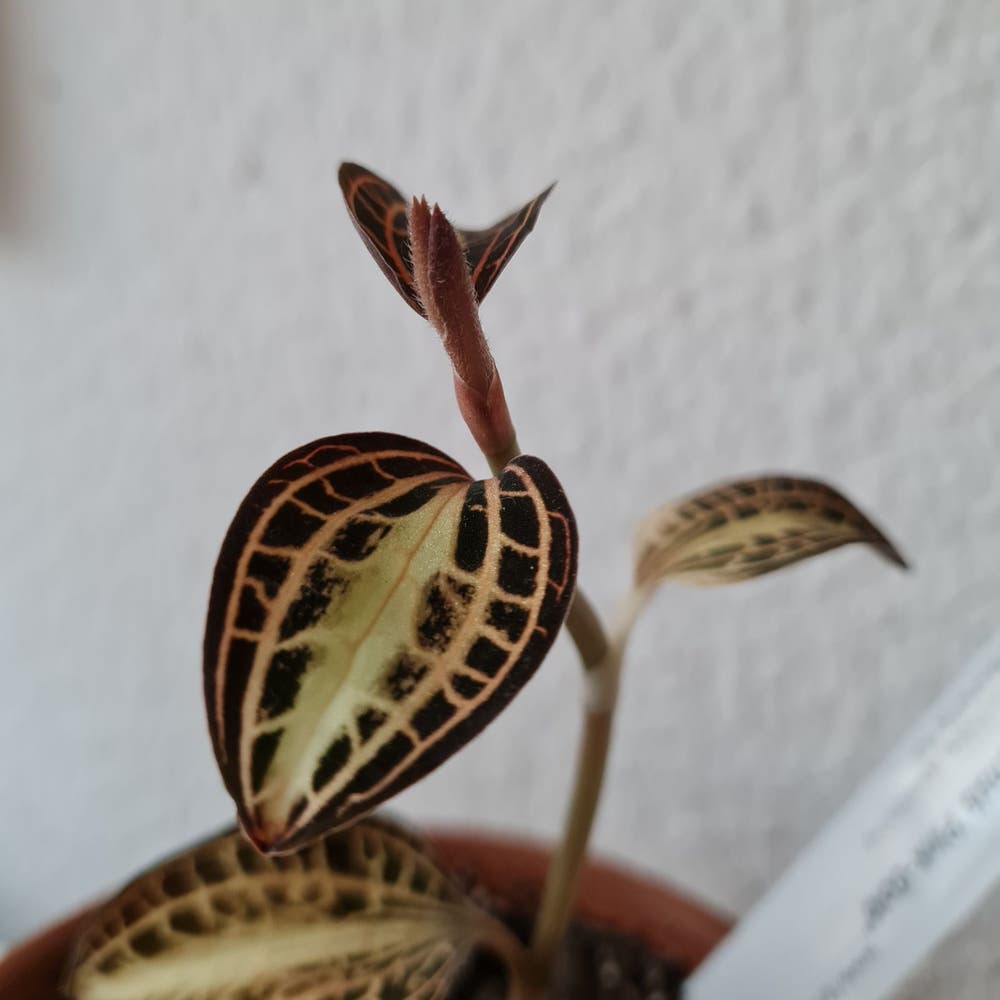
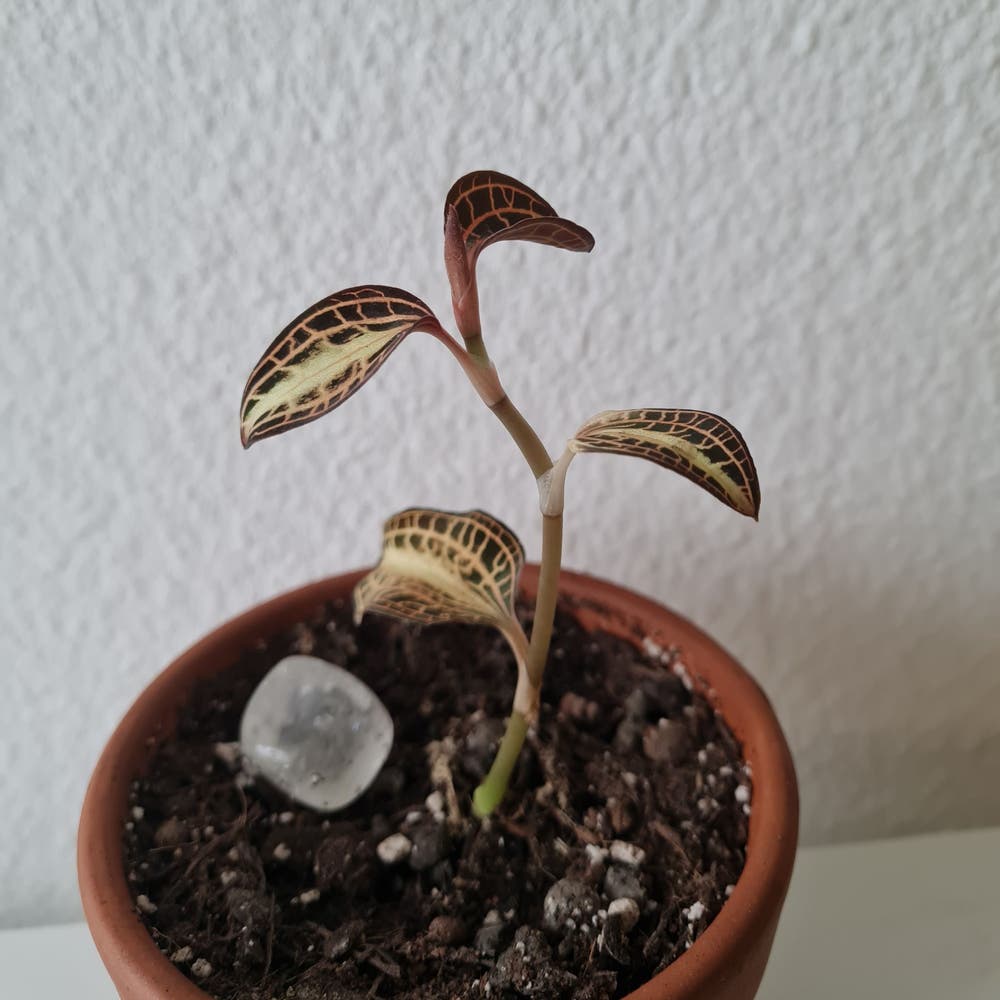
The Rosy Jewel Orchid boasts striking foliage that can elevate the beauty of any indoor space. Its vibrant colors and unique patterns make it a standout addition to your plant collection.
Air Purification 🌬️
This orchid not only looks good but also contributes to better indoor air quality. It helps filter out toxins, making your living environment healthier.
Cultural Significance 🌍
Valued in traditional medicine, the Rosy Jewel Orchid holds cultural importance in various communities. It's not just a decorative plant; it carries stories and significance that enrich your home.
Low Maintenance 🧘♀️
For those who may not have a green thumb, this orchid is a low-maintenance option. It requires minimal care compared to many other houseplants, making it perfect for busy lifestyles.
Unique Ornamental Value 🎨
Adding a Rosy Jewel Orchid to your collection introduces diversity and uniqueness. Its distinct appearance can spark conversations and admiration from guests.
These benefits make the Rosy Jewel Orchid a fantastic choice for both novice and experienced plant enthusiasts. With its beauty and ease of care, it’s a plant that truly enhances any home.
Next, let’s explore the best companion plants to pair with your Rosy Jewel Orchid for an even more vibrant indoor garden.
Companion Plants
Explanation of Companion Planting 🌱
Companion planting is the practice of growing different plants together for mutual benefits. This technique can enhance growth, deter pests, and improve overall garden health.
List of Compatible Companion Plants 🌼
When it comes to the Rosy Jewel Orchid, consider pairing it with humidity-loving companions like:
- Ferns: They thrive in similar moisture levels and can create a lush environment.
- Peace Lilies: These plants share light and humidity preferences, making them ideal partners.
These companions not only share care needs but also contribute to a more diverse and vibrant garden.
Plants to Avoid Near Rosy Jewel Orchid 🚫
It's best to steer clear of cacti and succulents. Their low water requirements clash with the Rosy Jewel Orchid's need for consistent moisture.
Discussion on Symbiotic Relationships and Garden Diversity 🌍
Companion planting fosters healthier ecosystems. By promoting diversity, you can enhance pest management and create a more resilient garden environment. This approach not only benefits your plants but also enriches your gardening experience.
As you explore companion planting, remember that the right combinations can lead to thriving plants and a flourishing garden.
Toxicity to Humans
Safety of Rosy Jewel Orchid Around Humans 🌿
The Rosy Jewel Orchid is not listed as toxic by major poison control centers, making it a safe choice for households. It’s generally considered safe for handling and even ingestion in small amounts.
While this orchid is deemed safe, it’s always wise to exercise caution with any plant. If you experience unusual symptoms after contact or ingestion, seeking medical advice is the best course of action.
This plant can be a delightful addition to your indoor garden without the worry of toxicity. Enjoy its beauty and unique characteristics while keeping a watchful eye, as you would with any plant in your home.
As we explore further, let’s dive into the edible aspects of the Rosy Jewel Orchid.
Edible
Edible Parts of Rosy Jewel Orchid 🌱
The Rosy Jewel Orchid offers delightful culinary possibilities, particularly its young leaves and shoots. However, it's important to note that the roots and mature leaves are not edible.
Identification, Harvesting, and Preparation Instructions ✂️
To enjoy the young leaves, simply use scissors to snip them off the plant. After harvesting, make sure to wash them thoroughly to remove any dirt or residues.
Nutritional Value and Health Benefits 🥗
These young leaves are not just tasty; they are also rich in antioxidants and may possess anti-inflammatory properties. Incorporating them into your diet can be a healthy choice.
Cultural Uses of Edible Parts 🍜
In some Asian cuisines, young leaves of the Rosy Jewel Orchid are valued for their flavoring qualities. They add a unique touch to various dishes, showcasing the plant's versatility beyond ornamental use.
This plant not only beautifies your space but also enriches your culinary experiences. Next, let’s explore the safety of the Rosy Jewel Orchid around pets.
Toxicity to Dogs
Safety of Rosy Jewel Orchid for Dogs 🐶
The Rosy Jewel Orchid is not listed as toxic by major pet poison control centers. This means it is generally considered safe for dogs to be around.
While the Rosy Jewel Orchid is deemed safe, it's wise to keep an eye on your pets around any plants. If you notice any unusual symptoms after contact or ingestion, consulting a veterinarian is always a good idea.
This peace of mind allows you to enjoy your beautiful orchid without worrying about your furry friends. Now, let’s explore how this plant interacts with other pets, starting with its safety for cats.
Toxicity to Cats
Safety of Rosy Jewel Orchid for Cats 🐱
The Rosy Jewel Orchid is not listed as toxic by major pet poison control centers. This means you can enjoy this beautiful plant without worrying about your feline friends.
While the Rosy Jewel Orchid is generally considered safe around cats, it's wise to keep an eye on your pets. If you notice any unusual symptoms after contact or ingestion, consult a veterinarian for peace of mind.
Conclusion 📝
In summary, the Rosy Jewel Orchid is a safe choice for cat owners looking to add a touch of greenery to their homes. Its vibrant foliage can enhance your living space without posing a risk to your furry companions.
Next, let’s explore the potential toxicity of the Rosy Jewel Orchid to dogs, ensuring that all your pets are safe around this stunning plant.
Problems
🕵️♂️ Identification and Causes of Issues
Growing a Rosy Jewel Orchid can be rewarding, but problems may arise if conditions aren't just right.
Incorrect Watering: Underwatering leads to wilting, while overwatering causes yellowing leaves.
Incorrect Light Conditions: Too much light can scorch leaves, whereas too little light results in leggy growth.
Incorrect Temperature: Extreme temperatures can cause leaf drop or stunted growth, signaling that your plant is unhappy.
🛠️ Solutions for Resolving Problems
To keep your Rosy Jewel Orchid thriving, start by adjusting your watering routine. Check the soil moisture regularly and water accordingly.
Next, ensure your plant is in a spot with the right light levels. If it's too bright or too dim, moving it can make a world of difference.
Finally, maintain a consistent temperature within the ideal range of 65°F to 80°F (18°C to 27°C). This will help your orchid flourish and avoid unnecessary stress.
By staying attentive to these factors, you can prevent common issues and enjoy a healthy, vibrant plant.
Bugs
Potential Pest Issues 🐜
Rosy Jewel Orchids can attract a few pesky pests. Keeping an eye out for these critters is essential to maintain the health of your plant.
Identification and Damage Caused by Pests 🔍
- Spider Mites: Look for fine webbing and stippled leaves. These tiny pests can cause significant damage if left unchecked.
- Mealybugs: Identified by their cotton-like masses on leaves and stems, mealybugs can weaken your orchid by sucking its sap.
Effective Treatment Options for Pest Management 💪
To combat these pests, consider using insecticidal soap or neem oil. These treatments are effective and relatively safe for your plant.
Regular inspections are crucial. Catching an infestation early can save your Rosy Jewel Orchid from severe damage.
What Eats
🐾 Common Animals That May Damage
Rosy Jewel Orchids can attract a few curious critters. Deer, rabbits, and squirrels are known to nibble on their foliage, potentially causing damage to your beloved plant.
👀 Signs of Animal Presence and Damage
Keep an eye out for signs of these munching animals. Chewed leaves, droppings, or tracks near your orchid can indicate that your plant has become a snack for local wildlife.
🚫 Methods for Deterring or Managing These Animals
To protect your orchid, consider using chemical deterrents. Commercial repellents or homemade solutions can help keep these animals at bay.
For a more organic approach, fencing around your plants or planting deterrent species nearby can also be effective. This way, you can enjoy your Rosy Jewel Orchid without worrying about unwanted visitors.
⚠️ Safety First
This content is for general information and may contain errors, omissions, or outdated details. It is not medical, veterinary advice, or an endorsement of therapeutic claims.
Always consult a qualified healthcare professional before using any plant as food, medicine, or supplement.
Never eat any plant (or feed one to pets) without confirming its identity with at least two trusted sources.
If you suspect poisoning, call Poison Control (800) 222-1222, the Pet Poison Helpline (800) 213-6680, or your local emergency service immediately.
Spotted an error? Please report it here.
Elevate your indoor space with the stunning Rosy Jewel Orchid 🌿—let Greg guide you with tailored care reminders to keep it thriving in perfect humidity and light!