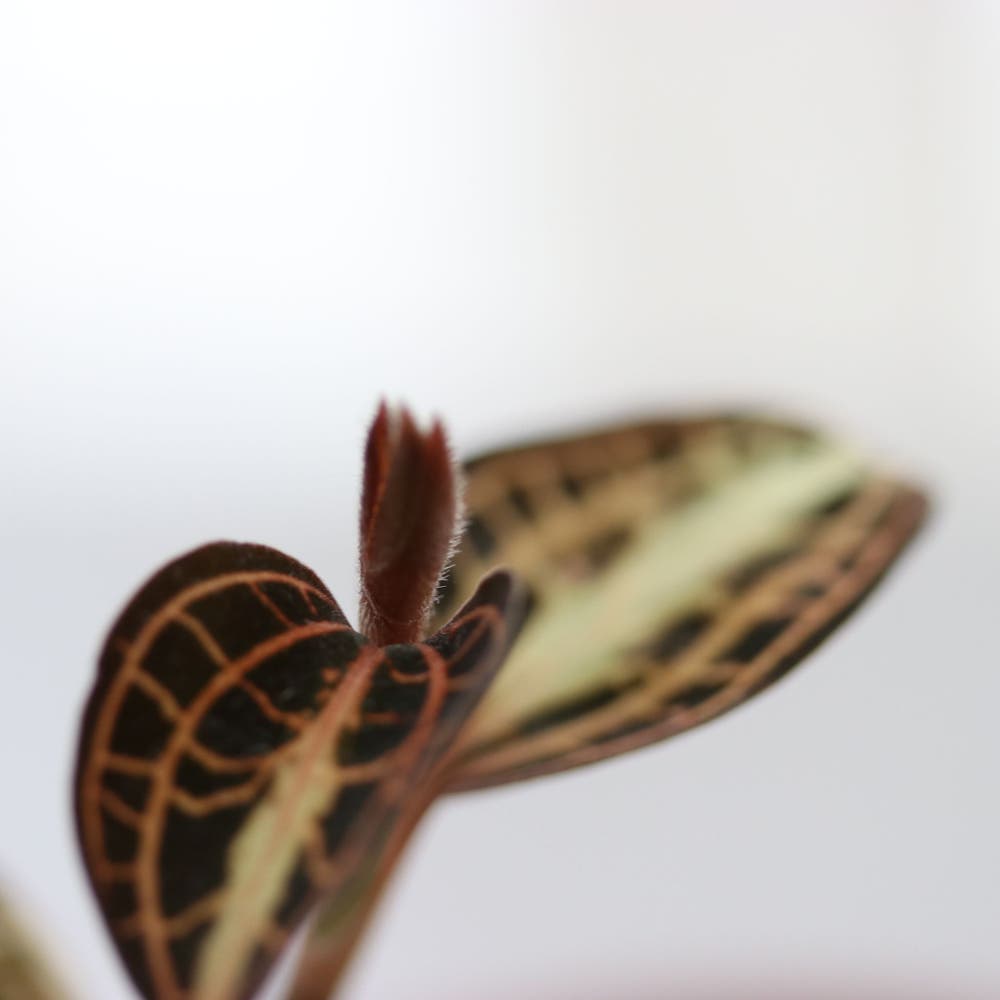
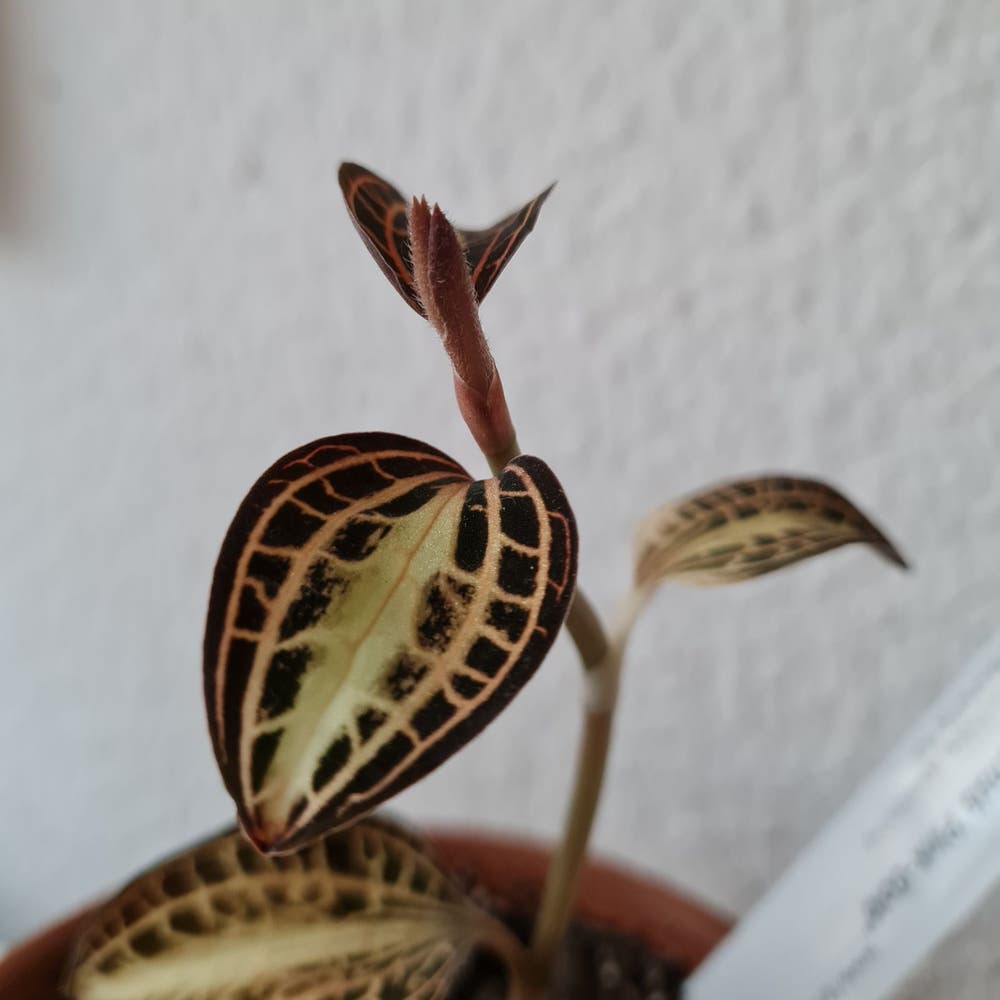
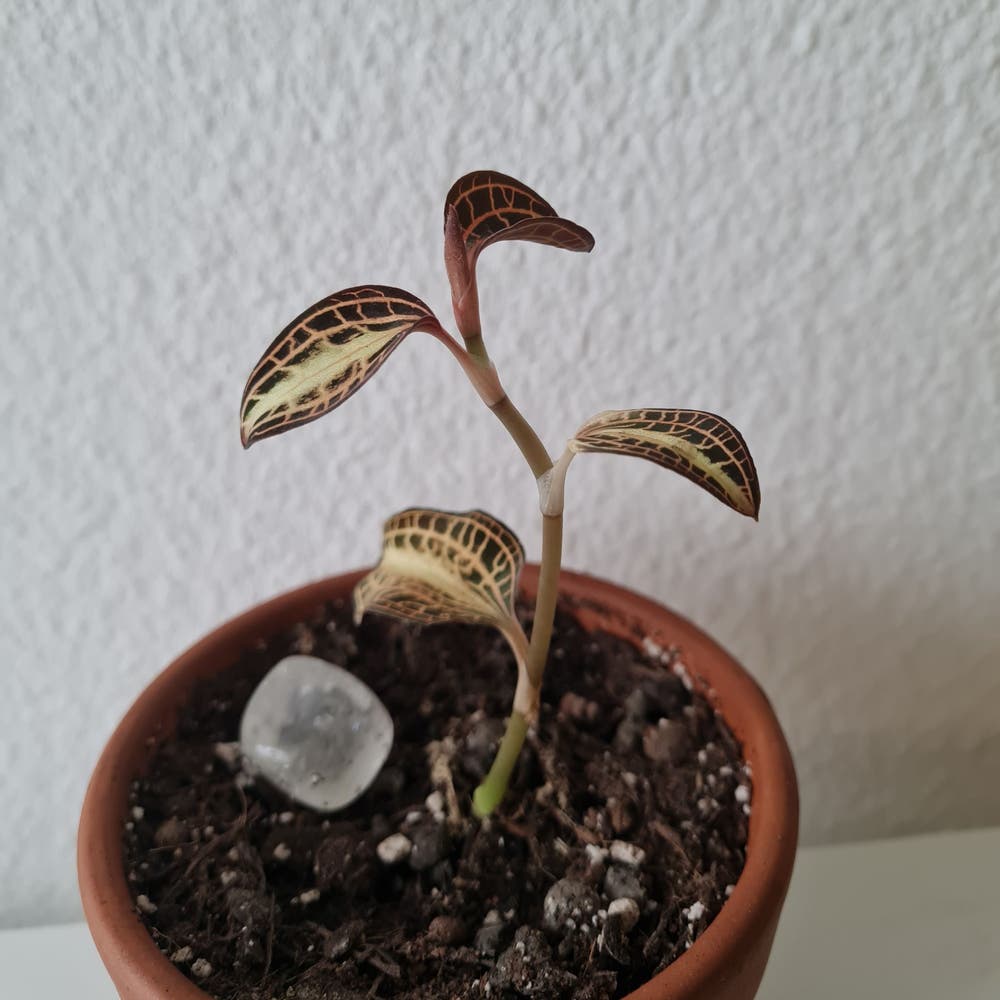
⚡ 8 Tips for How to Plant Lightning Jewel Orchid
Anoectochilus roxburghii
By the Greg Editorial Team
Sep 28, 2024•4 min read
This article was created with the help of AI so we can cover more plants for you. May contain errors. See one? Report it here.
Unlock your orchid's potential by choosing wisely between planting new or transplanting established ones! 🌱🌼
- 🌱 Spring or early summer is the best time to plant Lightning Jewel Orchids.
- 💧 Maintain humidity levels between 50-70% for optimal orchid health.
- 🌞 Provide 6-8 hours of indirect light daily to support healthy growth.
Planting New vs. Transplanting Established Orchid
💰 Key Considerations
When deciding between planting a new orchid or transplanting an established one, cost is a primary factor. New plants often come with a lower initial investment, while established orchids may require more resources but can offer quicker blooms.
Time to maturity is another crucial aspect. New orchids take time to grow and adapt, while established ones can thrive faster, provided they are given the right conditions.
Adaptability to local growing conditions is essential as well. New orchids may need extra care to acclimate, whereas established plants are often already suited to their environment, making them easier to manage.
In summary, weigh the costs, growth timelines, and adaptability when choosing between new and established orchids. This decision will set the stage for your orchid gardening journey, whether you're nurturing a fresh sprout or giving new life to a seasoned plant.
Planting New Orchid
Optimal Timing for Planting 🌱
Spring or early summer is the best time to plant your Lightning Jewel Orchid. During these seasons, the conditions are typically more favorable for growth, but always consider your local climate.
Selecting Soil Mix and Containers 🪴
For optimal growth, choose a well-draining, moisture-retentive soil mix. Containers should be appropriately sized, and always ensure they have drainage holes to prevent waterlogging.
Proper Depth and Spacing 📏
When planting, position the orchid 1-2 inches below the surface. Maintain spacing of 6-12 inches apart to allow for healthy growth and airflow.
Maintaining Ideal Growing Conditions 🌤️
Aim for humidity levels between 50-70% to keep your orchid thriving. Provide indirect light for 6-8 hours daily, and maintain a temperature range of 18°C to 24°C (65°F to 75°F).
Hardening Off Process 🛠️
Hardening off is crucial for acclimating your new orchid to outdoor conditions. Follow these steps:
- Gradually introduce the plant to outdoor conditions over 7-10 days.
- Start with a few hours of exposure, increasing daily.
- Monitor for signs of stress, such as wilting or discoloration.
By following these guidelines, you’ll set your Lightning Jewel Orchid up for success. Next, we’ll explore how to transplant established orchids effectively.
Transplanting Established Orchid
🌱 Optimal Timing for Transplanting
Transplanting your established orchid is best done in early spring or fall. Look for signs like being root-bound or showing poor growth to determine if it's time for a move.
🛠️ Step-by-Step Instructions for Transplanting
Removing the Plant
- Water the plant a day before to ease the process.
- Carefully dig around the root zone to avoid damage.
- Lift the plant, ensuring the root mass stays intact.
Preparing the New Site
- Choose a new location that offers similar growing conditions.
- Amend the soil if needed to enhance nutrient availability.
- Ensure proper drainage to prevent waterlogging.
Proper Placement and Spacing
Position the orchid at the same depth it was previously growing. Maintain a spacing of 6-12 inches between plants to allow for healthy growth.
💧 Tips for Watering, Mulching, and Support
Keep the soil moist but not soggy to promote healthy roots. Use organic mulch to retain moisture and suppress weeds. If necessary, provide support with stakes to help your orchid thrive.
Transplanting can be a rewarding experience, setting your orchid up for future success. Next, let’s dive into troubleshooting common issues that may arise after transplanting.
Troubleshooting Common Issues
🌱 Transplant Shock
Transplant shock occurs when an orchid experiences stress after being moved. Symptoms include wilting and yellowing leaves, signaling that the plant is struggling to adapt.
The primary causes of transplant shock are root disturbance and sudden environmental changes. If you notice these signs, don’t panic; your orchid may just need some time to adjust.
🏡 Establishment Problems
Establishment problems can manifest as poor growth or leaf drop. These issues often indicate that the plant isn't thriving in its new environment.
To remedy this, adjust your watering schedule and light exposure. Ensuring your orchid receives the right conditions can help it bounce back.
🚿 Common Care Issues
Overwatering is a common pitfall for orchid owners. Signs include soggy soil and yellowing leaves, which can lead to root rot if not addressed.
Humidity management is crucial for healthy orchids. Aim for levels between 50-70%, and consider using a humidity tray or misting to maintain optimal conditions.
Pest management is another essential aspect of orchid care. Keep an eye out for common pests like aphids and mealybugs, and use appropriate control methods to keep your plants healthy.
By staying vigilant and addressing these common issues, you can ensure your lightning jewel orchid thrives in its new home. Next, let’s explore how to maintain ideal growing conditions for your orchids.
⚠️ Safety First
This content is for general information and may contain errors, omissions, or outdated details. It is not medical, veterinary advice, or an endorsement of therapeutic claims.
Always consult a qualified healthcare professional before using any plant as food, medicine, or supplement.
Never eat any plant (or feed one to pets) without confirming its identity with at least two trusted sources.
If you suspect poisoning, call Poison Control (800) 222-1222, the Pet Poison Helpline (800) 213-6680, or your local emergency service immediately.
Spotted an error? Please report it here.
Plant your Lightning Jewel Orchid with confidence 🌿 by using Greg's tailored care tips and reminders to ensure it flourishes in its new home!