⚡ Lightning Jewel Orchid: A Perennial Plant
Anoectochilus roxburghii
By the Greg Editorial Team
Sep 28, 2024•6 min read
This article was created with the help of AI so we can cover more plants for you. May contain errors. See one? Report it here.
Unveil the stunning resilience of the Lightning Jewel Orchid 🌱, a perennial beauty that thrives year after year in your garden!
- 🌿 Lightning Jewel Orchid features striking green leaves with silver and purple patterns.
- 🌱 This perennial thrives for years, thanks to its robust root system and adaptability.
- 🌞 Optimal care includes humidity and stable temperatures for successful flowering and longevity.
Characteristics of Lightning Jewel Orchid as a Perennial
Unique Growth Habits 🌱
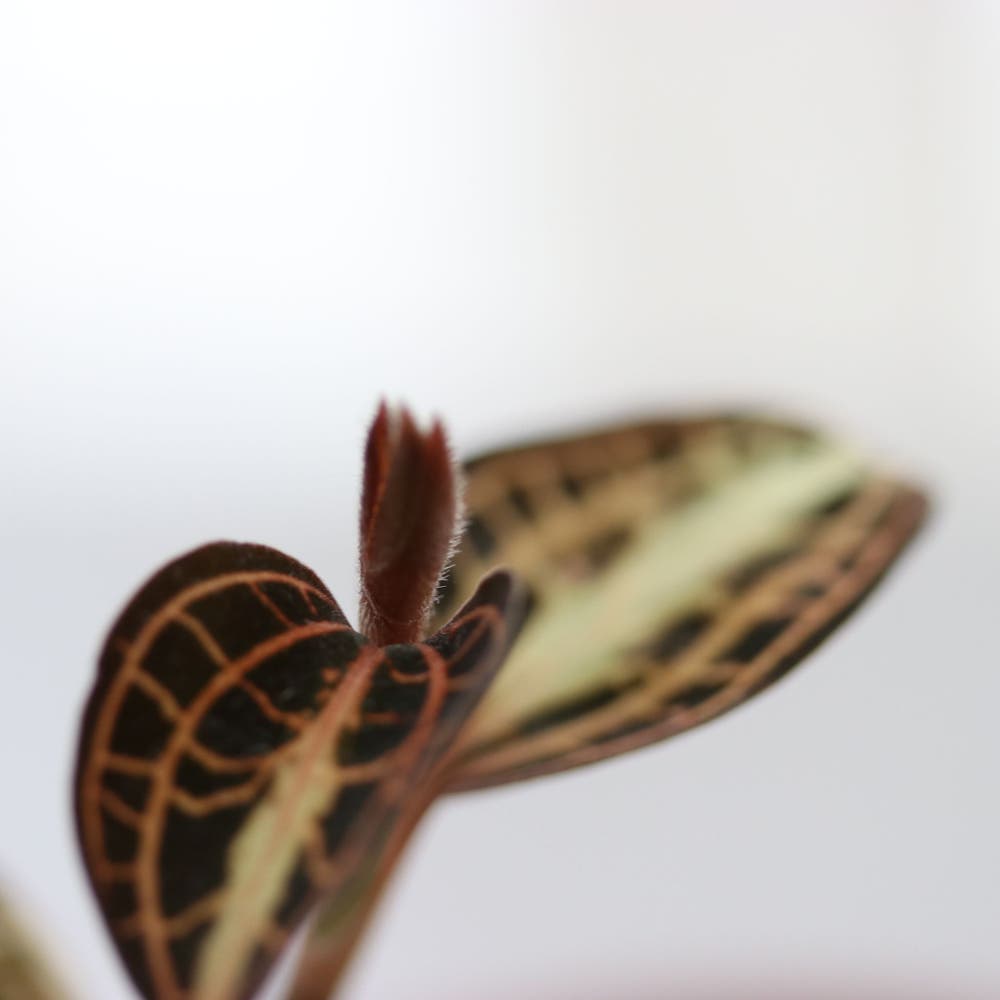
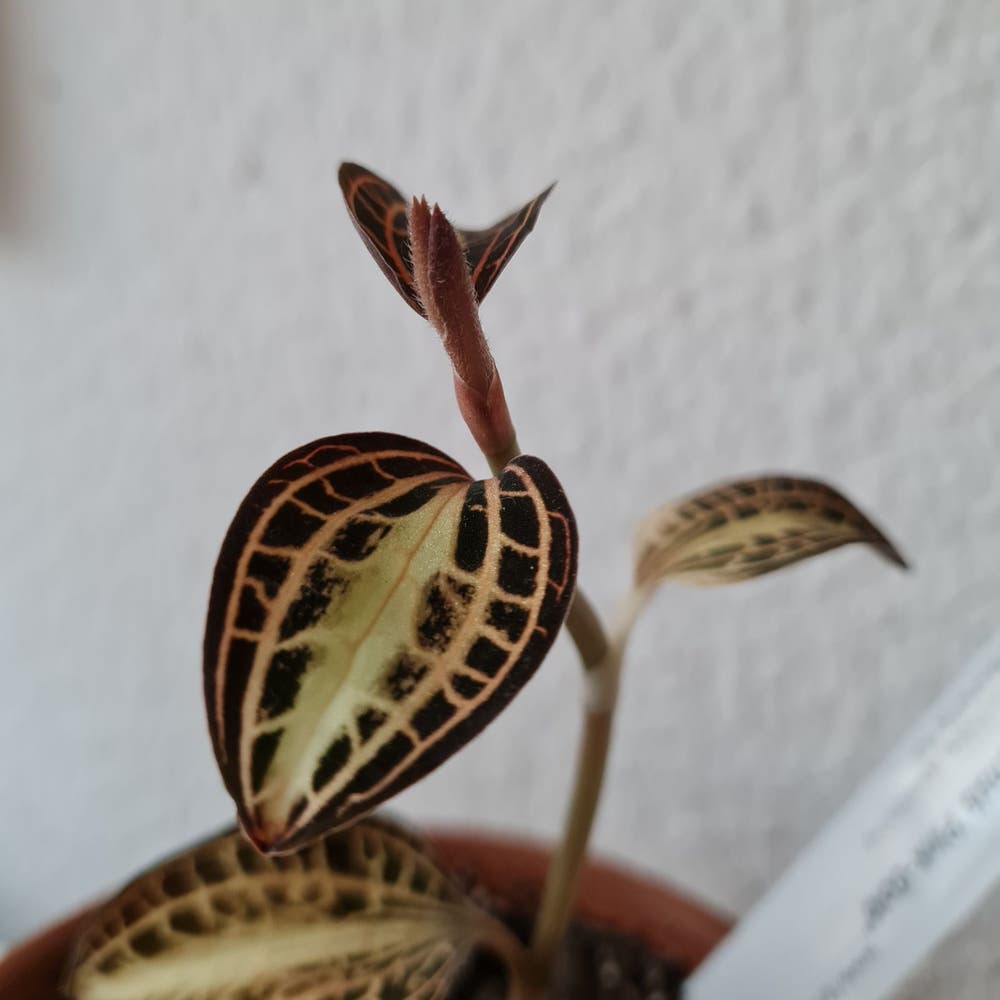
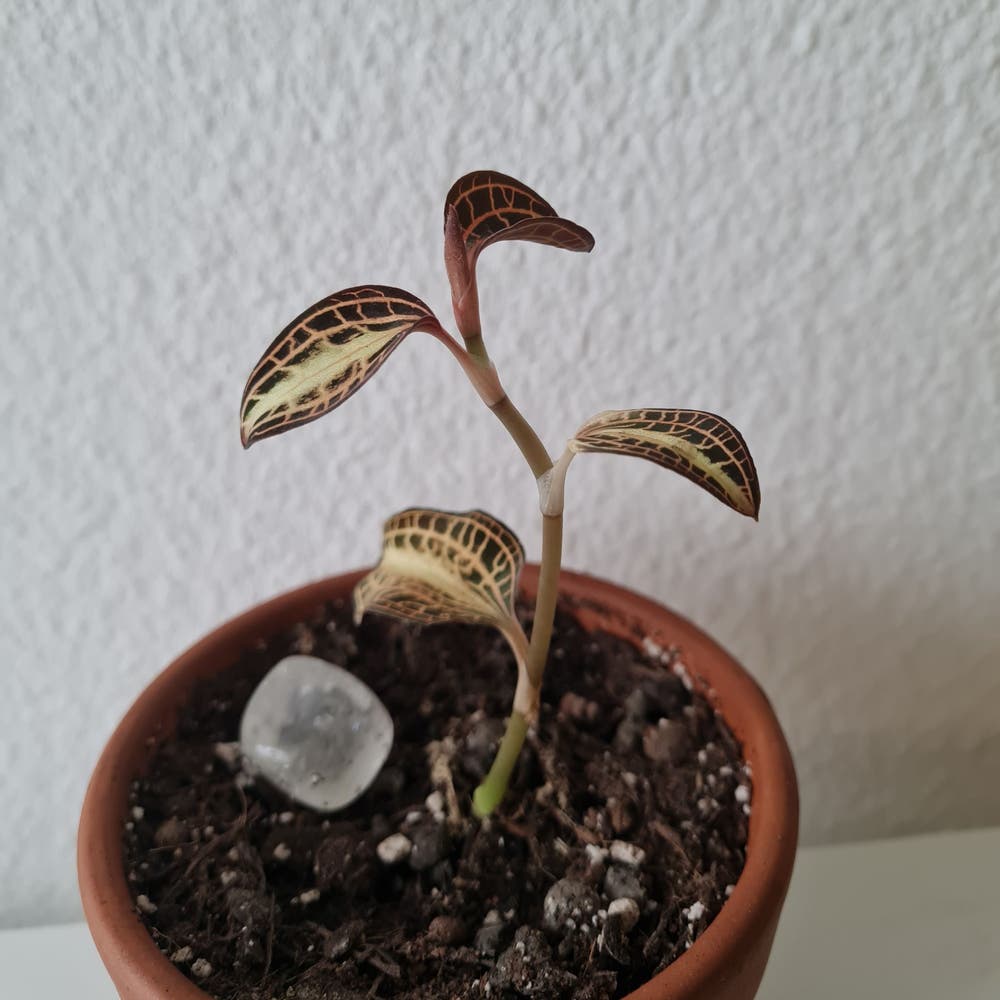
The Lightning Jewel Orchid is renowned for its striking foliage, featuring vibrant green leaves adorned with intricate patterns of silver and purple. These unique colors and designs not only make it a visual delight but also play a role in its overall health and growth.
This perennial plant boasts a multi-year lifecycle, allowing it to survive and thrive year after year. Its ability to adapt to various conditions ensures that it remains a staple in gardens, providing beauty and resilience through changing seasons.
Regrowth from Roots 🌿
One of the most impressive features of the Lightning Jewel Orchid is its resilience. Each year, it regrows from the same root system, showcasing its ability to endure and flourish despite environmental challenges.
The root system of this orchid is robust and well-structured, playing a crucial role in its perennial growth. These roots not only anchor the plant but also store nutrients, ensuring that the orchid can bounce back each season with vigor.
This combination of striking foliage and resilient roots makes the Lightning Jewel Orchid a fascinating choice for any gardener. As we explore its lifecycle and growth patterns, we’ll uncover how these characteristics contribute to its enduring beauty.
Lifecycle and Growth Patterns
🌱 Multi-Year Lifecycle
The Lightning Jewel Orchid undergoes a fascinating lifecycle that includes distinct stages: seedling, mature plant, and flowering phases. Each stage is crucial for the plant's overall health and longevity.
Typically, the timeline from germination to maturity spans several months. Seedlings emerge quickly, developing into mature plants within a year, while flowering can occur in the second year, depending on environmental conditions.
🌿 Growth Patterns and Regrowth
Seasonal growth cycles play a significant role in how the Lightning Jewel Orchid adapts to its environment. During warmer months, the plant thrives, showcasing its vibrant foliage and preparing for flowering.
Root health is vital for regrowth, as strong roots support the plant's ability to bounce back each year. Factors like soil quality, moisture levels, and nutrient availability directly impact root vitality, ensuring the orchid remains robust and ready for the next growth cycle.
Understanding these lifecycle stages and growth patterns helps gardeners appreciate the resilience and beauty of the Lightning Jewel Orchid. As we explore its flowering cycles next, we’ll see how these growth habits influence its blooming behavior.
Impact of Perennial Nature on Growth and Flowering
Flowering Cycles 🌸
The perennial nature of the Lightning Jewel Orchid significantly influences its flowering patterns. These plants typically bloom multiple times throughout the growing season, with the frequency and timing of blooms largely dependent on environmental conditions.
Key factors affecting flowering include light, humidity, and temperature. Adequate sunlight encourages vibrant blooms, while high humidity levels can enhance flower production. Conversely, extreme temperatures can hinder flowering, making it essential to maintain a stable environment.
Overall Lifespan and Longevity 🌱
Under optimal conditions, the Lightning Jewel Orchid can live for several years, showcasing its resilience as a perennial. This longevity is a testament to its robust nature and adaptability.
However, several factors influence its lifespan. Climate plays a crucial role, as extreme weather can stress the plant. Additionally, proper care practices, such as appropriate watering and fertilization, are vital for maintaining its health and extending its life. Environmental stressors, like pests and diseases, can also impact longevity, making attentive gardening essential.
As we delve deeper into the seasonal changes and dormancy periods of this fascinating plant, we’ll explore how these cycles affect its growth and overall vitality.
Dormancy and Seasonal Changes
Description of Dormancy Periods 🌱
Dormancy in the Lightning Jewel Orchid is a natural survival strategy. During this phase, the plant conserves energy, allowing it to withstand unfavorable conditions.
Signs of dormancy are quite noticeable. You'll see changes in foliage, such as yellowing leaves and reduced growth, indicating that the plant is resting.
Seasonal Changes and Their Effects on Growth 🌦️
Dry seasons significantly impact the Lightning Jewel Orchid. During these times, the plant conserves resources, slowing down its metabolic processes to survive.
When conditions improve, the plant is ready to re-emerge. Factors like increased moisture and warmer temperatures trigger this resurgence, bringing the orchid back to life with vibrant growth.
Understanding these cycles not only enhances your gardening skills but also deepens your appreciation for this resilient plant. As you observe its dormancy and revival, you'll witness the remarkable adaptability of the Lightning Jewel Orchid.
Advantages for Gardeners
🌱 Benefits of Reduced Replanting
Growing perennials like the Lightning Jewel Orchid is a smart long-term investment. Once established, these plants thrive year after year, saving you both time and money on replanting.
Additionally, they contribute significantly to biodiversity. By choosing perennials, gardeners support ecosystem stability, creating a vibrant habitat for various wildlife.
🌳 Importance of Established Root Systems
Established root systems enhance the resilience of the Lightning Jewel Orchid. Strong roots help the plant withstand environmental stresses, ensuring it remains healthy and vibrant.
Moreover, these roots play a crucial role in nutrient uptake. They access essential soil resources, promoting robust growth and overall plant vitality.
With these advantages, the Lightning Jewel Orchid not only beautifies your garden but also simplifies your gardening journey. Next, let’s explore how this perennial behaves across different climate zones.
Variations Across Climate Zones
Differences in Perennial Behavior 🌱
The Lightning Jewel Orchid showcases remarkable adaptability, thriving in both tropical and subtropical regions. Its ability to adjust to varying humidity and temperature levels allows it to flourish in diverse environments.
In tropical climates, the orchid enjoys consistent warmth and moisture, promoting vigorous growth and frequent flowering. Conversely, in subtropical regions, it may experience more pronounced seasonal changes, affecting its growth patterns and dormancy cycles.
Factors Influencing Longevity ⏳
Humidity and temperature play crucial roles in the longevity of the Lightning Jewel Orchid. Optimal conditions typically include high humidity and stable temperatures, which help sustain its health over the years.
Soil quality and care practices are equally important. Tailored care, such as well-draining soil and appropriate watering schedules, can significantly enhance the plant's resilience and overall vitality.
Understanding these factors can empower gardeners to create the ideal environment for their Lightning Jewel Orchids, ensuring they thrive for many seasons to come.
As we explore the impact of perennial nature on growth and flowering, we’ll uncover how these elements contribute to the orchid's enchanting beauty.
⚠️ Safety First
This content is for general information and may contain errors, omissions, or outdated details. It is not medical, veterinary advice, or an endorsement of therapeutic claims.
Always consult a qualified healthcare professional before using any plant as food, medicine, or supplement.
Never eat any plant (or feed one to pets) without confirming its identity with at least two trusted sources.
If you suspect poisoning, call Poison Control (800) 222-1222, the Pet Poison Helpline (800) 213-6680, or your local emergency service immediately.
Spotted an error? Please report it here.
Ensure your Lightning Jewel Orchid thrives 🌿 year after year with Greg's personalized care tips and watering reminders for a flourishing home garden!