☀️ 8 Tips for Light Requirements for Your Rebutia
Rebutia spp.
By the Greg Editorial Team
Nov 22, 2024•5 min read
This article was created with the help of AI so we can cover more plants for you. May contain errors. See one? Report it here.
Boost your Rebutia's blooms 🌼 by mastering the perfect light conditions for vibrant growth and health!
- 🌞 Rebutia thrives in 6-8 hours of bright, indirect light daily for optimal growth.
- 🌿 Signs of insufficient light include elongated stems and slow growth. Adjust exposure!
- 💡 Use grow lights in winter for consistent light, ensuring your Rebutia thrives year-round.
Importance of Light for Growth
🌞 Role of Light in Photosynthesis
Light is essential for the process of photosynthesis, where plants convert light energy into chemical energy. For your Rebutia, adequate light is crucial for maintaining overall health and vigor.
💡 Optimal Light Conditions
Most Rebutia species thrive in bright, indirect light. They can tolerate some direct sunlight, especially in cooler climates, but aim for 6-8 hours of light daily for optimal growth.
Understanding these light requirements is the first step in nurturing your Rebutia. Next, let’s explore how to create the perfect indoor light conditions for your cactus.
Indoor Light Conditions
🌟 Indoor Lighting Options
To keep your Rebutia thriving indoors, natural light is key. Position your cactus near south or west-facing windows to maximize sunlight exposure.
For those bright, sunny days, consider using sheer curtains. They help diffuse harsh sunlight while still allowing your Rebutia to soak up the light it craves.
⏳ Light Duration and Intensity
Aim for a light duration of 10-12 hours daily. This consistent exposure is crucial for your cactus's health and growth.
Monitoring light intensity is also important. If you're unsure, a light meter can help you gauge whether your Rebutia is getting the right amount of light.
🚨 Signs of Insufficient Light
Watch for signs that your Rebutia isn't getting enough light. Symptoms include elongated stems, known as etiolation, slow growth, and pale coloration.
If you notice these issues, it's time to make adjustments. Move your cactus closer to a light source or consider supplementing with grow lights to boost its light intake.
By ensuring your Rebutia receives the right indoor light conditions, you set the stage for a healthy, vibrant plant. Next, let’s explore outdoor light conditions to further enhance your cactus care.
Outdoor Light Conditions
🌞 Outdoor Sunlight Exposure
Rebutia thrives in full sun, requiring 4-6 hours of direct sunlight each day. In hotter climates, bright indirect light is a safer option to prevent sunburn on the delicate cactus surface.
🍂 Seasonal Considerations
As the seasons change, so should your Rebutia's light exposure. During spring and summer, increase sunlight exposure, while in fall and winter, reduce it to protect the plant from excessive cold and light.
Acclimatization is key when transitioning your Rebutia outdoors. Gradually introduce it to new conditions to prevent shock and ensure a smooth adjustment.
🔆 Signs of Too Much Light
Be on the lookout for signs that your Rebutia is getting too much light. Scorched or bleached patches on the cactus surface indicate it's time to adjust its environment.
To remedy this, provide shade during peak sunlight hours. This simple adjustment can help your Rebutia thrive without the risk of damage.
With the right outdoor light conditions, your Rebutia will flourish beautifully. Next, let’s explore how light impacts flowering and the best practices for ensuring vibrant blooms.
Flowering and Light Requirements
🌞 Role of Light in Flowering
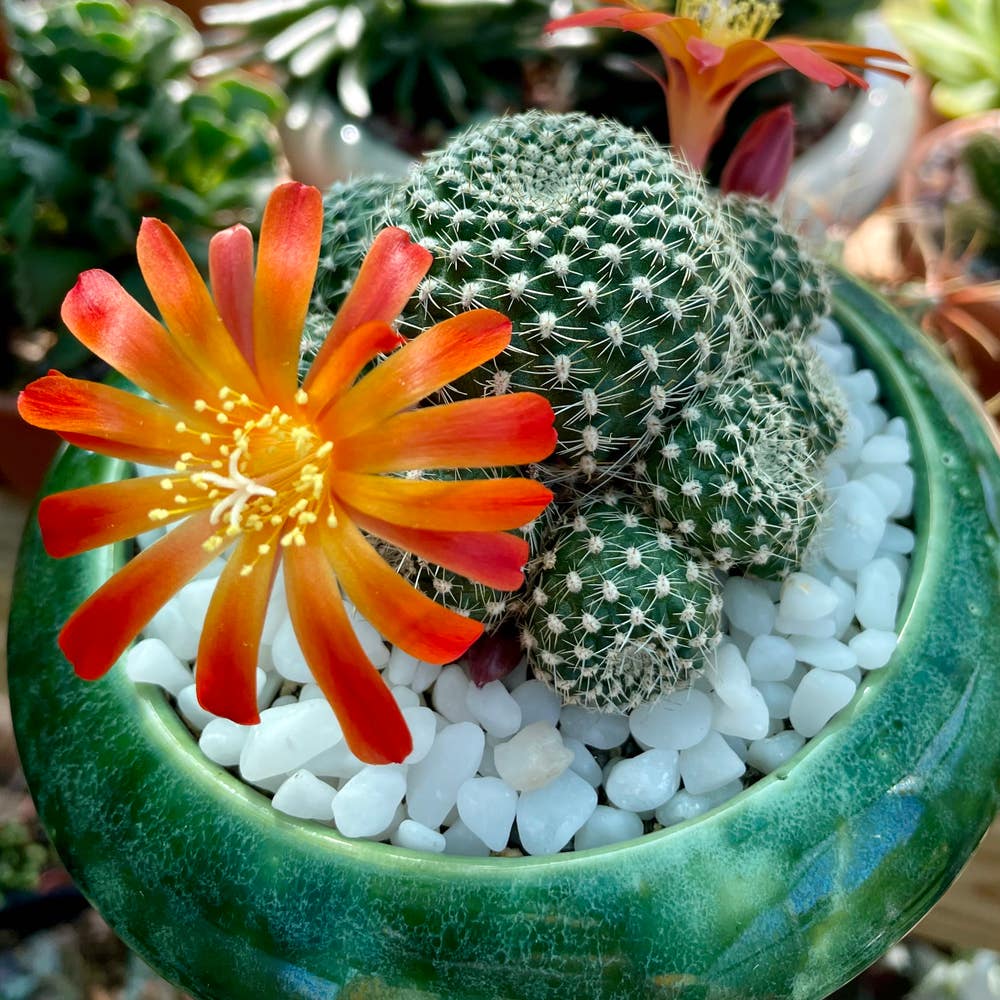
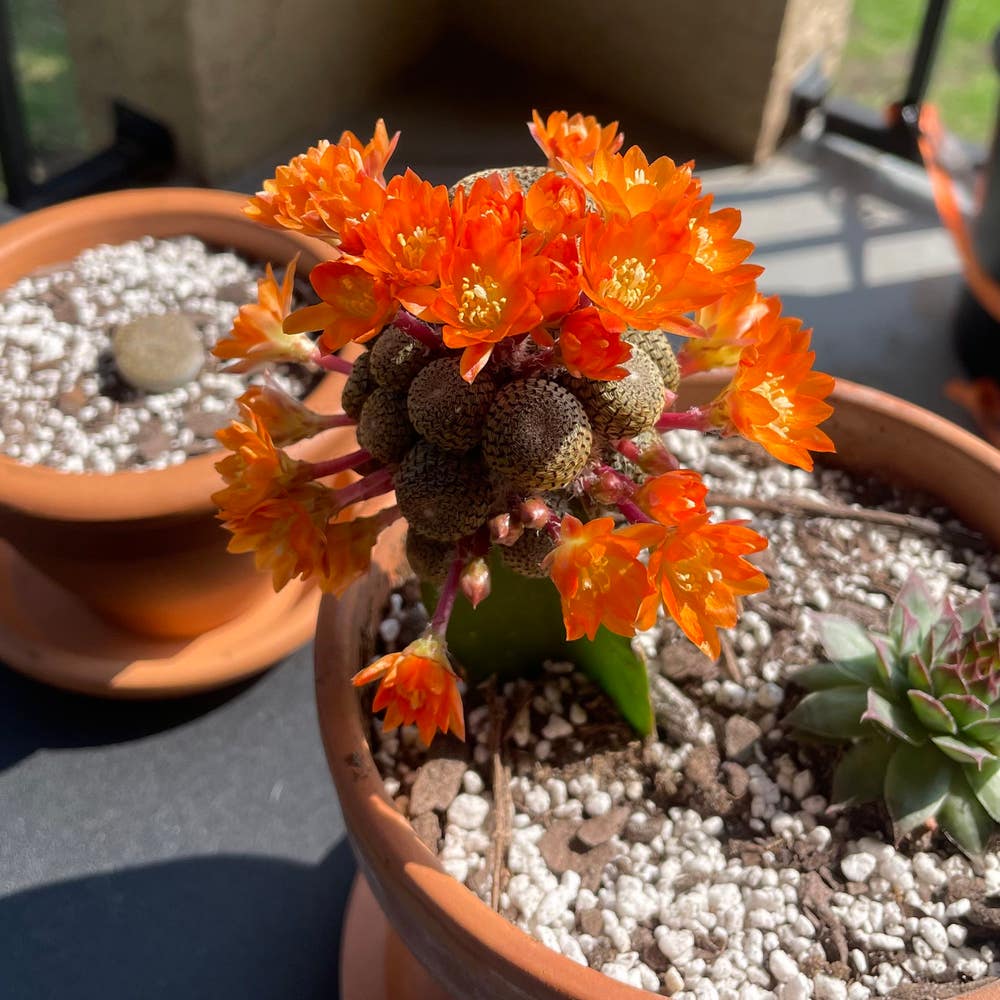
Light is crucial for the blooming process of your Rebutia. Adequate light exposure not only promotes vibrant flowers but also enhances the overall health of the plant.
Optimal light conditions can significantly increase flowering frequency. When your Rebutia receives the right amount of light, it thrives and rewards you with stunning blooms.
🌼 Flowering Conditions
To achieve the best flowering results, aim for bright, indirect light. This environment mimics the natural conditions that Rebutia species prefer, leading to more prolific flowering.
Remember, the more consistent and appropriate the light exposure, the more likely your Rebutia will showcase its beautiful flowers.
In summary, providing the right light conditions is essential for encouraging blooming in your Rebutia. Next, let’s explore how to effectively use grow lights to ensure your cactus gets the light it needs, especially during shorter days.
Using Grow Lights
🌟 Benefits of Grow Lights
Grow lights are a game changer for Rebutia enthusiasts, especially during those shorter days of winter. They provide consistent light exposure, ensuring your cacti get the energy they need to thrive.
Additionally, grow lights enhance growth and flowering by mimicking natural sunlight conditions. This means you can enjoy vibrant blooms and healthy plants year-round.
💡 Types of Grow Lights Suitable for Rebutia
When it comes to choosing grow lights, LED options are a top pick. They are energy-efficient and produce low heat, making them perfect for delicate Rebutia.
Fluorescent lights are another excellent choice, providing bright, indirect light that your cacti will love. Both types can help you create an ideal growing environment.
📏 Placement and Duration of Grow Light Exposure
For optimal results, place your grow lights 12-24 inches above your Rebutia. This distance allows for effective light distribution without overwhelming the plants.
Aim for a light duration of 10-12 hours daily to simulate natural conditions. Don’t forget to rotate your plants regularly; this ensures even light exposure on all sides, promoting balanced growth.
With the right grow lights and care, your Rebutia can flourish, bringing joy and beauty to your space. Next, let’s explore how light affects flowering in these stunning cacti.
⚠️ Safety First
This content is for general information and may contain errors, omissions, or outdated details. It is not medical, veterinary advice, or an endorsement of therapeutic claims.
Always consult a qualified healthcare professional before using any plant as food, medicine, or supplement.
Never eat any plant (or feed one to pets) without confirming its identity with at least two trusted sources.
If you suspect poisoning, call Poison Control (800) 222-1222, the Pet Poison Helpline (800) 213-6680, or your local emergency service immediately.
Spotted an error? Please report it here.
Ensure your Rebutia thrives and blooms vibrantly 🌼 by using Greg's tailored light tips and reminders to meet its specific needs!