Ultimate Guide to Fixing Droopy Leaves on Rebutia 💧
Rebutia spp.
By the Greg Editorial Team
Nov 22, 2024•5 min read
This article was created with the help of AI so we can cover more plants for you. May contain errors. See one? Report it here.
Transform your droopy Rebutia into a thriving beauty 🌵 with essential care tips to restore its health!
- 🌱 Droopy leaves indicate overwatering, underwatering, or poor drainage. Identify the cause!
- 💧 Fix overwatering by allowing soil to dry and using well-draining soil.
- ☀️ Ensure bright, indirect light and ideal temperatures for healthy Rebutia growth.
Causes of Droopy Leaves
Droopy leaves on your Rebutia can be a sign of several underlying issues. Understanding these causes is crucial for restoring your plant's health.
💧 Overwatering
Overwatering is one of the most common culprits. Excess moisture can lead to root rot, which manifests as wilting leaves even when the soil is wet.
🚰 Underwatering
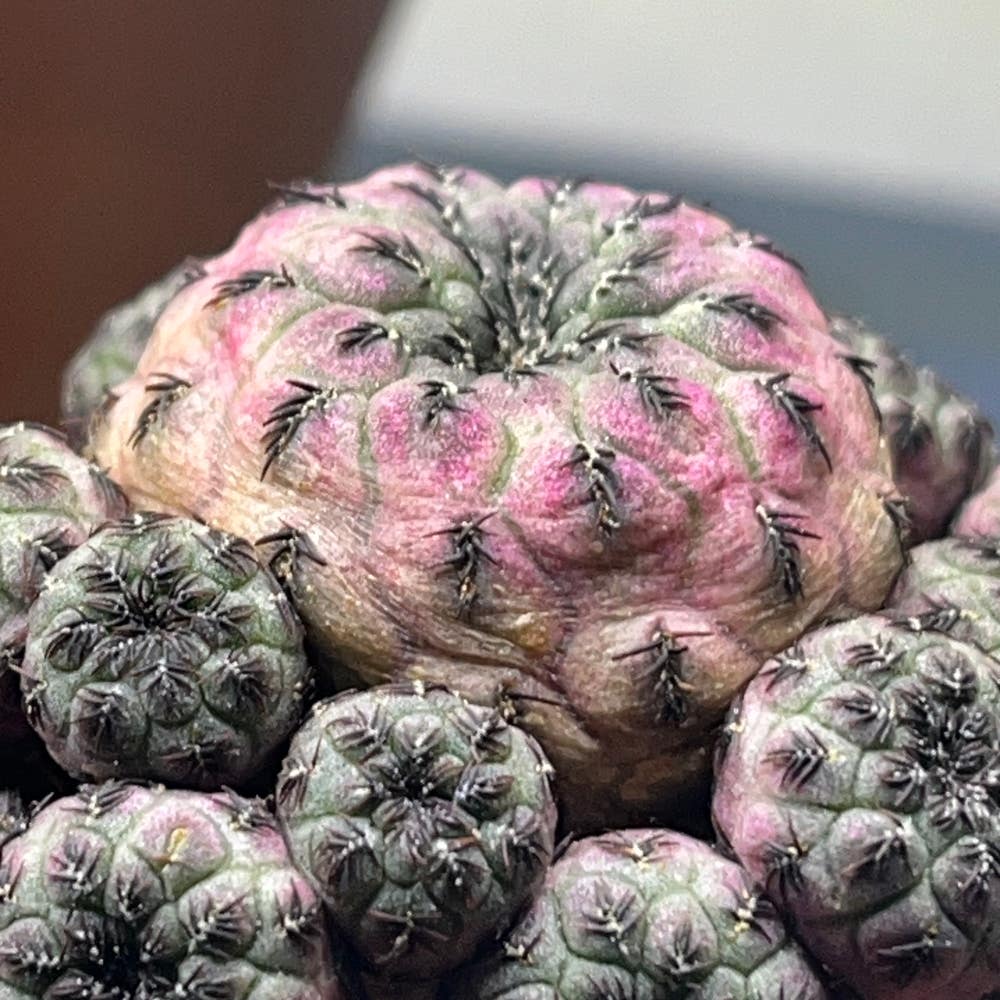
On the flip side, underwatering can also cause droopiness. Insufficient moisture results in dehydration, leading to shriveled leaves that may appear wrinkled.
🌱 Soil Drainage Issues
Soil drainage plays a vital role in your Rebutia's health. Poorly draining soil can retain too much water, exacerbating both overwatering and root rot.
🌡️ Environmental Stress
Environmental factors can significantly impact your plant's well-being. Inadequate light or extreme temperatures can stress your Rebutia, causing droopy leaves as a response.
Recognizing these causes is the first step in addressing the problem. By identifying the specific issue affecting your plant, you can take targeted action to revive its vitality.
Diagnosing the Problem
💧 Overwatering Signs and Solutions
Overwatering is a common issue for Rebutia, often leading to droopy leaves. Key signs include wilting despite wet soil and root rot symptoms, such as dark, mushy roots.
To remedy overwatering, allow the soil to dry out completely before rewatering. If root rot is present, repot the plant in well-draining soil to promote recovery.
🚰 Underwatering Signs and Solutions
Underwatering can also cause droopy leaves, with signs like leaves shriveling and becoming wrinkled. Additionally, you may notice the soil pulling away from the pot edges.
To address underwatering, establish a consistent watering schedule. Water thoroughly until excess drains out, ensuring the plant receives adequate moisture.
🏺 Soil and Drainage Issues
Well-draining soil is crucial for the health of your Rebutia. A cactus mix or a blend of potting soil and perlite is recommended for optimal growth.
If you encounter drainage issues, consider adding perlite or sand to improve soil aeration. Always ensure your pots have drainage holes to prevent water retention.
🌞 Environmental Stress Factors
Rebutia thrives in bright, indirect sunlight. If the plant is stretching or leaning towards light sources, it may not be receiving enough light.
Temperature is another critical factor, with an ideal range of 20°C to 30°C (68°F to 86°F). Signs of temperature stress include leaf discoloration or droopiness, indicating that adjustments may be necessary.
By diagnosing these issues accurately, you can take the necessary steps to restore your Rebutia's health and vitality. Next, we will explore effective treatment and recovery strategies to bring your plant back to life.
Treatment and Recovery
Step-by-Step Guide to Fixing Droopy Leaves 🌱
Fixing droopy leaves on your Rebutia requires a systematic approach. Start by assessing your watering schedule; check the soil moisture levels to determine if your plant is overwatered or underwatered.
Next, adjust your watering practices accordingly. For overwatered plants, reduce the frequency and allow the soil to dry out completely. Conversely, if your plant is underwatered, gradually increase the watering frequency until it stabilizes.
Improving soil drainage is crucial for recovery. If necessary, repot your Rebutia with a suitable cactus mix that promotes drainage. Additionally, consider adding materials like perlite to enhance aeration.
Finally, adjust the environmental conditions. If your plant isn't getting enough light, move it to a brighter location. Ensure that the temperature remains within the ideal range of 20°C to 30°C (68°F to 86°F) to support healthy growth.
Adjusting Watering Practices 💧
Establishing a consistent watering schedule is vital for your Rebutia's health. During the growing season, aim to water every 2-3 weeks, allowing the soil to dry out between waterings.
As the seasons change, remember to reduce the watering frequency in winter months. This adjustment helps prevent overwatering during the plant's dormant phase.
Improving Soil Drainage 🚰
Enhancing soil drainage can significantly impact your Rebutia's recovery. Use pots with drainage holes to allow excess water to escape, preventing root rot.
Mixing in coarse materials, such as sand or perlite, to your potting soil can also improve drainage. This combination ensures that your plant's roots receive the oxygen they need to thrive.
Environmental Adjustments 🌍
Making environmental adjustments can further support your Rebutia's recovery. For light, position your plant near a south or west-facing window to provide bright, indirect sunlight.
Temperature adjustments are equally important. Avoid placing your Rebutia in drafty areas or near sources of extreme temperature fluctuations. Keeping your plant in a stable environment will help it bounce back from droopiness.
By following these steps, you can effectively treat and recover your Rebutia from droopy leaves, ensuring it remains a vibrant addition to your plant collection. Next, let's explore some preventative measures to keep your Rebutia healthy and thriving.
Preventative Measures
🌱 Best Practices for Rebutia Care
To keep your Rebutia thriving, regularly check soil moisture levels using a moisture meter. This simple tool helps you avoid the pitfalls of overwatering and underwatering.
Maintaining a consistent watering schedule based on seasonal changes is crucial. During the growing season, your Rebutia will appreciate a little more attention, while in dormancy, less is more.
🌼 Seasonal Care Tips to Prevent Droop
In spring and summer, increase watering frequency as growth resumes. Your Rebutia will be actively growing and will need that extra hydration to flourish.
As fall and winter approach, reduce watering to accommodate the plant's dormancy. This adjustment helps prevent droopy leaves and keeps your cactus healthy.
🔍 Regular Monitoring and Maintenance
Conduct weekly visual inspections for signs of droopiness or stress. Catching issues early can save your plant from more serious problems down the line.
Additionally, perform monthly checks on soil moisture and drainage conditions. This proactive approach ensures your Rebutia remains in optimal health, ready to brighten your space.
By implementing these preventative measures, you can enjoy a vibrant and resilient Rebutia. Next, let’s explore how to treat and recover your plant if it shows signs of distress.
⚠️ Safety First
This content is for general information and may contain errors, omissions, or outdated details. It is not medical, veterinary advice, or an endorsement of therapeutic claims.
Always consult a qualified healthcare professional before using any plant as food, medicine, or supplement.
Never eat any plant (or feed one to pets) without confirming its identity with at least two trusted sources.
If you suspect poisoning, call Poison Control (800) 222-1222, the Pet Poison Helpline (800) 213-6680, or your local emergency service immediately.
Spotted an error? Please report it here.
Ensure your Rebutia stays perky 🌵 by using Greg's tailored watering reminders and moisture checks to keep those droopy leaves at bay!