🌸 Ultimate Guide to Rebutia Flowers
Rebutia spp.
By the Greg Editorial Team
Nov 22, 2024•5 min read
This article was created with the help of AI so we can cover more plants for you. May contain errors. See one? Report it here.
Unlock the secret to vibrant Rebutia blooms 🌸 and transform your garden into a colorful oasis!
- 🌼 Rebutia flowers bloom in vibrant colors like red, yellow, and orange, enhancing gardens.
- 🌞 Adequate sunlight and well-draining soil are crucial for healthy Rebutia growth and blooms.
- 🌱 Self-pollination simplifies reproduction, ensuring Rebutia thrives even in tough conditions.
Flower Characteristics
Description of Colors and Structure 🌈
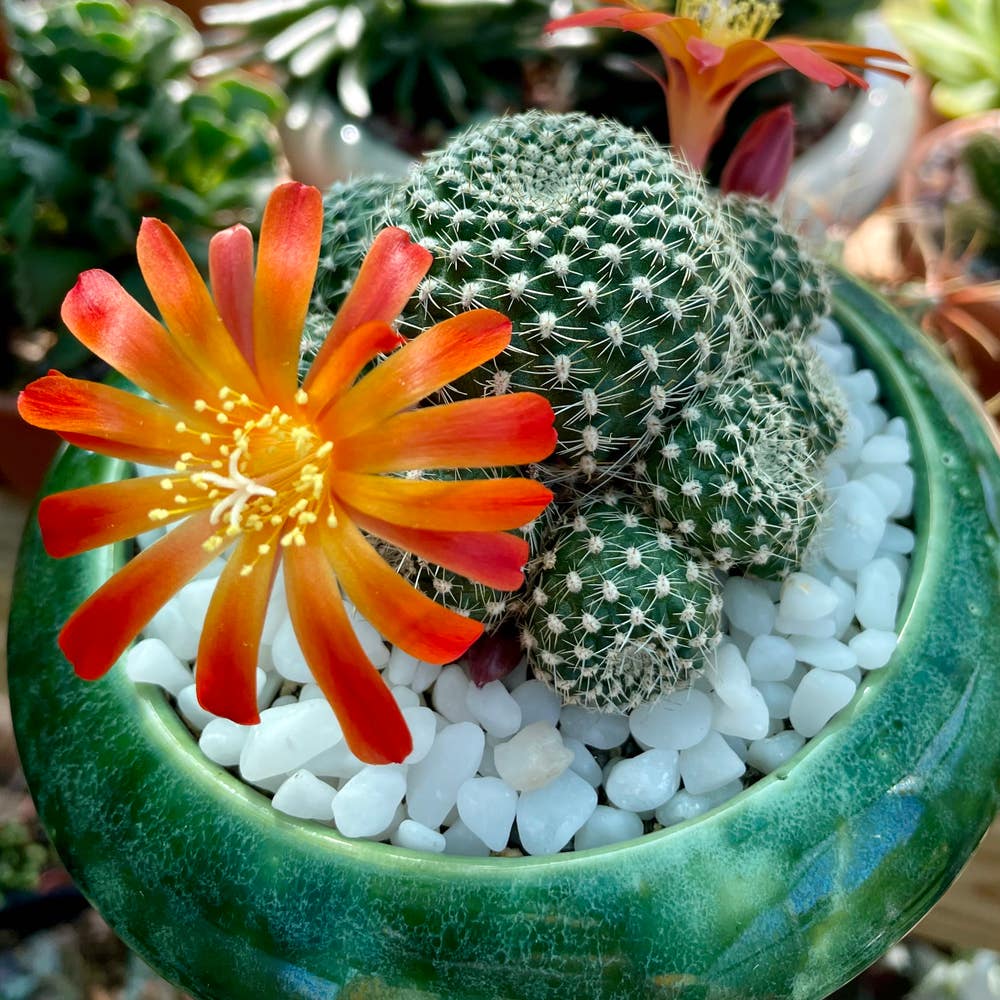
Rebutia flowers are a vibrant spectacle, showcasing common colors like red, yellow, and orange. Each species brings its own unique variations, making them a delightful addition to any collection.
The structure of these flowers is equally captivating. They are funnel-shaped and emerge gracefully from the top of the plant. Typically, these blooms are small, ranging from 1 to 3 inches in diameter, which adds to their charm.
Self-Pollination vs. External Pollination 🐝
Most Rebutia species have the remarkable ability to self-pollinate. This trait simplifies reproduction, ensuring that these resilient plants can thrive even in less-than-ideal conditions.
However, some species may benefit from cross-pollination. This process can enhance seed production and promote genetic diversity, leading to healthier and more robust plants.
With such fascinating characteristics, Rebutia flowers not only brighten up your space but also showcase nature's ingenuity. Next, let’s explore the blooming process and what it entails for these stunning plants.
Blooming Process
🌸 Blooming Stages and Typical Bloom Time
The blooming process of Rebutia flowers unfolds in distinct stages: bud formation, opening, full bloom, and wilting. Typically, these vibrant blooms grace us in spring and early summer, though the exact timing can vary by species.
⏳ Duration from Bud Formation to Full Bloom
From the moment buds form, it usually takes about 2 to 4 weeks for them to reach full bloom. This gradual transformation is a testament to the plant's natural rhythm and patience.
🌼 Lifespan of Flowers After Blooming
Once in full bloom, Rebutia flowers typically last between 3 to 7 days before wilting. Their lifespan can be influenced by environmental conditions, particularly temperature and humidity, which play a crucial role in how long these beauties remain vibrant.
Understanding the blooming process not only enhances your appreciation of Rebutia flowers but also helps you care for them better. With the right conditions, you can enjoy their stunning displays year after year.
Encouraging Blooms
Tips on How to Encourage Blooming 🌸
To get your Rebutia flowers to bloom beautifully, start by providing adequate sunlight. Aim for 6-8 hours of direct sunlight daily to ensure they thrive.
Next, maintain proper watering habits. Allow the soil to dry out completely between waterings to prevent root rot and encourage healthy growth.
Fertilization is also key. Use a balanced cactus fertilizer during the growing season to give your plants the nutrients they need for vibrant blooms.
Factors Influencing Flowering 🌡️
Temperature plays a significant role in flowering. The ideal range for Rebutia is between 20°C to 30°C (68°F to 86°F), so keep them in a warm environment.
Soil conditions are equally important. Ensure you use well-draining soil to promote healthy growth and blooming, as this prevents water from accumulating around the roots.
By following these tips and understanding the factors that influence flowering, you can create the perfect conditions for your Rebutia to flourish. With the right care, you’ll be rewarded with stunning blooms that brighten up any space.
As we move forward, let’s explore what happens after the flowering period and how to care for your Rebutia once the blooms have faded.
Post-Flowering Care
What Happens After the Flowering Period 🌸
Once the vibrant flowers of your Rebutia have bloomed, they will eventually wilt and fall off. This natural process leaves behind the plant's structure, signaling the start of a resting phase.
During this resting phase, your Rebutia will require less water and nutrients. It's essential to adjust your care routine to ensure the plant conserves energy for future growth.
Discussion on Whether Rebutia Dies After Flowering 🤔
A common misconception is that Rebutia dies after flowering, but that's far from the truth. These resilient plants can continue to thrive and produce blooms in subsequent seasons, making them a rewarding addition to any collection.
By understanding the post-flowering care, you can help your Rebutia flourish year after year. With the right attention, your plant will be ready to dazzle you with its blooms again in no time.
As we move forward, let's explore the unique aspects of flowering that make Rebutia truly special.
Unique Aspects of Flowering
🌸 Unusual Characteristics Related to Flowering
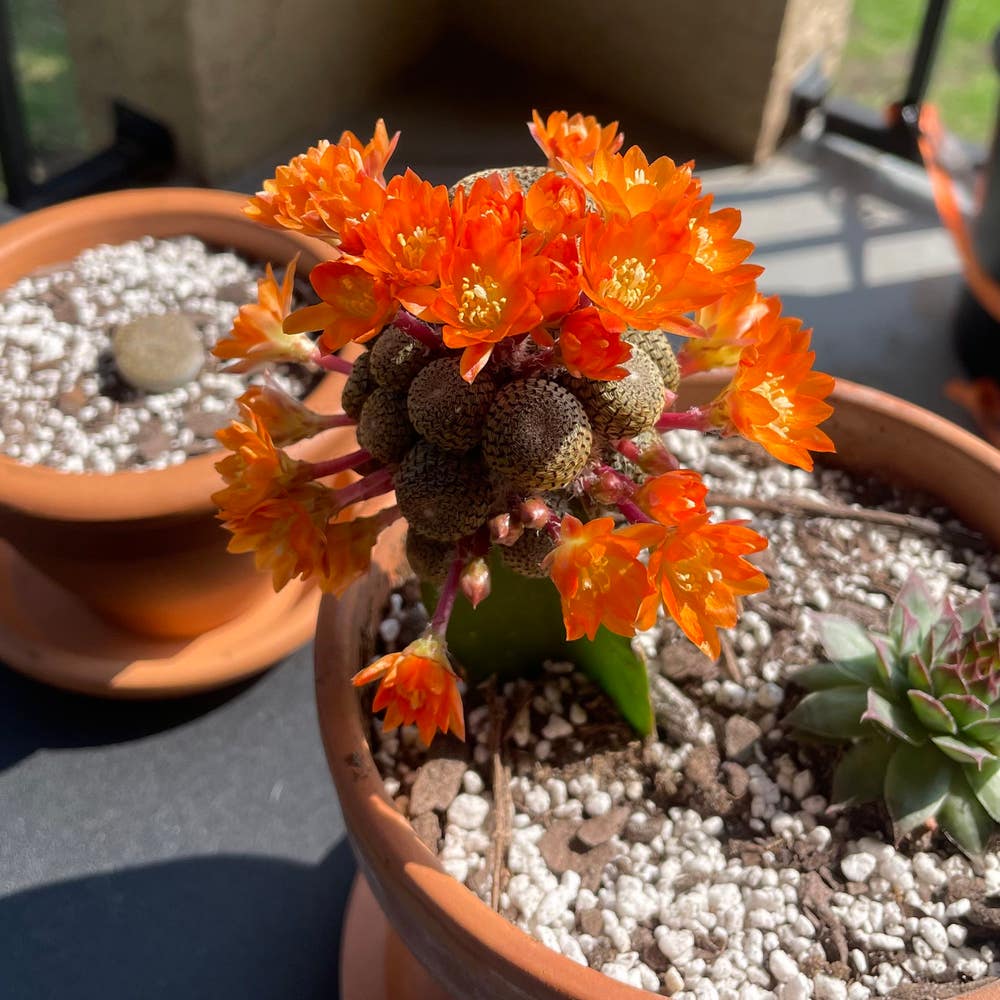
Rebutia flowers are truly a sight to behold. Some species can produce multiple flowers simultaneously, creating a stunning display that can brighten any space.
This ability to bloom in abundance not only enhances their visual appeal but also makes them a favorite among cactus enthusiasts. Imagine a vibrant cluster of reds, yellows, and oranges all bursting forth at once!
🌼 Interesting Facts about Rebutia's Reproductive Strategy
One of the most fascinating aspects of Rebutia is its self-pollination capability. This trait allows these resilient plants to thrive even in less-than-ideal conditions, ensuring their survival and reproduction.
Additionally, variations among species lead to unique flowering characteristics. This diversity is what makes Rebutia so appealing to collectors, as each species can offer something different and exciting.
In summary, Rebutia's unique flowering traits and reproductive strategies not only contribute to their beauty but also highlight their adaptability. As we move forward, let’s explore how to encourage these stunning blooms in your own garden!
⚠️ Safety First
This content is for general information and may contain errors, omissions, or outdated details. It is not medical, veterinary advice, or an endorsement of therapeutic claims.
Always consult a qualified healthcare professional before using any plant as food, medicine, or supplement.
Never eat any plant (or feed one to pets) without confirming its identity with at least two trusted sources.
If you suspect poisoning, call Poison Control (800) 222-1222, the Pet Poison Helpline (800) 213-6680, or your local emergency service immediately.
Spotted an error? Please report it here.
Transform your garden with vibrant Rebutia blooms 🌼 by using Greg's tailored watering reminders and care tips to keep your plants thriving season after season!