🌵 Why Are My Rebutia krainziana Leaves Falling Over?
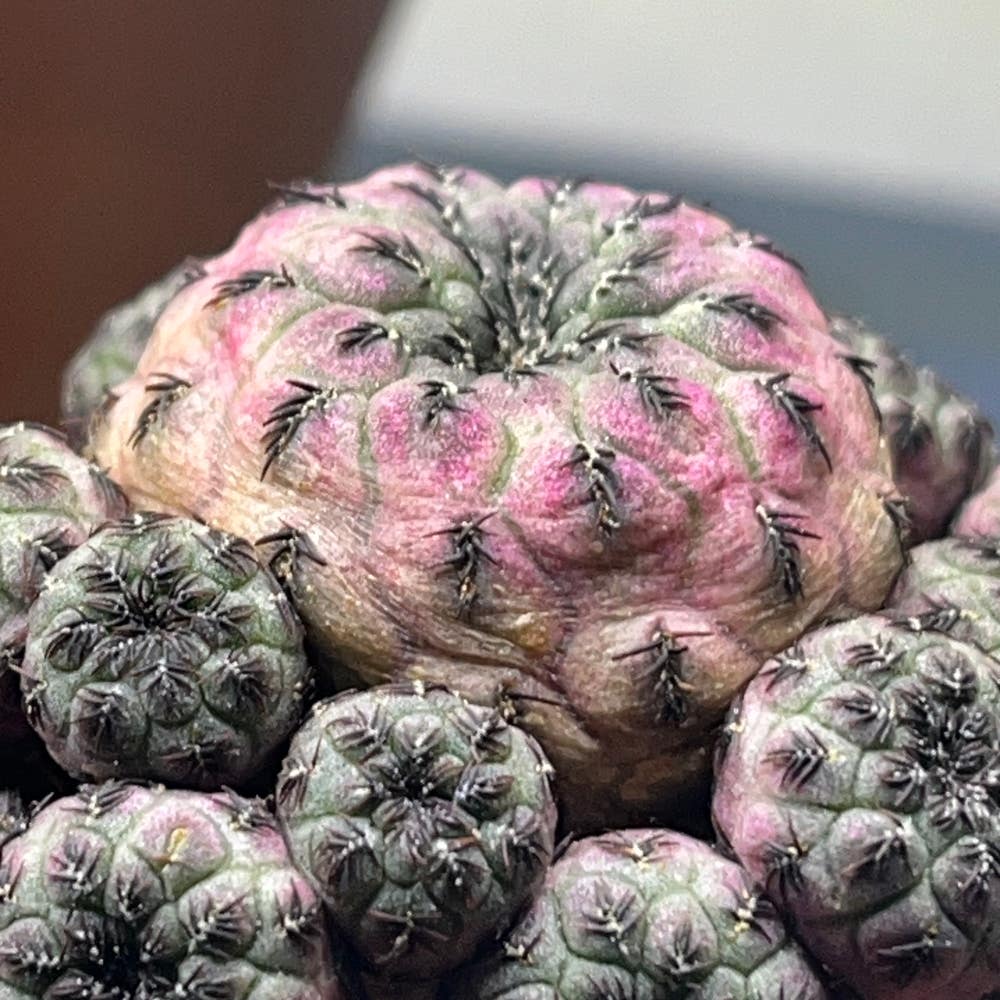
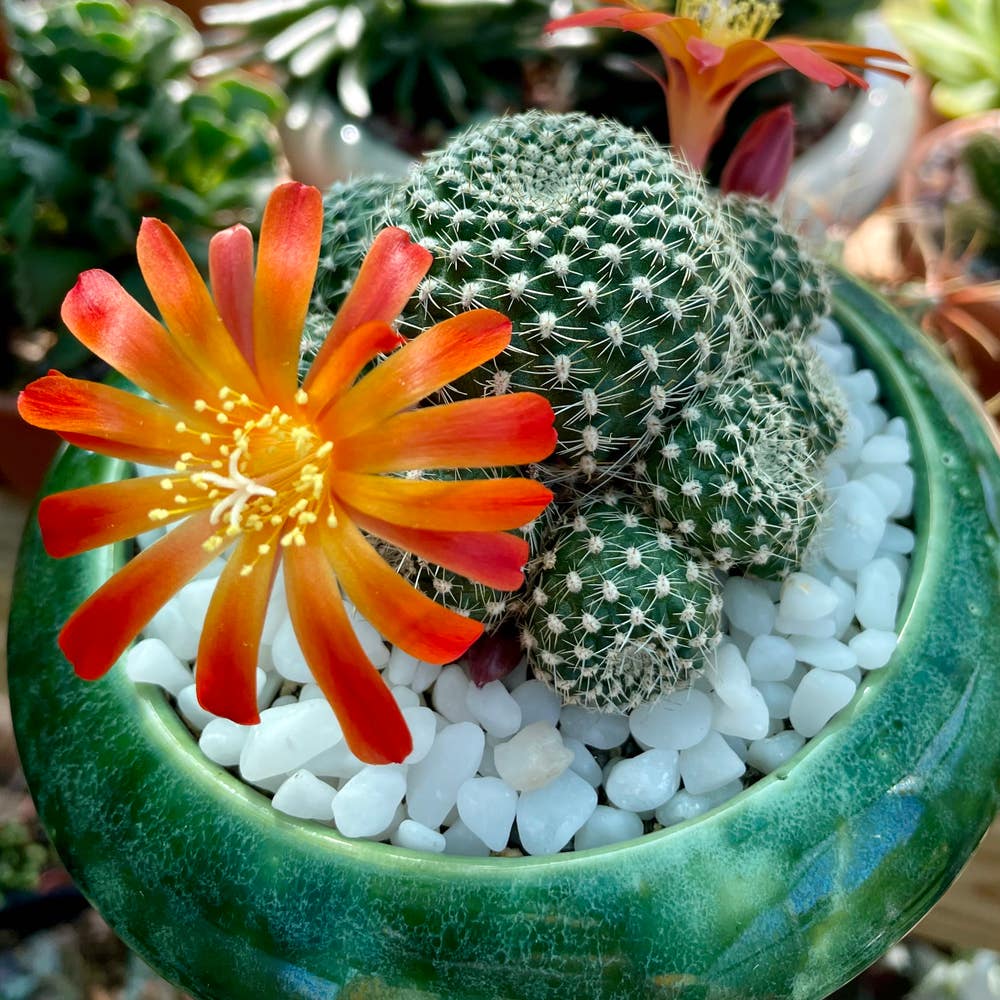
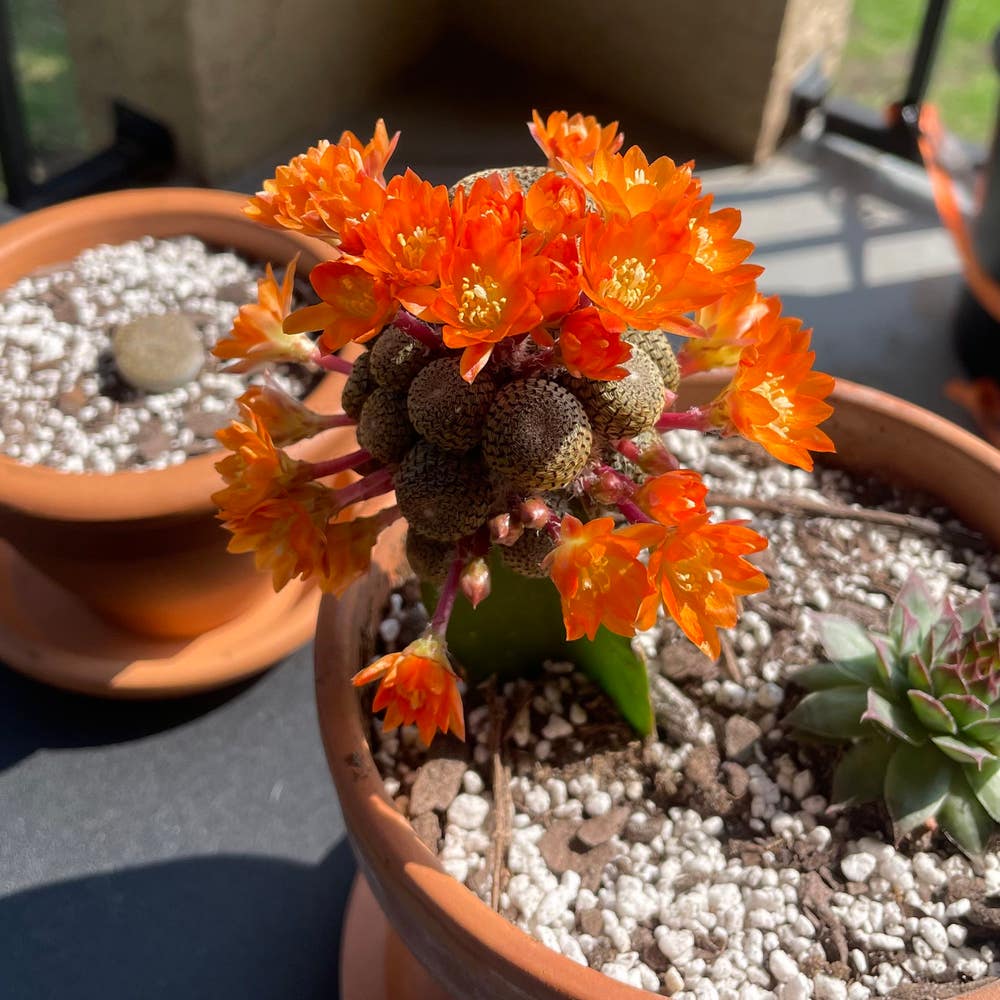
Rebutia minuscula var. minuscula
By the Greg Editorial Team
Feb 14, 2024•5 min read
This article was created with the help of AI so we can cover more plants for you. May contain errors. See one? Report it here.
Prevent your Rebutia's droop and master its care for lasting leaf perkiness! 🌵
- Overwatering causes yellow leaves; let soil dry out.
- Underwatering leads to crispy leaves; water deeply on schedule.
- Proper light and drainage are essential for healthy Rebutia krainziana.
When Water Woes Weigh Down Your Rebutia
💧 Too Much H2O? Here's the Fix
Overwatering can turn your Rebutia krainziana into a droopy mess. Yellow leaves and a musty smell are your red flags. To fix this, first, stop watering. Let the soil channel its inner desert. If it's more swamp than sand, consider repotting with dry, fresh soil. Always water at the base to avoid soggy leaves.
Ensure your pot has drainage holes. Without them, you're setting up a pool party for root rot. Cut back on the H2O and watch for the soil to dry out between watering sessions. Remember, less is often more.
🏜️ Thirsty for a Drink: The Underwatering Paradox
Underwatering symptoms include leaves that are as crispy as autumn leaves. If the soil is bone dry, it's time to give your plant a drink. But don't turn it into a flood; think slow and steady. Water deeply and let the roots soak it up.
Consistency is key. Set a regular watering schedule to avoid the extremes. Use the finger test: if the top inch of soil is dry, it's time to water. This way, you're giving your Rebutia just the right amount of hydration without drowning it in love.
Soil Secrets: The Foundation of Firm Leaves
🌱 Drainage or Danger: Balancing the Soil Situation
Drainage is the unsung hero in the succulent saga. Without it, you're basically giving your Rebutia krainziana an underwater experience it never signed up for.
Root rot sneaks in when the soil is more swamp than sanctuary. To check if your soil is the culprit, poke around. Is it clumpy and wet? Time to switch gears.
The perfect mix should feel like a handshake – firm yet not suffocating. Aim for a blend of potting soil, perlite, and peat moss. This trio is like the Three Musketeers for your plant's roots.
Pots with personality and drainage holes are non-negotiable. They're not just for show; they're your plant's lifeline to avoid waterlogged woes.
Watering wisdom comes down to timing. Let the top inch of soil dry out before you bring on the H2O again. It's like waiting for the perfect moment to tell a joke – timing is everything.
Observation is key. Keep an eye on how quickly the soil dries. Too fast or too slow, and it's time to reassess your soil situation. Your plant's leaves will tell you if you've hit the sweet spot.
Remember, your Rebutia krainziana's roots crave a balance of air and moisture – not a soggy embrace. Get the soil right, and those leaves will stand tall and proud.
Let There Be Light: Keeping Leaves Lively
🌞 Sunlight Strategies: Enough or Too Much?
Rebutia krainziana's leaves can tell you a lot about its light needs. When they start to stretch out, it's a clear signal they're not getting enough rays. This cactus craves a bright spot without being scorched by direct sunlight.
🕵️♂️ Deciphering the Signs of Light Deprivation
Pale, weak growth indicates your Rebutia is living in the shadows. It's a cry for more light, so consider moving it closer to a window or introducing a grow light. Remember, light quality changes with the seasons, so adjust your plant's position as needed.
🌈 How to Brighten Up Your Rebutia's Life
Too much light, and you'll see the leaves broadcasting an SOS with discoloration or scorch marks. To prevent this, place your Rebutia in a spot where it can enjoy bright, indirect sunlight. If natural light is scarce, especially in winter, supplement with grow lights but monitor closely to avoid light burn. Rotate your plant regularly to ensure even growth and prevent it from becoming lopsided. Keep an eye on the seasonal shift in light; what's perfect in spring might be too intense in summer. If you're tech-savvy, a light meter app can help you find that sweet spot without playing a guessing game.
Reviving and Thriving: Long-Term Leaf Love
🌱 A Game Plan for Perky Plants
Consistency is your Rebutia krainziana's best friend. Establish a watering schedule that respects the plant's need for a dry spell between drinks. Water only when the top inch of soil feels dry to the touch.
🕵️ Proactive Monitoring
Keep a watchful eye on your plant's health. Adjust care routines with the changing seasons, ensuring your Rebutia krainziana adapts smoothly to its environment. Don't shy away from seeking advice from plant experts if you're unsure.
🌿 Nutrient Know-How
Develop a fertilization strategy that aligns with your plant's growth cycles. A balanced fertilizer during the growing season is ideal, but remember, moderation is key—overfeeding can lead to as many problems as neglect.
🐜 Pests and Pruning
Regularly inspect for pests and diseases. Prune any damaged foliage to maintain plant health and aesthetics. This proactive approach can prevent minor issues from becoming major problems.
🌞 Seasonal Adjustments
Light and Temperature
As the seasons change, so should your plant's exposure to light and temperature. Ensure your Rebutia krainziana receives ample light without being scorched by the intense midday sun. In winter, protect it from cold drafts.
💧 Watering Wisdom
Adjust watering frequency with the humidity and temperature. Plants often require less water in the cooler months. Always check soil moisture before watering to avoid root rot.
🏃♂️ Long-Term Commitment
Remember, plant care is a marathon, not a sprint. Observe your Rebutia krainziana's responses to your care, and be ready to tweak the routine as needed. With patience and attention, your succulent will stand tall and proud.
⚠️ Safety First
This content is for general information and may contain errors, omissions, or outdated details. It is not medical, veterinary advice, or an endorsement of therapeutic claims.
Always consult a qualified healthcare professional before using any plant as food, medicine, or supplement.
Never eat any plant (or feed one to pets) without confirming its identity with at least two trusted sources.
If you suspect poisoning, call Poison Control (800) 222-1222, the Pet Poison Helpline (800) 213-6680, or your local emergency service immediately.
Spotted an error? Please report it here.
Ensure your Rebutia krainziana stands tall and proud with Greg's 🌵 tailored reminders for the perfect watering and sunlight schedule.