How Should Rebutia krainziana Be Cut Back?
Rebutia minuscula var. minuscula
By the Greg Editorial Team
Feb 14, 2024•5 min read
This article was created with the help of AI so we can cover more plants for you. May contain errors. See one? Report it here.
Shape a thriving Rebutia krainziana 🌵 and boost its bloom with these essential pruning insights!
- 🌱 Prune in spring for best healing and regrowth.
- ✂️ Use sharp, sterilized tools for precise, clean cuts.
- 🌼 Prune post-bloom to shape and encourage future flowers.
Best Time to Get Snippy
📆 Understanding the Plant's Calendar
For Rebutia krainziana, timing is crucial. Prune when the plant enters its active growth phase in the spring. This period is optimal as the cactus is gearing up for a growth spurt, making it the perfect time to encourage healing and regrowth. Steer clear of pruning in the heat of summer or during the winter dormancy to avoid stressing the plant.
🔍 Signs Your Rebutia is Ready for a Trim
Visual cues are your best indicators. When flowers begin to fade and the plant's overall activity seems to diminish, it's time to get your tools ready. This usually happens post-bloom, signaling the plant is ready to focus energy on new growth. Keep an eye out for any dead or damaged segments—these are immediate candidates for pruning.
Choosing Your Pruning Arsenal
🌿 Essential Tools for the Job
Pruning Rebutia krainziana requires precision. Arm yourself with sharp pruning shears or scissors that can make clean, decisive cuts. Blunt tools are a no-go; they're like trying to slice a tomato with a spoon—ineffective and messy. For those tiny, intricate snips, micro-tip pruning snips are your best bet. They're the ninjas of the pruning world, stealthy and sharp.
✨ Keeping It Clean and Sharp
Before you make the first cut, ensure your tools are as clean as a new pin. Dip them in rubbing alcohol or a bleach solution to sterilize them. This isn't just about being a neat freak; it's about protecting your Rebutia from the invisible nasties that cause disease. After each use, give your tools a spa treatment—sharpen the blades, oil the joints, and store them in a dry place. Remember, a well-maintained tool is like a loyal friend—it won't let you down when you need it most.
Pruning with Purpose
🌱 Size and Shape Control
Pruning isn't just a chop here and a snip there; it's precision work. To keep your Rebutia krainziana from turning into a wild child, prune to maintain or reduce its size. Aim for a shape that makes sense for your space. Compact and rounded or sprawling and freeform—it's your call. Use sharp shears to make clean cuts, and always cut above a leaf node that's pointing in the direction you want new growth to head.
🌸 Flower Power
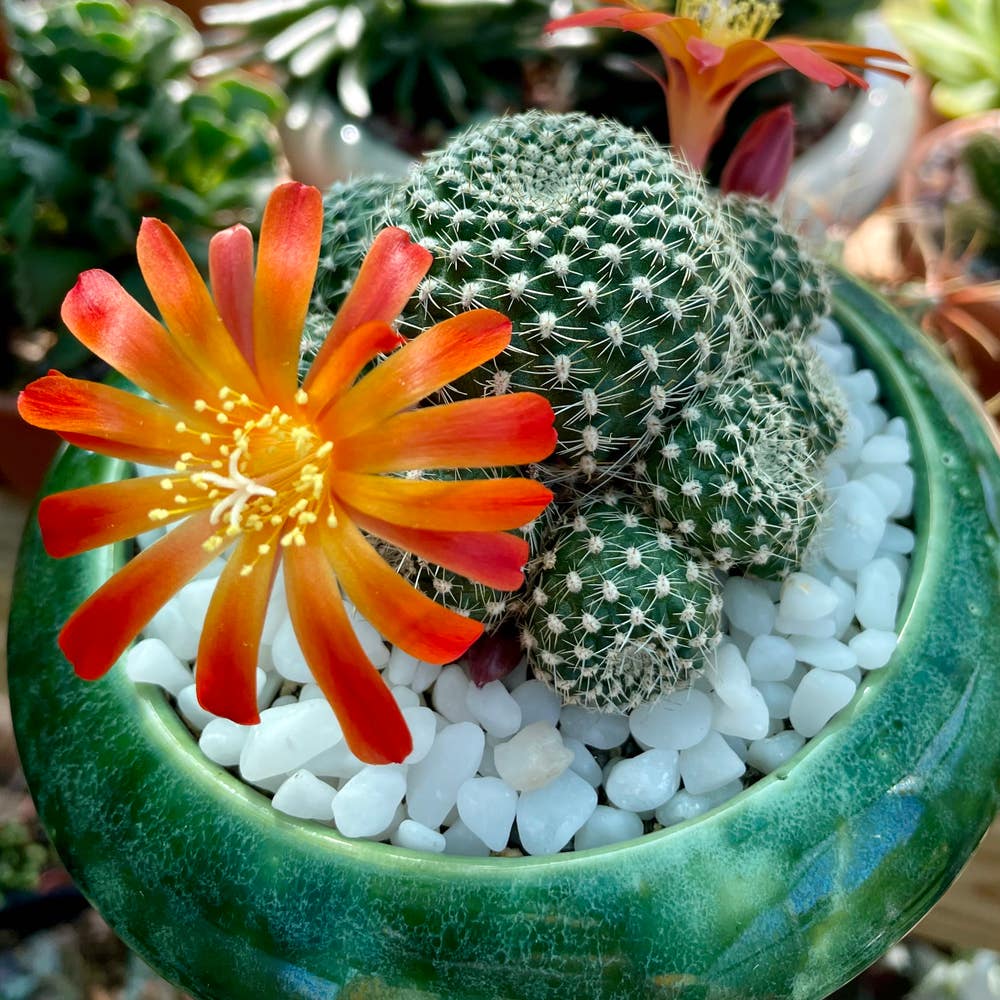
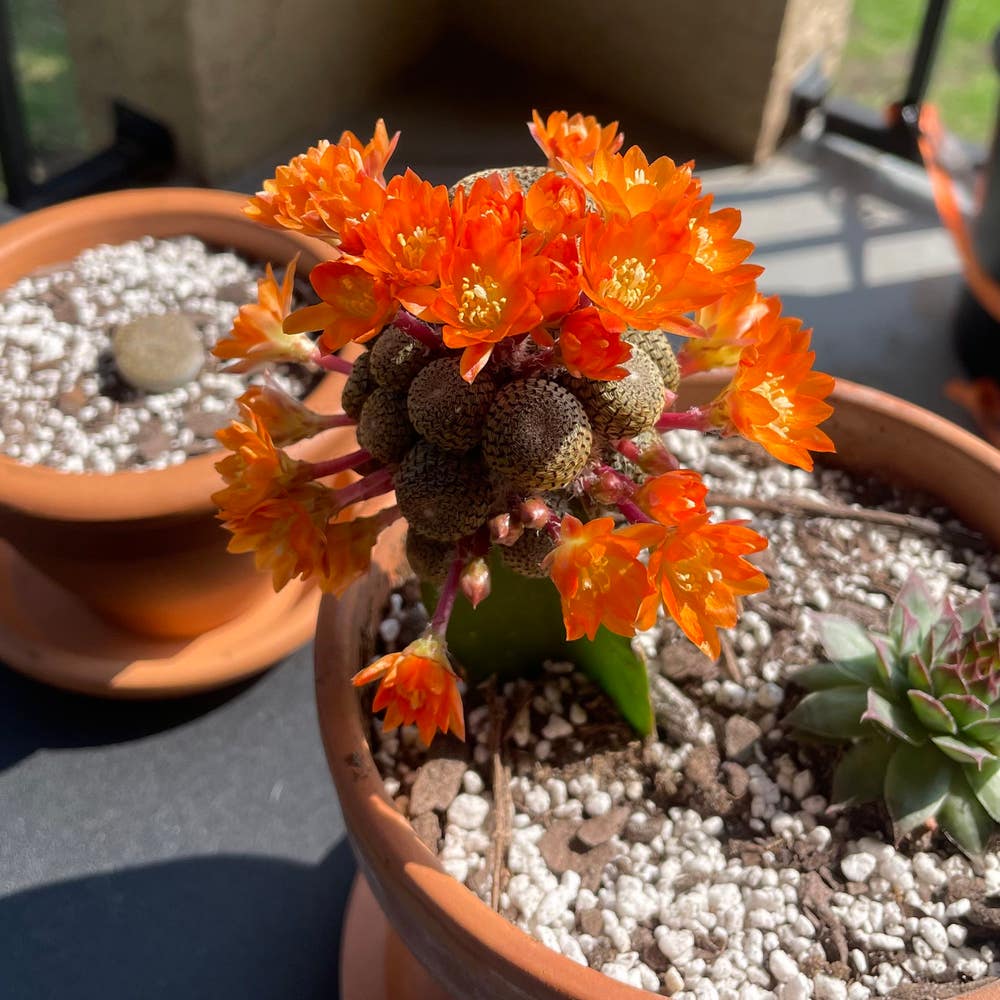
If you want your Rebutia krainziana to put on a floral show, strategic pruning is key. Timing is crucial: prune right after the blooming cycle to avoid cutting off next year's buds. Focus on removing spent flowers and thinning out crowded areas to let light and air reach the plant's center. This isn't just about looks; it's about giving your plant the best shot at a blooming bonanza next season.
Step-by-Step Pruning Guide
🌵 The Basics of Making the Cut
Pruning Rebutia krainziana starts with a clear goal: to remove dead or excess growth and encourage a vibrant, healthy plant. Sanitize your tools before you begin; this can't be overstated. Use alcohol to wipe down your precision pruners or micro snips—whatever your tool of choice, cleanliness is non-negotiable.
Where to Snip
Start by identifying any dead or damaged parts. These are your first cuts. Make them at the base, where the unwanted segment meets healthy growth. Aim for a clean, angled cut to allow water runoff and prevent rot. Next, address any overcrowded areas to improve air circulation. Remember, you're not just cutting; you're curating.
Encouraging Growth
To promote a fuller plant, pinch back the tips. This encourages branching and results in a denser appearance. If you're after more flowers, snip just above a node where you want to see new blooms. This is like a direct message to your plant: "Hey, it's showtime!"
🎨 Advanced Techniques
For the seasoned gardener, advanced pruning can transform Rebutia krainziana into a living sculpture. Topiary skills come into play here. You're not just pruning; you're an artist and the plant is your medium.
Strategic Shaping
Visualize the desired shape before you cut. Want a spherical cactus? Gradually create that form through selective pruning, always keeping symmetry in mind. It's like giving your plant a haircut; except, there's no growing it back if you snip too much. Be bold but deliberate.
Propagation Prep
Thinking of expanding your collection? Use pruning as a chance to propagate. Remove offsets or cuttings during the active growth phase. Let them callus before planting in well-draining soil. It's a two-for-one deal: tidy up your plant and get new ones in the process.
Remember, with great pruning comes great responsibility. Each cut can change the course of your plant's life, so make each one count.
Troubleshooting Common Pruning Pitfalls
🌿 Oops! Fixing Pruning Mistakes
When you've over-pruned your Rebutia krainziana, it's not the end of the world. First, stop snipping. More cutting won't fix the problem. Shift your focus to providing optimal care—water, light, and nutrients—to support recovery. It's a waiting game, but with patience, your plant may bounce back.
🐜 Dealing with Disease and Pests Post-Prune
After pruning, stay on high alert for pests and diseases. If you spot trouble, act fast. Remove any diseased or pest-infested foliage with clean cuts to prevent the spread. Don't compost them; dispose of them securely. Then, treat the plant with an appropriate pesticide or fungicide if necessary. Remember, prevention is better than cure, so keep those tools clean and sharp for next time.
⚠️ Safety First
This content is for general information and may contain errors, omissions, or outdated details. It is not medical, veterinary advice, or an endorsement of therapeutic claims.
Always consult a qualified healthcare professional before using any plant as food, medicine, or supplement.
Never eat any plant (or feed one to pets) without confirming its identity with at least two trusted sources.
If you suspect poisoning, call Poison Control (800) 222-1222, the Pet Poison Helpline (800) 213-6680, or your local emergency service immediately.
Spotted an error? Please report it here.
Achieve a thriving and beautifully shaped Rebutia krainziana with precise spring pruning, and count on Greg ✂️ to keep track of the perfect timing and aftercare for your succulent success!