🌵 Why Are There Brown Spots on My Rebutia krainziana?
Rebutia minuscula var. minuscula
By the Greg Editorial Team
Feb 14, 2024•5 min read
This article was created with the help of AI so we can cover more plants for you. May contain errors. See one? Report it here.
Banish brown spots 🍂 from your Rebutia krainziana with our expert troubleshooting guide for a thriving cactus! 🌵
- Brown spots signal overwatering, sunburn, pests, or diseases in Rebutia krainziana.
- 🌵 Prevent damage with correct watering, sun exposure, and pest control.
- Treat promptly using insecticidal soap, neem oil, or fungicides as needed.
Spotting the Trouble: Recognizing Brown Spots
🕵️♂️ Visual Clues
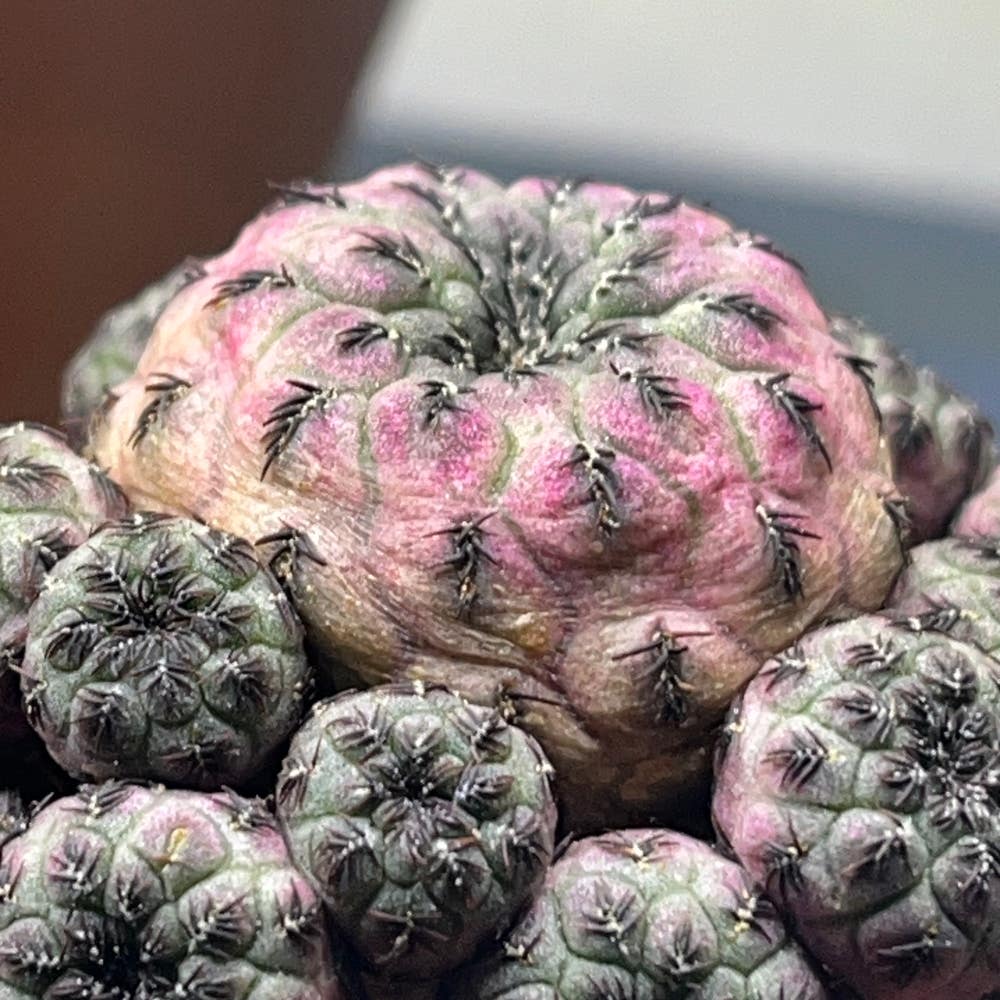
Brown spots on your Rebutia krainziana can look like unwanted tattoos on its otherwise pristine skin. They range from tan to dark brown, and their texture—whether dry and crispy or soft and squishy—can be a dead giveaway to the underlying issue. Look for spots with distinct edges or a yellowish halo, which are often the calling cards of specific diseases.
🕵️♂️ Common Culprits
The usual suspects in this botanical whodunit are overwatering, sunburn, pests, and diseases. Each leaves a unique mark on your cactus, like a signature at a crime scene. Overwatering makes the spots feel like a soggy sponge, while sunburn spots are as dry as overcooked toast. Pests are less subtle, often leaving behind sticky residue or webbing. Diseases, the sneakiest of all, can show up as concentric rings or halos, like a bullseye on your plant's foliage.
The Root of the Problem: Pinpointing the Cause
💦 When Water is the Enemy
Overwatering is like throwing a pool party for your Rebutia krainziana, except it can't swim. Root rot sneaks up like a ninja, and before you know it, your cactus is sending out an SOS. If the soil is more swamp than desert and the roots look like they've seen better days—soft and brown—it's time to rethink your watering schedule.
☀️ Too Much Sun, Too Little Fun
Your cactus isn't trying to get a tan; sunburn can turn those green pads to a crispy brown. If your plant looks like it's been in a desert without a hat, it might be time to provide some shade. Sheer curtains or a move to indirect light can save your cactus from turning into a prickly crisp.
🐜 Uninvited Guests: Pests
Pests treat your cactus like an all-you-can-eat buffet. Spider mites spin webs, mealybugs leave cotton-like deposits, and scale insects look like tiny, waxy volcanoes. These tiny terrors suck the life out of your plant, leaving behind brown spots as calling cards.
🦠 Disease Strikes
Diseases are the silent killers in the plant world. If your cactus is looking more like a zombie with wilting or discolored leaves, it's time for some plant first aid. A foul smell from the roots is like a bad cologne, telling you something's definitely off. Keep an eye out for these signs, and be ready to act fast.
First Aid for Your Cactus: Treating Brown Spots
💧 Balancing the Watering Act
Overwatering can turn your Rebutia krainziana into a soggy mess. Check the soil: if it's wet, hold off on the H2O. Your cactus craves a drink only when the soil feels dry an inch below the surface. Remember, less is more when the air gets chilly.
🌞 Creating a Sun-Safe Haven
Too much sun can give your cactus an unwanted tan. Gradually move it to a spot with bright, indirect light. Think of it as putting your plant in witness protection from the harsh sun rays. Patience is key; those brown spots need time to fade.
🐜 Pest Patrol
Pests are party crashers on your cactus. Inspect regularly and if you spot trouble, isolate your plant. A swift swipe with insecticidal soap or neem oil can show those bugs the door. And always clean your tools after; cross-contamination is a no-go.
⚔️ Battling the Disease
Fungus among us? A baking soda and soap spray is your gentle first strike. If the spots persist, it's time for the heavy artillery: fungicides. But don't go wild; follow the label like it's the law and rotate products to keep the fungi guessing. Clearing infected areas is like hitting the reset button on your cactus's health.
Keeping Spots at Bay: Prevention Tactics
💧 Water Wisdom
Overwatering is the archenemy of your Rebutia krainziana. To prevent those treacherous brown spots, water only when the top inch of soil feels like a dry desert. It's a simple finger test that could save your cactus from a fungal invasion. Remember, you're not running a water park for pathogens.
🌞 Sunlight Savvy
Your cactus craves sunlight, but like a pale-skinned beachgoer, it needs protection from the harsh midday rays. Position your plant to bask in the gentle morning sun and use shade cloths to defend against the afternoon's scorching glare. It's about finding that sweet spot of bright, indirect light.
🐜 Pest-Proofing Your Plant
Regular check-ups on your cactus are like a personal bodyguard against tiny invaders. If pests are spotted, show them the door with insecticidal soap or neem oil. It's pest control with a gentle touch, keeping your cactus safe without going overboard on the chemicals.
🛡️ Disease Defense
To fortify your Rebutia krainziana against disease, ensure good airflow and a well-draining soil mix. Water at the base to avoid wetting the leaves, and only when the soil is dry to the touch. Think of it as the cactus equivalent of hand-washing—simple but effective in keeping diseases at bay.
⚠️ Safety First
This content is for general information and may contain errors, omissions, or outdated details. It is not medical, veterinary advice, or an endorsement of therapeutic claims.
Always consult a qualified healthcare professional before using any plant as food, medicine, or supplement.
Never eat any plant (or feed one to pets) without confirming its identity with at least two trusted sources.
If you suspect poisoning, call Poison Control (800) 222-1222, the Pet Poison Helpline (800) 213-6680, or your local emergency service immediately.
Spotted an error? Please report it here.
Keep your Rebutia krainziana bloomingly beautiful 🌵 with Greg's custom watering reminders, helping you avoid those pesky brown spots with ease!