
Monster monstera
I was just given this, and I'm a lil intimidated, any advice for a first time monstera owner? He's a very beefy guy, haha #monstera #monsteramob #monsteramonday #plantsmakepeoplehappy


 5
5

 Best Answer


@EarthBurrito Wow what a gift. Here is the 4-1-1 for your new plant:
The Monstera deliciosa, also known as the Swiss cheese plant, is a tropical plant native to Central and South America. It is a popular houseplant because of its large, glossy leaves with distinctive splits and holes, giving it a unique and interesting appearance. Here are some step-by-step instructions on how to care for a medium-sized Monstera plant:
1. Light: Monstera plants thrive in bright, indirect light. They can tolerate some direct sunlight, but too much can scorch the leaves. Place your plant near a north or east-facing window for the best results.
2. Water: Water your Monstera plant when the top inch of soil feels dry to the touch. Water thoroughly, allowing excess water to drain from the bottom of the pot. Avoid letting the plant sit in standing water, as this can lead to root rot.
3. Humidity: Monstera plants prefer high humidity levels. You can increase humidity by placing a tray of water and pebbles underneath the pot to create a humid microclimate.
4. Temperature: Monstera plants thrive in temperatures between 65°F to 80°F (18°C to 27°C). Avoid placing your plant in a drafty location or near a heating or cooling vent.
5. Fertilizer: During the growing season (spring and summer), fertilize your Monstera plant every two to four weeks with a balanced, water-soluble fertilizer. Reduce fertilization during the fall and winter months when the plant is not actively growing.
6. Pruning: As your Monstera plant grows, it may become too large for its current pot or location. Prune back the stems to control the size and shape of the plant. You can also remove any yellow or damaged leaves to encourage new growth.
7. Give this guy a mosspole or use a tomato cage for support. These plants are climbing plants and by having a support structure you can ensure healthy growth and instill some order on the shape of the plant depending on how you support it. I’m including a link of a very knowledgeable plant influencer associated with the Greg app who has a post on using a tomato cage for his monstera.
https://www.houseplantjournal.com/monstera-trellis/
The Monstera deliciosa, also known as the Swiss cheese plant, is a tropical plant native to Central and South America. It is a popular houseplant because of its large, glossy leaves with distinctive splits and holes, giving it a unique and interesting appearance. Here are some step-by-step instructions on how to care for a medium-sized Monstera plant:
1. Light: Monstera plants thrive in bright, indirect light. They can tolerate some direct sunlight, but too much can scorch the leaves. Place your plant near a north or east-facing window for the best results.
2. Water: Water your Monstera plant when the top inch of soil feels dry to the touch. Water thoroughly, allowing excess water to drain from the bottom of the pot. Avoid letting the plant sit in standing water, as this can lead to root rot.
3. Humidity: Monstera plants prefer high humidity levels. You can increase humidity by placing a tray of water and pebbles underneath the pot to create a humid microclimate.
4. Temperature: Monstera plants thrive in temperatures between 65°F to 80°F (18°C to 27°C). Avoid placing your plant in a drafty location or near a heating or cooling vent.
5. Fertilizer: During the growing season (spring and summer), fertilize your Monstera plant every two to four weeks with a balanced, water-soluble fertilizer. Reduce fertilization during the fall and winter months when the plant is not actively growing.
6. Pruning: As your Monstera plant grows, it may become too large for its current pot or location. Prune back the stems to control the size and shape of the plant. You can also remove any yellow or damaged leaves to encourage new growth.
7. Give this guy a mosspole or use a tomato cage for support. These plants are climbing plants and by having a support structure you can ensure healthy growth and instill some order on the shape of the plant depending on how you support it. I’m including a link of a very knowledgeable plant influencer associated with the Greg app who has a post on using a tomato cage for his monstera.
https://www.houseplantjournal.com/monstera-trellis/
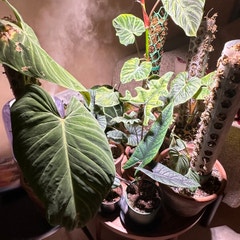
It looks a bit beat up at the moment but it’s a stunning specimen none the less. A little TLC and it should bounce right back.
@TexanExpat has already put out some great advice. I just came here to appreciate this giant monstera. Happy growing!
@TexanExpat has already put out some great advice. I just came here to appreciate this giant monstera. Happy growing!


Se here wow if you ever want to get glreed of a cutting send it my way I would love to have some of those leaves in my oasis
