Plant Care
›
Propagation
›
Monstera
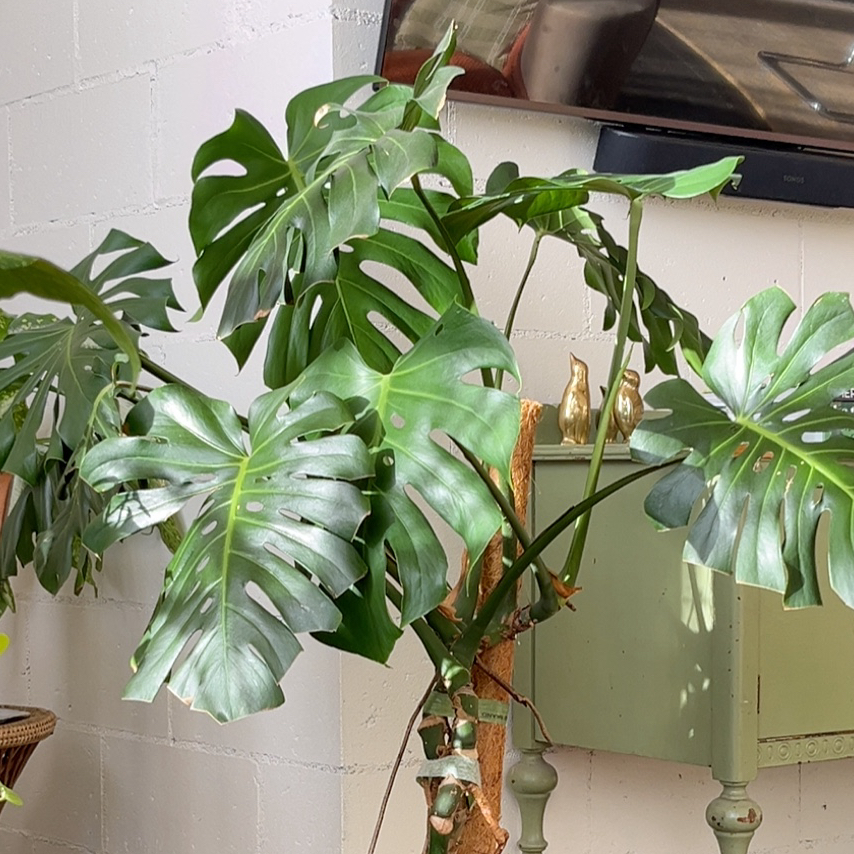
Monstera deliciosa
Reviewed by Kiersten Rankel M.S.
QUICK ANSWER
Water propagation roots a node cutting in 2 to 4 weeks and lets you watch progress through the glass.
Soil propagation skips the risky water-to-soil transition but takes 4 to 6 weeks before you can confirm success. Air layering produces a fully rooted plant before you ever cut, but takes 6 to 10 weeks and works only on mature vines with aerial roots.
Soil propagation skips the risky water-to-soil transition but takes 4 to 6 weeks before you can confirm success. Air layering produces a fully rooted plant before you ever cut, but takes 6 to 10 weeks and works only on mature vines with aerial roots.
Stay on top of plant care
Get seasonal reminders for watering and fertilizing, personalized for your plants.
Try Greg Free
Pick your method
Tap one to jump to the walkthrough.
Water propagation
Best for beginners who want to watch roots form
Soil propagation
Best for skipping the risky water-to-soil transition
Air layering
Best for mature vines with thick aerial roots
Water propagation
Time
2–4 weeks
Level
Beginner
Success rate
High
You'll need
Clear glass jar
Filtered water (or tap left to sit 24 hours)
Sterile shears or a sharp knife
Bright indirect light
1
Find a healthy node
Look along the main vine for the small bump where a leaf and aerial root meet the stem. That node is where new roots will form. A cutting without a node will never root, no matter how many leaves it has.
2
Cut just below the node
Use sterile shears to cut the stem half an inch below the node, leaving one or two leaves attached above. A 4 to 6 inch cutting is ideal. Trim off any leaves that would sit underwater.
3
Submerge the node in water
Place the cutting in a jar so the node and any aerial root are fully covered but the leaves stay dry. Use filtered water or tap left to sit overnight so chlorine can off-gas.
4
Set in bright indirect light
Place the jar near a bright window but out of direct sun. Refresh the water every 5 to 7 days, or sooner if it looks cloudy. Cloudy water is the early sign of bacterial growth.
5
Wait for 2-inch roots
New roots usually appear within 2 weeks and reach 2 inches by week 4. Wait until you see a small cluster of roots, not just one, before potting up.
A cutting potted with a single thin root often stalls.
A cutting potted with a single thin root often stalls.
6
Pot up in chunky aroid mix
Move the cutting into a 4-inch pot with chunky aroid mix or 50 percent potting soil and 50 percent perlite plus orchid bark. Water in well and keep the soil lightly moist for the first 2 weeks while the water roots adapt to soil.
WATCH FOR
Mushy brown tissue at the submerged cut end. That is stem rot from bacteria in stale water. Re-cut half an inch above the damage with a sterile blade and start over in fresh water. Monstera recovers well from a single re-cut.
Soil propagation
Time
4–6 weeks
Level
Intermediate
Success rate
Moderate
You'll need
Sterile shears or a sharp knife
4-inch pot with drainage holes
Chunky aroid mix (potting soil, perlite, orchid bark)
Clear plastic bag or humidity dome
Rooting hormone (optional)
1
Take a node cutting with an aerial root
Use sterile shears to take a 4 to 6 inch cutting that includes one node and one or two leaves. Pick a stem that already has a small aerial root sticking out from the node. Aerial roots adapt to soil faster than fresh water roots.
2
Dust the cut with rooting hormone
This step is optional for Monstera but speeds things up by about a week. Tap the freshly cut end against the powder and shake off any excess.
Avoid soaking the cut in liquid hormone, which can burn the tissue.
Avoid soaking the cut in liquid hormone, which can burn the tissue.
3
Plant the node into damp mix
Fill a 4-inch pot with chunky aroid mix and water until evenly damp. Push the cutting in so the node is buried about an inch deep. Press the soil so the cutting stands upright on its own.
4
Tent with a humidity bag
Cover the pot with a clear plastic bag or humidity dome to hold humidity around 70 percent. Open it for a few minutes every other day to let in fresh air and prevent mold. Place the pot in bright indirect light.
5
Check at 4 weeks with a tug test
Give the cutting a gentle tug. Resistance means roots have anchored into the soil. No resistance means the cutting is still working on it.
A healthy node will usually root by 4 weeks but can take up to 6.
A healthy node will usually root by 4 weeks but can take up to 6.
6
Remove the dome and resume care
Once the tug test passes, take the bag off and let the plant acclimate to room humidity for a week. Then move it to its long-term spot and water when the top inch of soil dries out.
WATCH FOR
White fuzzy mold across the soil surface. That comes from too little airflow inside the humidity dome. Vent the bag daily, scrape away the mold layer, and let the soil surface dry slightly before re-tenting. Mold on the surface alone is harmless if caught early.
Air layering
Time
6–10 weeks
Level
Advanced
Success rate
High
You'll need
Damp sphagnum moss
Clear plastic wrap or a clear plastic cup
Twist ties or string
Sterile knife
Sharp pruners for final cut
1
Pick a node with an aerial root
Choose a node on a mature stem where an aerial root is already growing out, ideally one that is at least an inch long. The thicker the aerial root, the faster it will turn into a true root system.
2
Wrap damp sphagnum around the node
Soak a fistful of sphagnum moss in water and squeeze out the excess so it is wet but not dripping. Pack the moss around the node and aerial root in a thick layer. Aim for a ball about the size of a tennis ball.
3
Wrap and seal with plastic
Wrap the moss ball tightly with clear plastic wrap, leaving small air gaps at top and bottom. Secure with twist ties or string. The plastic holds moisture in while still letting you see the roots developing.
4
Keep the moss damp for 6 weeks
Check the moss weekly. If it looks dry, peel back the wrap, mist with water, and re-seal. The moss should always feel like a wrung-out sponge.
Dry moss stalls root growth completely.
Dry moss stalls root growth completely.
5
Watch for thick roots filling the moss
Within 6 to 10 weeks you should see a network of white roots branching through the moss. Wait until the moss is full of roots, not just a few thin ones, before cutting. A premature cut leaves you with a weak rooted cutting.
6
Sever and pot up
Cut the stem just below the rooted moss ball with sharp pruners. Peel the plastic away but leave the moss in place around the roots. Pot the whole rooted bundle into chunky aroid mix and water in well.
WATCH FOR
Black or shriveled aerial root inside the moss after 4 weeks. That means the moss dried out at some point and killed the root before it could thicken. Unwrap, re-soak the moss, and re-wrap. Pick a different node if the original aerial root is fully dried.
Stay on top of plant care
Get seasonal reminders for watering and fertilizing, personalized for your plants.
Try Greg Free
About This Article

Kiersten Rankel M.S.
Botanical Data Lead at Greg · Plant Scientist
Editorial Process
Propagation methods verified against Monstera deliciosa growth data from Greg's botanical database, cross-referenced with USDA hardiness zone data and published horticultural research.
81,175+ Greg users growing this plant
USDA hardiness zones 10a–12b