
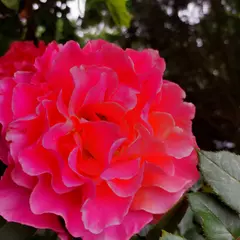
Just got these beautiful orchids 😍
Now, how do I help them thrive? I’ve tried orchids once before and failed miserably—I had aerated chunky substrate (orchid bark and coco husk with perlite), orchid-specific pots with big holes to allow airflow, I only watered when the roots turned silver… but I did something wrong! Please drop any orchid tips you have! I love these so much and I want to help them thrive 🌿🪴💕 I’d also appreciate if anyone knows the names of these, too! I’ve never seen ones with these beautiful patterns! ♥️ #HappyPlants #OrchidLovers #OrchidOrg #Orchid #PhalaenopsisOrchid #PlantAddict #PLANTMAFIA #GregGang #Greggers #babevila #PlantTherapy #PlantsMakePeopleHappy


 6
6

 Best Answer

If I remember from your succulents post, your apartment now was on the humid side. They should love that. Just watch out for signs of rot and place them in a well ventilated (non-draughty) spot with lots of indirect light. Forget mostly about fertilizing for now, you can start that a bit later, once you feel more at home with them.
Which substrate is good for you depends highly on your surrounding and habits. Technically it's an "anything goes" situation as long as the roots get some air. It's best to water by checking the roots (it's great not only for beginners, I still do with some or when seasons change). That way, you know exactly when to water again: if they are green (or if that's their normal color reddish brown) and plump, they are well hydrated. When they get a matte look and gradually turn silvery, it's time to water. Don't leave them in standing water for longer amounts of time. If over time they get wrinkles/ thin out, they are consistently underwatered. Most often you see that on the roots on top of the substrate. With those that's fine as long as there are still more inside.
As for techniques, again, everything goes (as long as it's not ice cubes 😅). Most people soak them. I like to use the can. I sometimes spray the mounted ones or those with "aerial" roots.
With all methods however you should take care not to splash water anywhere but the roots. Especially in a humid environment. Rot is *the* phalaenopsis killer number one.
Back to the substrate: if you water like this and notice it's way more effort than you want to invest because the roots turn grey every second day? (E.g. when you water with a can and they are in pure bark?) Change it up. Either soak them or mix in some moss to the medium.
Oh.. only caveat to the medium thing: if you choose 100% moss no soaking. That gets way too wet. And stays wet for too long. Your medium shouldn't stay really wet for longer than a week whatever you use.
That's about it about watering I think. Check the roots in the pot, water accordingly, don't splash water on leaves and stem.
I wouldn't repot immediately unless there are issues. After the bloom, maybe even when you see the first new roots, that's a perfect time for your first repot to ensure you get to enjoy the blooms the longest.
I probably forgot some stuff, but that's at least the immediate care advice I can think of.
They are lovely. I cannot help with the ID. There are tons of complex hybrids out there, not all of them have names. Not even among the more popular ones in the flower shops. Some do, so who knows. Have fun, I'm sure they will thrive this time 🤞
Which substrate is good for you depends highly on your surrounding and habits. Technically it's an "anything goes" situation as long as the roots get some air. It's best to water by checking the roots (it's great not only for beginners, I still do with some or when seasons change). That way, you know exactly when to water again: if they are green (or if that's their normal color reddish brown) and plump, they are well hydrated. When they get a matte look and gradually turn silvery, it's time to water. Don't leave them in standing water for longer amounts of time. If over time they get wrinkles/ thin out, they are consistently underwatered. Most often you see that on the roots on top of the substrate. With those that's fine as long as there are still more inside.
As for techniques, again, everything goes (as long as it's not ice cubes 😅). Most people soak them. I like to use the can. I sometimes spray the mounted ones or those with "aerial" roots.
With all methods however you should take care not to splash water anywhere but the roots. Especially in a humid environment. Rot is *the* phalaenopsis killer number one.
Back to the substrate: if you water like this and notice it's way more effort than you want to invest because the roots turn grey every second day? (E.g. when you water with a can and they are in pure bark?) Change it up. Either soak them or mix in some moss to the medium.
Oh.. only caveat to the medium thing: if you choose 100% moss no soaking. That gets way too wet. And stays wet for too long. Your medium shouldn't stay really wet for longer than a week whatever you use.
That's about it about watering I think. Check the roots in the pot, water accordingly, don't splash water on leaves and stem.
I wouldn't repot immediately unless there are issues. After the bloom, maybe even when you see the first new roots, that's a perfect time for your first repot to ensure you get to enjoy the blooms the longest.
I probably forgot some stuff, but that's at least the immediate care advice I can think of.
They are lovely. I cannot help with the ID. There are tons of complex hybrids out there, not all of them have names. Not even among the more popular ones in the flower shops. Some do, so who knows. Have fun, I'm sure they will thrive this time 🤞

Oh. Also: when you see the leaves get a bit limp or even get wrinkles? Then you know something is off. It's a sign of dehydration. So either you water too little over time or they have been overwatered or had old medium and the root system might be damaged. So checking the pot is always great. Adding that because often phals are overwatered in the shops and come with that issue. They also come with pretty old medium, hence my advice for your first repot after the bloom. After that, depending on the medium and your watering, you can wait 1-3 years till the next repot.
And last trouble shoot: the bottom leaf yellowing from the outside in is no biggie. That can happen. If it's yellowing from the stem outwards, more leaves than max 2 yellow or any but the oldest leaf yellow? That spells trouble and should be taken seriously, should that ever happen (back to the phalaenopsis killer number one)
And last trouble shoot: the bottom leaf yellowing from the outside in is no biggie. That can happen. If it's yellowing from the stem outwards, more leaves than max 2 yellow or any but the oldest leaf yellow? That spells trouble and should be taken seriously, should that ever happen (back to the phalaenopsis killer number one)


@MusicalRedmint thank you so much!! I screenshot all your advice! They came in sphagnum moss and seem pretty content with that, so I will take care to monitor the moisture content! Thank you for all the amazing information ♥️♥️♥️


To care for orchids, provide bright, indirect light, water them once the potting medium has dried out, and use a specialized bark-based mix to ensure proper drainage. Avoid direct sun and overwatering, which are the most common mistakes for beginners.
Light and Location
Bright, Indirect Light: Most orchids, especially the popular Phalaenopsis (moth orchids), need plenty of bright, indirect light. An east- or west-facing windowsill is often ideal.
Avoid Direct Sun: Direct sunlight, especially from a south-facing window in the summer, can burn the leaves (appearing as black blotches or yellowing).
Ideal Temperature: Maintain consistent indoor temperatures, generally between 65–80°F (18–27°C) during the day and slightly cooler at night to encourage blooming. Protect them from cold drafts and hot, dry air from heating vents.
Watering and Humidity
Watering Frequency: The general rule is to water about once a week, but the key is to let the potting medium dry slightly between waterings to prevent root rot. Check the roots: if they are plump and green, they have enough water; if they are shriveled and gray, they are thirsty.
Watering Method: Water the plant thoroughly using room-temperature water (rainwater or boiled tap water is best, as tap water can contain harsh minerals). If possible, submerge the pot in water for 5 minutes and then let it drain completely; never let an orchid sit in standing water.
Humidity: Orchids are tropical plants that thrive in high humidity (40-70%). Increase humidity by misting the leaves regularly or placing the pot on a tray filled with pebbles and water, ensuring the pot is raised above the water level.
Potting and Feeding
Potting Medium: Do not use regular potting soil, as it compacts and leads to root rot. Instead, use a specialized, airy orchid mix made of bark, perlite, and/or sphagnum moss to allow for good airflow to the roots. Clear plastic pots are excellent for monitoring root health.
Fertilizing: Feed the orchid with a specialized orchid fertilizer at a diluted strength during its active growing season (spring and summer). A "weakly, weekly" approach (diluted fertilizer with every other watering) is often recommended. Reduce or stop feeding during the dormant period after flowering.
Repotting: Repot when the plant has outgrown its container or the potting medium has started to break down (typically every 1-3 years). It's best to repot when the plant is not in bloom.
Pruning and Reblooming
Pruning: After the flowers have dropped, you can prune the flower spike. For Phalaenopsis orchids, you can cut the stem just above a lower node (small bulge) to encourage a new bloom spike, or cut the entire stem off if it turns yellow or brown.
Reblooming: The most reliable way to encourage reblooming is to provide the correct basic care conditions year-round. Some varieties also benefit from a slight drop in temperature at night or a cooler resting period to stimulate new flower buds.
Light and Location
Bright, Indirect Light: Most orchids, especially the popular Phalaenopsis (moth orchids), need plenty of bright, indirect light. An east- or west-facing windowsill is often ideal.
Avoid Direct Sun: Direct sunlight, especially from a south-facing window in the summer, can burn the leaves (appearing as black blotches or yellowing).
Ideal Temperature: Maintain consistent indoor temperatures, generally between 65–80°F (18–27°C) during the day and slightly cooler at night to encourage blooming. Protect them from cold drafts and hot, dry air from heating vents.
Watering and Humidity
Watering Frequency: The general rule is to water about once a week, but the key is to let the potting medium dry slightly between waterings to prevent root rot. Check the roots: if they are plump and green, they have enough water; if they are shriveled and gray, they are thirsty.
Watering Method: Water the plant thoroughly using room-temperature water (rainwater or boiled tap water is best, as tap water can contain harsh minerals). If possible, submerge the pot in water for 5 minutes and then let it drain completely; never let an orchid sit in standing water.
Humidity: Orchids are tropical plants that thrive in high humidity (40-70%). Increase humidity by misting the leaves regularly or placing the pot on a tray filled with pebbles and water, ensuring the pot is raised above the water level.
Potting and Feeding
Potting Medium: Do not use regular potting soil, as it compacts and leads to root rot. Instead, use a specialized, airy orchid mix made of bark, perlite, and/or sphagnum moss to allow for good airflow to the roots. Clear plastic pots are excellent for monitoring root health.
Fertilizing: Feed the orchid with a specialized orchid fertilizer at a diluted strength during its active growing season (spring and summer). A "weakly, weekly" approach (diluted fertilizer with every other watering) is often recommended. Reduce or stop feeding during the dormant period after flowering.
Repotting: Repot when the plant has outgrown its container or the potting medium has started to break down (typically every 1-3 years). It's best to repot when the plant is not in bloom.
Pruning and Reblooming
Pruning: After the flowers have dropped, you can prune the flower spike. For Phalaenopsis orchids, you can cut the stem just above a lower node (small bulge) to encourage a new bloom spike, or cut the entire stem off if it turns yellow or brown.
Reblooming: The most reliable way to encourage reblooming is to provide the correct basic care conditions year-round. Some varieties also benefit from a slight drop in temperature at night or a cooler resting period to stimulate new flower buds.