🍐 Step-by-Step Guide to Propagating Kieffer Pear Tree
Pyrus communis 'Kieffer'
By the Greg Editorial Team
Oct 11, 2024•6 min read
This article was created with the help of AI so we can cover more plants for you. May contain errors. See one? Report it here.
Grow your own Kieffer Pear trees 🌳 effortlessly with expert tips on cuttings, grafting, and seed propagation!
- 🌱 Best time for cuttings is late spring to early summer for optimal growth.
- ✂️ Use 6-8 inch cuttings from healthy branches for successful propagation.
- 🌿 Maintain humidity and temperature for rooting success; aim for 70-80% humidity.
Propagation by Cuttings
🌱 Selecting the Right Cuttings
The best time to take cuttings from your Kieffer Pear tree is during late spring to early summer. Aim for cuttings that are 6-8 inches long, taken from healthy, mature branches that are firm, green, and free from disease.
✂️ Preparing the Cuttings
Start Kieffer Pearthe lower leaves, learootstock 2-3 leaves at the top. Make your cut at a 45-degree angle to increase the surface area for rooting, and always use clean, sharp pruning shears to prevent infection.
🧪 Rooting Hormones and Their Use
Rooting hormones come in powder, gel, and liquid forms. To use them effectively, dip the cut end of your cutting into the rooting hormone before planting; this simple step can significantly increase your success rate.
🌿 Ideal Conditions for Rooting
For the best rooting results, use a soil mix of erootstocks peat moss and perlite to ensure proper drainage. Choose containers that are 4-6 inches deep for individual cuttings, and maintain humidity levels between 70-80% with temperatures around 65-75°F.
🌳 Transplanting Rooted Cuttings
Look for signs of successful rooting, such as new leaf growth and resistance when you gently tug on the cutting. You should plan to transplant your rooted cuttings 6-8 weeks after planting, moving them to larger pots or directly into well-drained soil in the ground.
With these steps, you'll be well on your way to successfully propagating Kieffer Pear trees through cuttings. Next, let's explore the fascinating world of propagation by grafting.
Propagation by Grafting
🧑🌾 Understanding Grafting Techniques
Grafting is a fascinating method of propagation that involves joining two plants together. The most common techniques include whip-and-tongue, cleft grafting, and side-veneer grafting, each with its unique advantages.
Selecting compatible rootstock is crucial for the success of Kieffer Pear grafting. ThKieffer Pearstock can enhance growth and fruit quality, making this step essential.
🌱 Choosing the Right Rootstock
For Kieffer Pear trees, recommended rootstocks include OHxF 87 and Calleryana. These options are known for their hardiness and adaptability.
When choosing rootstock, consider factors like soil type, climate, and disease resistance. These elements will significantly impact the health and productivity of your grafted tree.
🔧 Step-by-Step Grafting Process
Prepare rootstock: Start by cutting the rootstock at a 45-degree angle. This creates a larger surface area for joining.
Prepare scion: Select a healthy Kieffer Pear shoot and cut it to match the rootstock size. This ensures a snug fit.
Join scion and rootstock: Align the cambium layers of both pieces carefully. Secure themplantingr with grafting tape to hold them in place.
Seal the graft: Use grafting wax to seal the graft. Thgermination it from moisture loss and helps ensure a successful union.
#seedlingsercare for Grafted Trees Once grafted, maintaining proper care is vital. Keep the soil consistently moist but avoid waterlogging, which can lead to root rot.
Monitor your grafted tree for signs of failure, such as wilting or discoloration. If you notice these issues, it may be time to reassess your grafting technique.
Timing is also important. Remove the grafting Rooting3 weeks after grafting to allow the tree to grow freely. This step promotes healthy development and ensures your graft takes hold.
With these steps, you'll be well Overwateringto successfully propagating Kieffer Pear trees through grafting. Next, let's explore the process oGraftingation by seed, another exciting method to expand your pear tree collection.
Propagation by Seed
🌰 Collecting Seeds from Kieffer Pears
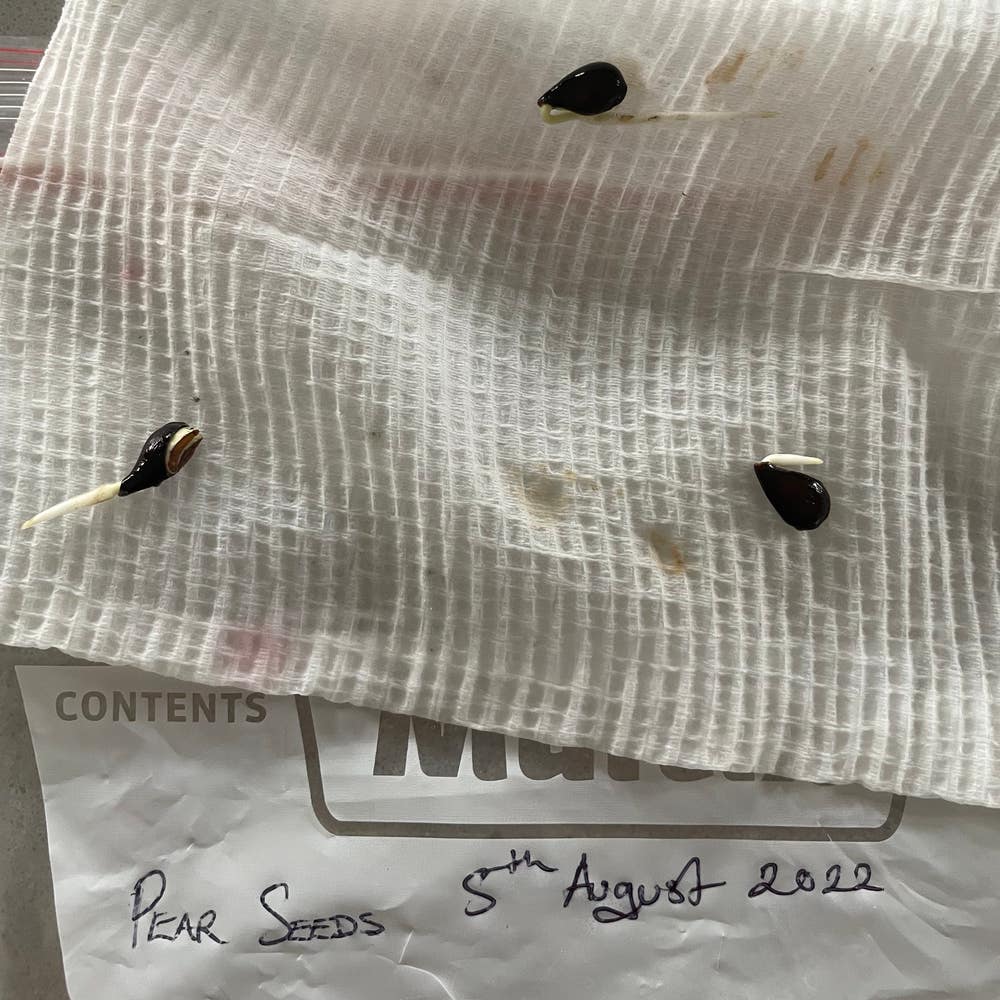
The best time to collect seeds from Kieffer pears is late fall, right after the fruit has ripened. To extract the seeds, simply remove them from the ripe fruit and rinse them thoroughly to eliminate any pulp.
❄️ Stratificatiomold growthor Seeds
Stratification is crucial as it mimics the natural winter conditions that seeds need for germination. Aim for a duration of 60-90 dgermination ratesold environment, like your refrigerator.
For this process, use a sealed plastic bag filled with damp peat moss to keep the seeds in optimal conditions.
🌱 Planting and Caring for Seedlings
When planting, make sure to bury the seeds about 1 inch deep in well-draining soil. Under ideal conditions, expect germination within 2-4 weeks at a temperature of around 70°F.
Once Kieffer Pearss sprout, provide them with full sun and consistent moisture to ensure healthy growth.
With these steps, you’ll be well on your way to growing your own Kieffer pear trees from seed. Next, let’s explore common challenges you might face during propagation and how to overcome them.
Common Challenges in Propagation
🕵️♂️ Identifying and Solving Rooting Issues
Rooting cuttings can sometimes be tricky. Common problems include rotting and a lack of root development.
To tackle these issues, ensure proper drainasoil mixur soil mix. Overwatering is a frequent culprit, so keep an eye on moisture levels.
🔧 Grafting Failures and Solutions
Grafting can also present challenges. Signs of grafting failure include lack of growth and discoloration in the grafted area.
If you notice these signs, consider re-grafting with fresh scion wood. This can often save your efforts and lead to a successful graft.
🌱 Seed Germination Problems
Seed germination can be hit or miss. Common issues include low germination rates and mold growth.
To improve your chances, ensure proper stratification of the seeds. Using a sterile planting medium can also help prevent mold and boost germination rates.
By being aware of these challenges and their solutions, you can enhance your propagation success. This knowledge sets the stage for a fruitful gardening experience, leading us to best practices for successful propagation.
Best Practices for Successful Propagation
🌱 Timing for Propagation
The timing of your propagation efforts can significantly impact success. For Kieffer Pears, the best time to take cuttings is late spring, while seeds should be collected in the fall, and grafting is ideally done in early spring.
Seasonal changes can affect growth conditions, so be mindful of local climate patterns. This awareness will help you choose the optimal times for each propagation method.
🛠️ Tools and Materials Needed
Having the right tools can make all the difference in your propagation journey. Essential tools include pruning shears, grafting tape, rooting hormone, pots, and a suitable soil mix.
Additionally, consider using sterile containers and humidity domes for cuttings. These materials help create a controlled environment that fosters healthy growth.
🌞 Environmental Conditions for Success
Creating ideal growth conditions is crucial for successful propagation. Kieffer Pears thrive in full sun exposure and well-drained soil, which promotes healthy root development.
Monitoring temperature and humidity levels during propagation is equally important. Keeping these factors in check ensures your cuttings and seedlings have the best chance to flourish.
Understanding these best practices will set you on the path to successfully propagating Kieffer Pear trees. Next, let’s explore common challenges you might face during this process and how to overcome them.
⚠️ Safety First
This content is for general information and may contain errors, omissions, or outdated details. It is not medical, veterinary advice, or an endorsement of therapeutic claims.
Always consult a qualified healthcare professional before using any plant as food, medicine, or supplement.
Never eat any plant (or feed one to pets) without confirming its identity with at least two trusted sources.
If you suspect poisoning, call Poison Control (800) 222-1222, the Pet Poison Helpline (800) 213-6680, or your local emergency service immediately.
Spotted an error? Please report it here.
Propagate your Kieffer Pear tree like a pro 🍐 with Greg's personalized reminders and expert tips to ensure your cuttings thrive and flourish!