🍐 6 Tips for Propagating Your Bartlett Pear
Pyrus communis 'Bartlett'
By the Greg Editorial Team
Nov 06, 2024•5 min read
This article was created with the help of AI so we can cover more plants for you. May contain errors. See one? Report it here.
Unlock the secrets of Bartlett Pear propagation 🌳 for a fruitful garden that thrives year after year!
- 🌱 Asexual propagation ensures genetic traits of Bartlett Pear trees are preserved effectively.
- ✂️ Select healthy cuttings and prepare them properly for successful propagation.
- 🌡️💧 Maintain warmth and humidity for optimal growth during propagation processes.
Types of Propagation Methods
🌱 Asexual Propagation
Asexual propagation is a reliable way to replicate your Bartlett Pear trees. This method allows you to maintain the same genetic traits as the parent tree, ensuring the quality of your fruit.
Propagating from Cuttings
Selecting Healthy Cuttings
Start by choosing semi-hardwood cuttings from healthy, disease-free trees. Aim for cuttings that are 6-8 inches long and have at least 2-3 nodes.
Preparing the Cuttings
Next, remove the leaves from the lower half of each cutting. Make a clean cut just below a node using sharp, sterilized pruning shears to prevent disease.
Using Rooting Hormone
To enhance root development, dip the cut end in rooting hormone. Remember to tap off any excess hormone to avoid rot.
Planting Cuttings in Soil
Use a well-draining potting mix, such as a blend of peat and perlite. Plant the cuttings 2-3 inches deep, ensuring that at least one node is buried to promote rooting.
Watering and Care for Cuttings
After planting, water the cuttings thoroughly and maintain consistent moisture. For optimal results, place them in a warm, humid environment, like under a plastic dome, to encourage rooting.
🌳 Grafting Techniques
Grafting is another effective propagation method, though it requires more skill. This technique allows you to combine the best traits of different plants.
Choosing the Right Rootstock
Select a compatible rootstock variety that suits your local conditions. Common choices include Quince and Pyrus communis, which provide a strong foundation for your Bartlett Pear.
Preparing the Scion
Choose a healthy scion from a Bartlett Pear tree, ideally using 1-year-old wood. Cut the scion to about 6 inches long, ensuring it has 2-3 buds for successful grafting.
Performing the Graft
Use techniques like whip-and-tongue or cleft grafting to join the scion and rootstock. Ensure good cambium contact between the two for a successful graft.
Aftercare for Grafted Trees
Wrap the graft union with grafting tape to secure and protect it. Monitor for signs of growth and promptly remove any suckers from the rootstock to encourage healthy development.
🌱 Growing from Seeds
Growing Bartlett Pears from seeds is a more challenging but rewarding method. This process allows for genetic diversity, which can lead to unique fruit characteristics.
Collecting Seeds from Ripe Pears
Begin by harvesting seeds from fully ripe pears. Clean the seeds thoroughly to remove any fruit residue, which can hinder germination.
Preparing Seeds for Planting
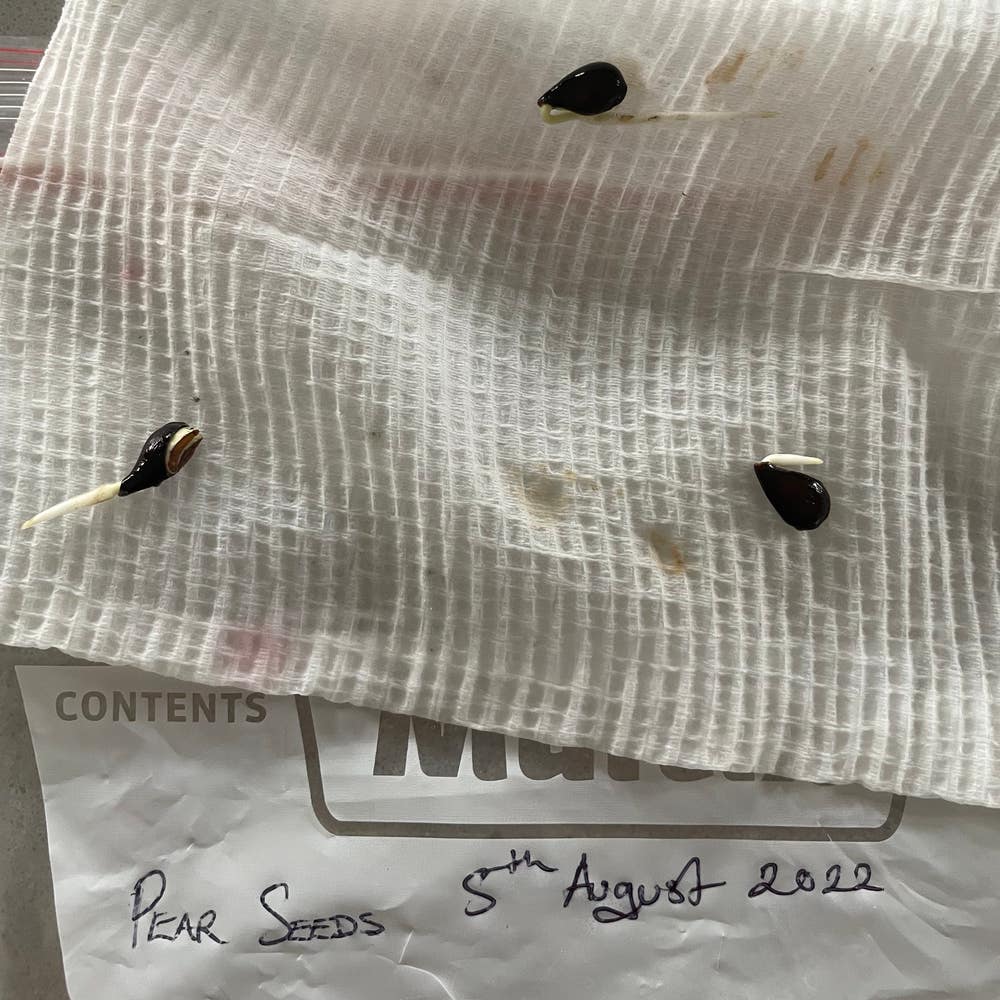
Stratify the seeds by placing them in a damp paper towel and refrigerating them for 30-60 days. This mimics winter conditions and improves germination rates.
Germination Process
Plant the seeds in well-draining soil, about 1 inch deep. Keep the soil consistently moist and maintain warm temperatures between 70°F and 75°F for optimal growth.
Transplanting Seedlings
Once the seedlings reach 4-6 inches tall, it's time to transplant them. Space the seedlings 12-18 inches apart in a sunny location to ensure they thrive.
With these propagation methods, you can successfully cultivate your own Bartlett Pear trees. Whether you choose cuttings, grafting, or seeds, each method offers unique benefits and challenges. Next, let’s explore the best timing and conditions for successful propagation.
Timing and Conditions for Successful Propagation
Best Seasons for Propagation 🌱
Timing is everything when it comes to propagating your Bartlett Pear. For cuttings, the sweet spot is late spring to early summer, when the plant is actively growing.
Grafting, on the other hand, is best performed in late winter or early spring, just before bud break. This timing ensures that the scion and rootstock can unite effectively. If you're considering growing from seeds, aim for early spring after the last frost to give your seeds the best chance to thrive.
Ideal Temperature and Humidity Levels 🌡️
Temperature and humidity play crucial roles in successful propagation. For cuttings, maintain an optimal temperature range of 70°F to 75°F. This warmth encourages root development and overall growth.
Humidity is equally important; aim for levels around 70-80% to prevent your cuttings from drying out. A humid environment helps create the perfect conditions for your new plants to take root and flourish.
With the right timing and conditions, you're setting the stage for a successful propagation journey. Next, let's explore the essential tools and materials you'll need to make this process even smoother.
Tools and Materials Needed for Propagation
🔧 Essential Tools for Cutting and Grafting
To successfully propagate your Bartlett Pear, having the right tools is crucial. Start with sharp, sterilized pruning shears for making clean cuts on your cuttings.
A grafting knife is also essential for precise cuts during the grafting process. This tool ensures that you create the best possible contact between the scion and rootstock.
Don’t forget to grab some rooting hormone. This product enhances root development and gives your cuttings a better chance of thriving.
🌱 Recommended Soil and Containers
The right soil mix can make all the difference in your propagation success. Use a well-draining potting mix, such as a blend of peat and perlite, to provide the ideal environment for your cuttings.
Make sure your containers have drainage holes. This prevents waterlogging, which can lead to root rot and other issues that hinder growth.
With the right tools and materials, you're well on your way to successfully propagating your Bartlett Pear. Next, let's explore the best timing and conditions for successful propagation.
⚠️ Safety First
This content is for general information and may contain errors, omissions, or outdated details. It is not medical, veterinary advice, or an endorsement of therapeutic claims.
Always consult a qualified healthcare professional before using any plant as food, medicine, or supplement.
Never eat any plant (or feed one to pets) without confirming its identity with at least two trusted sources.
If you suspect poisoning, call Poison Control (800) 222-1222, the Pet Poison Helpline (800) 213-6680, or your local emergency service immediately.
Spotted an error? Please report it here.
Propagate your Bartlett Pear with confidence 🌱 by using Greg's tailored reminders and expert tips to ensure your cuttings thrive and flourish!