🍐 Lifespan of Bartlett Pear Tree
Pyrus communis 'Bartlett'
By the Greg Editorial Team
Oct 11, 2024•5 min read
This article was created with the help of AI so we can cover more plants for you. May contain errors. See one? Report it here.
Cultivate a thriving Bartlett pear tree 🌳 by mastering its essential growth stages for a bountiful harvest!
- 🌱 Bartlett pear seeds germinate in 2 to 4 weeks with proper temperature and moisture.
- 🌳 Lifespan of Bartlett pear trees is 30 to 50 years, thriving with care.
- 🍐 Peak fruit production occurs around 10 years after planting, ensuring delicious harvests.
Germination Stage
🌱 Duration of Germination
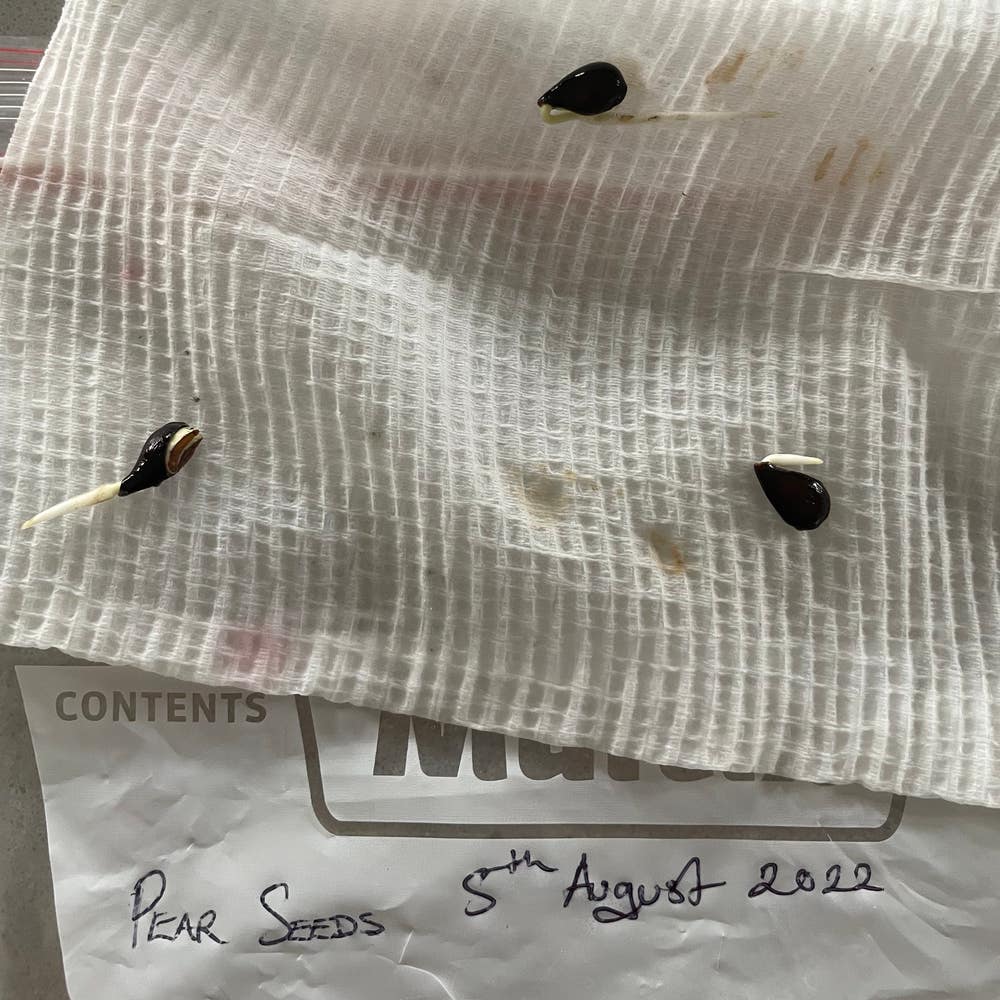
The germination period for Bartlett pear seeds typically spans 2 to 4 weeks. This timeframe can vary based on several factors, including temperature, moisture levels, and the quality of the seeds.
🌡️ Conditions for Successful Germination
To ensure successful germination, aim for an optimal temperature range of 60°F to 70°F (15°C to 21°C).
Soil Requirements
Use well-draining, fertile soil to provide the necessary nutrients for young seedlings.
Moisture Needs
Maintain consistent moisture in the soil, but avoid waterlogging, as excess water can hinder seed development.
By creating the right environment, you set the stage for healthy growth in the next stages of the Bartlett pear tree's life cycle. Understanding these initial conditions is crucial for nurturing your future fruit-bearing tree.
Seedling Stage
Length of Seedling Stage 🌱
The seedling stage of a Bartlett pear tree lasts between 6 months to 1 year. This phase transitions when the seedlings develop 3 to 4 true leaves, marking their readiness for the next growth stage.
Characteristics of Seedlings 🌿
During this stage, seedlings typically reach an initial height of 6 to 12 inches. They feature simple, broad leaves that capture sunlight efficiently, crucial for their growth.
Root development is vital at this point. The seedlings establish a strong root system, providing stability and access to nutrients and water.
As these young trees grow, they lay the foundation for a healthy and fruitful life ahead. Understanding this stage helps you appreciate the journey from seed to tree, setting the stage for future growth and fruit production.
Next, we’ll explore the vegetative growth stage, where the Bartlett pear tree really starts to flourish.
Vegetative Growth Stage
🌱 Duration of Vegetative Growth
The vegetative growth stage of a Bartlett pear tree lasts between 1 to 3 years. This duration varies based on several factors, including soil quality, water availability, and sunlight exposure.
🚀 Key Features During This Stage
During this stage, the tree experiences a remarkable growth rate of 12 to 24 inches per year under optimal conditions.
Leaf Development
As the tree grows, you'll notice an increase in leaf size and density, which is crucial for photosynthesis.
Branching
Additionally, the formation of lateral branches occurs, setting the stage for future fruiting. This branching is essential for a healthy, productive tree.
The vegetative growth stage is a critical period where the foundation for fruit production is established. Understanding these dynamics can help you nurture your Bartlett pear tree effectively, ensuring it thrives as it matures.
Next, we’ll explore the flowering stage, where the tree begins to showcase its potential for fruit production.
Flowering Stage
Timeframe for Flowering 🌸
The flowering stage of the Bartlett pear tree typically begins 3 to 4 years after planting. This vibrant display lasts for about 2 to 3 weeks each spring, transforming your garden into a picturesque scene.
Pollination and Its Importance 🐝
For successful fruit production, cross-pollination with another pear variety is essential. Pollinators like bees and other insects play a crucial role in this process, ensuring that flowers are fertilized effectively.
The impact of pollination on fruit yield is significant. Adequate pollination leads to increased fruit set and improved quality, making it a vital aspect of the flowering stage.
Understanding these factors can enhance your gardening experience and lead to a bountiful harvest. As we transition to the next stage, let's explore how the Bartlett pear tree progresses into seed production and its overall lifespan.
Seed Production and Lifespan
🌱 Timeline for Seed Production
Seed production for Bartlett pear trees typically begins 4 to 6 years after planting. This process continues throughout the tree's life, providing a steady yield of fruit.
⚖️ Factors Affecting Seed Yield
Several factors can influence seed yield:
- Environmental Conditions: Weather patterns, soil health, and water availability play crucial roles.
- Tree Health: A tree's resistance to pests and diseases can significantly impact its productivity.
- Pollination Success: The presence of adequate pollinators and compatible pear varieties is essential for optimal fruit set.
⏳ Average Lifespan of Bartlett Pear Tree
The typical lifespan of a Bartlett pear tree ranges from 30 to 50 years. With proper care, some trees can even exceed this average, thriving for over 50 years.
🌳 How Long Until Fully Grown?
Under ideal conditions, a Bartlett pear tree reaches maturity in 4 to 6 years. This growth rate is generally faster compared to other pear varieties, making it a popular choice among gardeners.
🔄 Notable Changes Throughout Life Cycle
As the tree matures, it undergoes significant physical changes. It transitions from a small, delicate structure to a robust tree capable of producing abundant fruit.
- Changes in Fruit Production: Early years yield sparse fruit, with peak production typically occurring around 10 years of age. As the tree ages, production may decline.
- Seasonal Variations in Growth Stages: The tree experiences active growth and flowering in spring, fruit development in summer, harvest time in fall, and dormancy in winter.
Understanding these stages and factors can help you cultivate a thriving Bartlett pear tree, ensuring a fruitful harvest for years to come. Next, we’ll explore the flowering stage and its significance in the tree's life cycle.
⚠️ Safety First
This content is for general information and may contain errors, omissions, or outdated details. It is not medical, veterinary advice, or an endorsement of therapeutic claims.
Always consult a qualified healthcare professional before using any plant as food, medicine, or supplement.
Never eat any plant (or feed one to pets) without confirming its identity with at least two trusted sources.
If you suspect poisoning, call Poison Control (800) 222-1222, the Pet Poison Helpline (800) 213-6680, or your local emergency service immediately.
Spotted an error? Please report it here.
Nurturing a Bartlett pear tree from seed to harvest can lead to years of fruitful rewards 🍐, and with Greg's tailored care reminders, you'll have everything you need to help your tree thrive!