Why Bartlett Pear Is Not an Annual 🍐
Pyrus communis 'Bartlett'
By the Greg Editorial Team
Nov 06, 2024•6 min read
This article was created with the help of AI so we can cover more plants for you. May contain errors. See one? Report it here.
Unlock the secret to thriving gardens with resilient Bartlett pears, ensuring beauty and bounty for decades! 🌳🍐
- 🌳 Bartlett pears are perennials, living 30-50 years with unique genetic traits.
- 🌱 Deep roots access nutrients, ensuring long-term survival and resilience.
- 🌼 Seasonal cycles influence growth, with dormancy in winter and active growth in spring.
Bartlett Pear as a Perennial
🌱 Genetic Characteristics
Bartlett pears possess a unique genetic makeup that equips them for long-term survival. This adaptation allows them to thrive in various environments, showcasing their resilience against cold, drought, and pests.
⏳ Longevity
One of the most remarkable traits of Bartlett pears is their longevity. These trees can live for several decades, often reaching ages of 30 to 50 years or more, which is a hallmark of perennial plants.
🌳 Physiological Traits Supporting Perennial Growth
🌿 Root System
The root system of a Bartlett pear is deep and extensive. This allows the tree to access vital nutrients and water, supporting its growth over many years.
🍃 Leaf Structure
Bartlett pears are deciduous, shedding their leaves in winter. This strategy conserves energy during the colder months, enabling the tree to focus on survival.
📈 Growth Habit
Initially, Bartlett pears exhibit slow growth. However, as they mature, they develop robustly, showcasing their perennial nature.
📅 Long-Term Lifecycle and Growth Patterns
🐣 Growth Stages
The growth of a Bartlett pear unfolds in distinct stages: the juvenile phase, the mature phase, and finally, the fruit-bearing phase. Each stage is crucial for the tree's development and productivity.
🌦️ Seasonal Changes
Seasonal changes play a significant role in the lifecycle of Bartlett pears. They enter dormancy during winter and experience active growth in spring and summer, adapting to the rhythm of the seasons.
📏 Lifespan
Typically, Bartlett pears have a lifespan ranging from 30 to 50 years. Some trees may even exceed this range, emphasizing their potential for longevity in the garden.
Understanding these genetic and physiological traits, along with their long-term growth patterns, highlights why Bartlett pears are not just annuals but resilient perennials. This knowledge sets the stage for exploring their reproductive strategies next.
Reproductive Strategies
🌸 Flowering Cycles
The Bartlett pear typically blooms in spring, responding to the warmth of the season and the lengthening days. This timing is crucial, as it influences not just the flowering but also the overall fruit set.
Pollination is essential for Bartlett pears, requiring cross-pollination to achieve optimal fruit production. The flowers are designed to attract pollinators, enhancing their chances of successful reproduction.
🌱 Seed Production Compared to Annuals
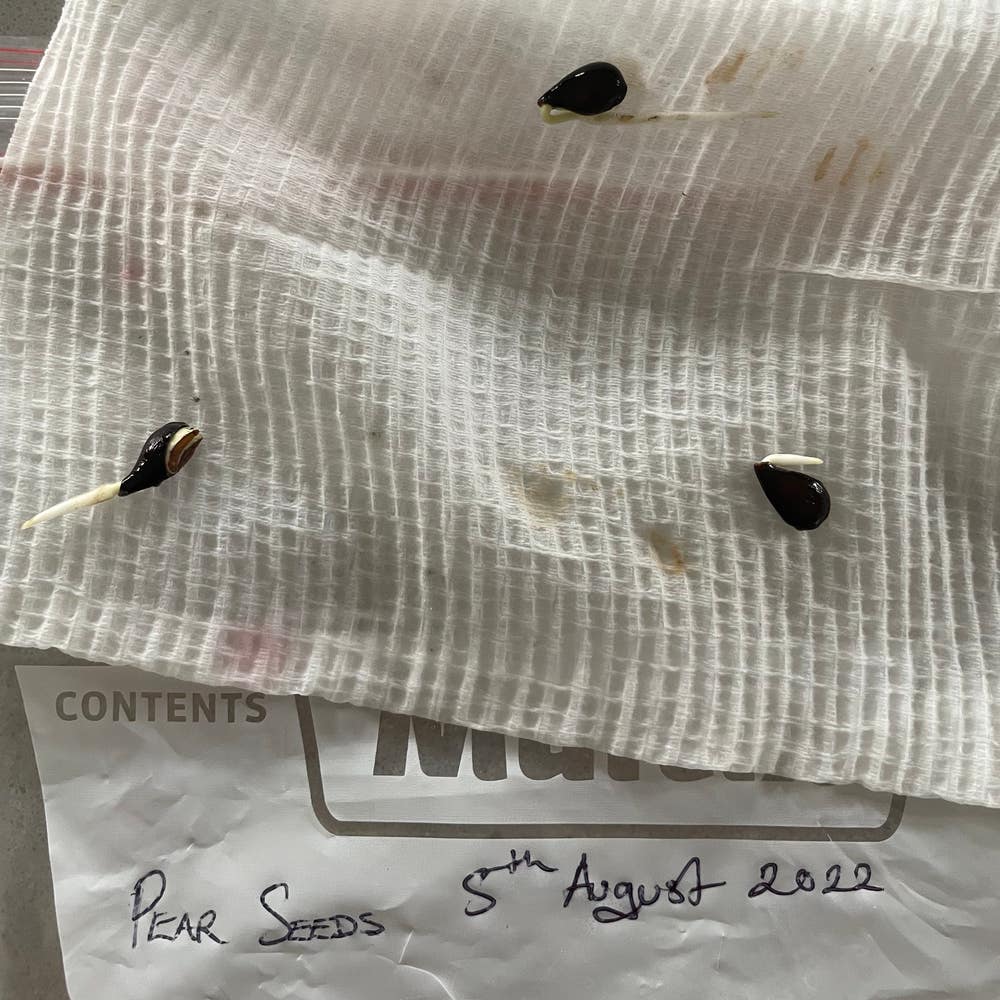
When it comes to seed production, annual plants have the upper hand, quickly producing seeds within a single growing season. In contrast, Bartlett pears take their time, reflecting their perennial nature.
Perennial seeds, including those of the Bartlett pear, often have longer dormancy periods. This means that while they may not produce seeds as rapidly, their seeds can remain viable for extended periods, ready to germinate when conditions are right.
🔄 Comparison of Reproductive Strategies
Annual plants focus on rapid reproduction and quick seed dispersal, ensuring their lineage continues year after year. However, Bartlett pears emphasize sustained growth and gradual reproductive success, allowing them to thrive over many seasons.
Understanding these differences is vital for garden planning. The strategies employed by Bartlett pears require different considerations for planting and care compared to annuals, making them a unique addition to any garden.
As we explore the implications of the Bartlett pear's perennial nature, we’ll see how these reproductive strategies influence growth and flowering patterns.
Implications of Perennial Nature
🌸 Effects on Growth and Flowering
Bartlett Pear trees exhibit consistent flowering, which means you can expect regular cycles of bloom and fruit production each year. This reliability makes them a favorite among gardeners who appreciate the predictability of their harvest.
Their growth patterns are notably more robust and resilient compared to annual plants. This resilience allows them to withstand various environmental challenges, making them a dependable choice for diverse gardening conditions.
🌳 Advantages in Garden Design
Investing in Bartlett Pears is a long-term commitment that pays off with fewer replanting needs. Their stable structure contributes to a well-established garden that can thrive for decades.
Moreover, these trees enhance biodiversity by supporting a variety of wildlife and beneficial insects. This ecological balance is crucial for a healthy garden ecosystem, promoting natural pest control and pollination.
🌱 Leveraging Perennial Nature in Planting Strategies
Companion planting with Bartlett Pears can create a diverse ecosystem in your garden. Pairing them with other perennials fosters a vibrant environment that benefits all plants involved.
Space planning is essential; consider the mature size and growth habits of Bartlett Pears when designing your garden layout. This foresight ensures that your garden remains harmonious and productive over time.
Understanding seasonal growth patterns is key to optimal planting. Timing your planting and care routines according to these cycles can significantly enhance the health and productivity of your Bartlett Pear trees.
In summary, embracing the perennial nature of Bartlett Pears not only enriches your garden but also fosters a sustainable and thriving ecosystem. As we move forward, let’s explore the variations and exceptions that can influence their growth and care.
Variations and Exceptions
🌱 Conditions Where Bartlett Pear May Be Mistaken for an Annual
Bartlett Pear trees can sometimes appear to behave like annuals due to various conditions. Environmental stressors, such as poor soil quality or extreme weather, can stunt their growth significantly.
Mismanagement, including over-pruning or neglecting proper care, can also lead to a perception of these trees as short-lived. Additionally, regional differences in climate and soil conditions can impact their growth patterns, making them seem less perennial in certain areas.
🌍 Regional Differences in Growth and Care
Understanding the hardiness zones is crucial for successful Bartlett Pear cultivation. These trees adapt to different USDA zones, which influences their growth and fruiting capabilities.
Local climate factors, including temperature fluctuations and rainfall patterns, play a significant role in their development. Tailoring care practices to regional best practices can enhance the health and productivity of Bartlett Pear trees, ensuring they thrive as the perennials they are meant to be.
As we explore the implications of their perennial nature, consider how these factors can influence your gardening strategies.
Maximizing Longevity in the Garden
🌱 Tips for Managing as a Perennial
To ensure your Bartlett Pear thrives as a perennial, focus on effective pruning techniques. Prune during the dormant season to encourage healthy growth and shape the tree for optimal sunlight exposure.
A balanced fertilization schedule is also crucial. Use organic fertilizers to provide essential nutrients, supporting long-term health and robust fruit production.
Pest management is key to maintaining your tree's vitality. Implement integrated pest management strategies, combining natural predators and organic treatments to protect against common threats.
🌳 Best Practices for Ensuring Long-Term Health and Productivity
Maintaining soil health is foundational for your Bartlett Pear's longevity. Regularly test your soil and amend it with organic matter to keep it fertile and nutrient-rich.
Adopt deep watering strategies to encourage strong root development. This method helps the tree access moisture deeper in the soil, promoting resilience during dry spells.
Lastly, adjust your care practices based on seasonal changes. Understanding the growth stages of your Bartlett Pear allows you to tailor your approach, ensuring it remains healthy and productive throughout its life.
By implementing these strategies, you can maximize the longevity and productivity of your Bartlett Pear, creating a flourishing addition to your garden. Next, let’s explore the variations and exceptions that may affect its growth.
⚠️ Safety First
This content is for general information and may contain errors, omissions, or outdated details. It is not medical, veterinary advice, or an endorsement of therapeutic claims.
Always consult a qualified healthcare professional before using any plant as food, medicine, or supplement.
Never eat any plant (or feed one to pets) without confirming its identity with at least two trusted sources.
If you suspect poisoning, call Poison Control (800) 222-1222, the Pet Poison Helpline (800) 213-6680, or your local emergency service immediately.
Spotted an error? Please report it here.
Discover the timeless beauty of Bartlett pears 🌳 and let Greg guide you with tailored care tips to help your trees flourish for generations!