🍐 Bartlett Pear: A Perennial Plant
Pyrus communis 'Bartlett'
By the Greg Editorial Team
Nov 06, 2024•6 min read
This article was created with the help of AI so we can cover more plants for you. May contain errors. See one? Report it here.
Unlock a bountiful harvest with the resilient Bartlett Pear tree, ensuring delicious fruit for years! 🍐🌱
- 🌳 Bartlett Pears thrive for 30-50 years, ensuring a long-term fruit supply.
- 🍐 Seasonal changes dictate growth, flowering, and harvest times for optimal yields.
- 🌱 Proper care and soil health are essential for thriving Bartlett Pear trees.
Characteristics of Bartlett Pear as a Perennial
🌱 Multi-Year Lifecycle
The Bartlett Pear tree follows a fascinating multi-year lifecycle that includes several distinct stages: germination, growth, flowering, fruiting, and dormancy. Each stage plays a crucial role in the tree's development and productivity.
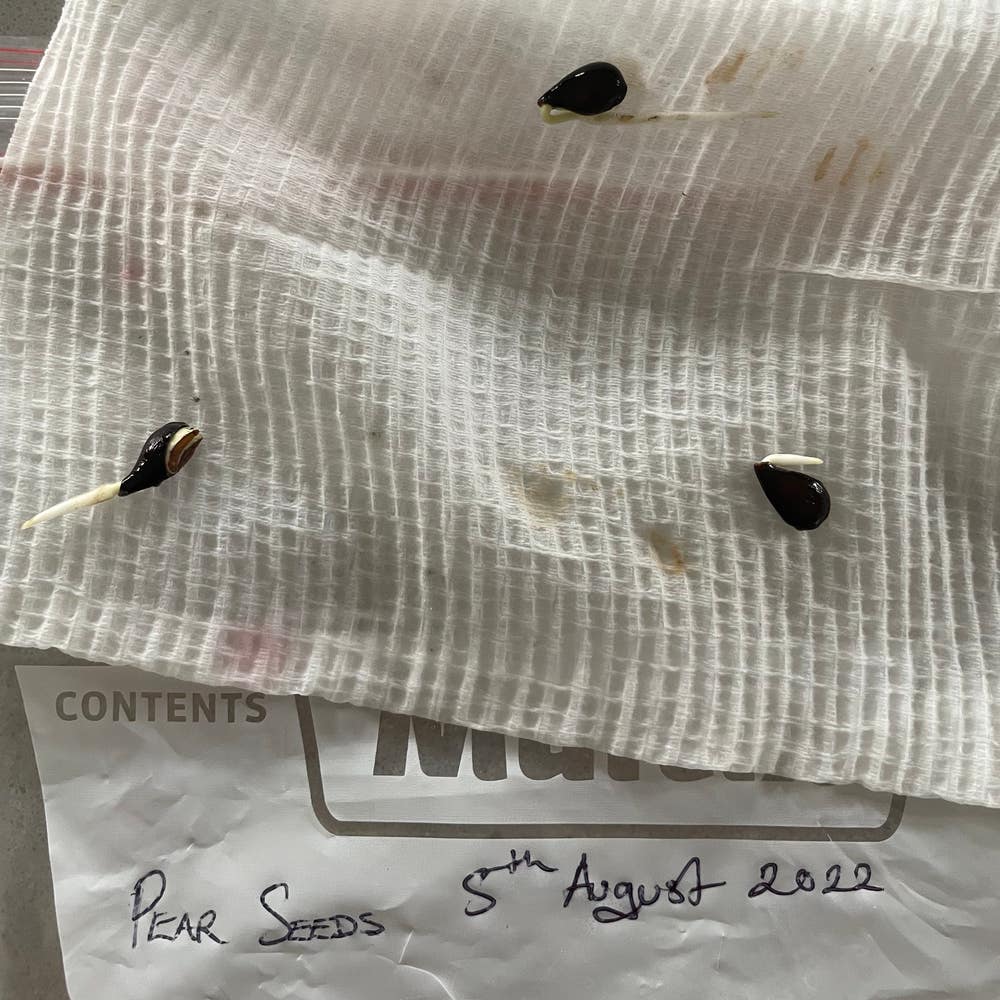
During germination, seeds sprout and begin their journey. As the tree grows, it enters a flowering phase, producing beautiful blossoms that eventually lead to fruiting. Remarkably, Bartlett Pear trees consistently yield crops each year, showcasing their resilience and ability to thrive in various conditions.
🌳 Growth Patterns and Regrowth
One of the standout features of the Bartlett Pear is its robust root system. Established roots not only anchor the tree but also support regrowth, allowing it to flourish season after season.
This perennial plant has an impressive ability to sprout new growth from the same root system each year. This characteristic is vital for its survival and productivity, ensuring that the tree can continue to produce fruit and maintain its health over time.
The combination of a strong root system and consistent regrowth makes the Bartlett Pear a reliable choice for gardeners looking to enjoy its delicious fruit for many years.
As we explore the seasonal changes and dormancy of the Bartlett Pear, we’ll see how these factors further influence its growth and overall health.
Seasonal Changes and Dormancy
🌱 Dormancy Periods and Seasonal Changes
Bartlett Pear trees enter a dormancy period during the winter months. This is a crucial time for energy conservation, allowing the tree to prepare for the upcoming growing season.
During dormancy, physiological changes occur within the tree. It conserves energy and resources, ensuring it can thrive when warmer weather returns.
🍂 Seasonal Changes Throughout the Year
The life of a Bartlett Pear tree is marked by distinct seasonal changes.
- Spring: This season brings bud break and flowering, signaling the start of new growth.
- Summer: The tree focuses on fruit development, nurturing the pears as they grow.
- Fall: Harvest time arrives, offering a bounty of ripe fruit ready for picking.
- Winter: The tree rests, entering dormancy to recharge for the next cycle.
Understanding these seasonal changes helps gardeners anticipate the needs of their Bartlett Pear trees throughout the year. This knowledge is essential for successful cultivation and maximizing fruit production.
As we explore the impact of the perennial nature of Bartlett Pears on growth and lifespan, we’ll uncover how these seasonal rhythms influence flowering and fruiting patterns.
Impact of Perennial Nature on Growth and Lifespan
Effects on Flowering and Fruiting 🌸
The perennial nature of the Bartlett Pear significantly influences its flowering patterns. Each year, these trees produce a consistent display of blossoms, which is crucial for reliable fruit production.
This regularity not only ensures a steady supply of pears but also enhances the overall quality and quantity of the fruit. With each blooming cycle, the tree's ability to produce high-quality fruit improves, making it a favorite among gardeners and fruit enthusiasts alike.
Expected Lifespan and Influencing Factors ⏳
Bartlett Pear trees are known for their impressive longevity, often living for several decades. Typically, they can thrive for 30 to 50 years or more, providing a long-term source of fruit.
However, their lifespan can be influenced by several factors. Soil quality, climate conditions, and care practices all play vital roles in determining how long these trees will flourish. Proper maintenance and attention to their needs can significantly extend their productive years, ensuring a fruitful garden for generations.
Variations Across Climate Zones
🌱 Perennial Behavior in Different Climates
Climate plays a crucial role in the growth patterns of Bartlett Pear trees. Depending on the region, flowering and fruiting times can vary significantly, affecting the overall yield.
In warmer climates, these trees may bloom earlier in the spring, leading to an extended growing season. Conversely, in cooler areas, flowering might be delayed, which can influence the timing of fruit development and harvesting.
🌡️ Impact of Temperature and Precipitation
Temperature and precipitation are vital for the health and productivity of Bartlett Pears. Adequate rainfall supports robust growth, while extreme temperatures can stress the trees, impacting their fruit quality and quantity.
For instance, excessive heat can lead to sunburn on fruits, while insufficient water can stunt growth. Understanding these factors helps gardeners optimize conditions for their Bartlett Pears.
🌍 Adaptations to Growing Conditions
Bartlett Pears have developed specific adaptations that allow them to thrive in various climates. These adaptations include a resilient root system that can access deeper moisture and nutrients, ensuring survival during dry spells.
Additionally, the tree's ability to adjust its flowering time based on local climate conditions enhances its chances of successful fruiting. This flexibility is key to maintaining productivity across different environments.
🌳 Importance of Selecting Appropriate Varieties
Choosing the right variety of Bartlett Pear for your climate zone is essential for optimal growth. Some varieties are bred to withstand colder temperatures, while others flourish in warmer regions.
By selecting the appropriate type, gardeners can ensure better fruit production and tree health. This consideration is crucial for anyone looking to cultivate these delightful pears successfully.
As we explore the impact of perennial nature on growth and lifespan, we’ll see how these factors further influence the overall success of Bartlett Pear cultivation.
Maximizing Benefits in Garden Planning
🌱 Utilizing Perennial Nature
When planning your garden, consider the strategic planting of Bartlett Pear trees. Proper spacing is crucial; it allows for air circulation and sunlight penetration, which are vital for healthy growth.
Companion planting can also enhance your garden's ecosystem. Pairing Bartlett Pear with compatible plants can improve pollination and deter pests, leading to a more productive yield.
Soil health is another key factor. Regularly testing and amending your soil ensures that your trees receive the nutrients they need for long-term success. Healthy soil promotes robust root systems, which are essential for the perennial nature of Bartlett Pear.
📅 Long-Term Cultivation Strategies
Monitoring the health of your Bartlett Pear trees is essential. Early intervention for pests and diseases can save your trees from significant damage and ensure consistent fruit production.
Planning for seasonal changes is equally important. Adjust your care practices based on the tree's dormancy and growth cycles. This proactive approach helps maintain tree vigor and maximizes fruit quality.
By understanding and leveraging the perennial nature of Bartlett Pear, you can create a thriving garden that yields delicious fruit for years to come. As you cultivate your trees, remember that patience and attention to detail will pay off in the long run.
⚠️ Safety First
This content is for general information and may contain errors, omissions, or outdated details. It is not medical, veterinary advice, or an endorsement of therapeutic claims.
Always consult a qualified healthcare professional before using any plant as food, medicine, or supplement.
Never eat any plant (or feed one to pets) without confirming its identity with at least two trusted sources.
If you suspect poisoning, call Poison Control (800) 222-1222, the Pet Poison Helpline (800) 213-6680, or your local emergency service immediately.
Spotted an error? Please report it here.
Grow your own delicious Bartlett Pears 🍐 for years to come with Greg's tailored care reminders that keep your tree thriving through every season!