Ultimate Guide to Propagating Bartlett Pear Tree 🍐
Pyrus communis 'Bartlett'
By the Greg Editorial Team
Oct 11, 2024•5 min read
This article was created with the help of AI so we can cover more plants for you. May contain errors. See one? Report it here.
Master Bartlett Pear propagation 🌳 with expert grafting techniques to grow your garden's bounty effortlessly!
- 🌱 Grafting is key for Bartlett Pear trees; use proper tools and timing.
- 🌿 Cuttings thrive in warm conditions; maintain around 70°F for best results.
- 🍐 Seed propagation needs patience; expect years before fruit-bearing seedlings.
Grafting
Tools Needed for Grafting 🛠️
To successfully graft a Bartlett Pear tree, you'll need a few essential tools. Start with a sharp grafting knife or pruning shears for clean cuts.
Next, gather grafting tape or parafilm to secure your graft. Selecting the right rootstock is crucial; ensure it’s a compatible variety. Lastly, always use clean, disinfected tools to prevent disease.
Step-by-Step Grafting Process 📋
Grafting may seem daunting, but breaking it down makes it manageable. Follow these steps for a successful graft:
- Select healthy scion wood from a Bartlett Pear cultivar.
- Prepare the rootstock by making a clean cut at a 45-degree angle.
- Make a matching cut on the scion wood.
- Join the scion and rootstock, ensuring good cambium contact.
- Secure with grafting tape or parafilm to hold them together.
- Seal the graft with grafting wax to prevent moisture loss.
Each step is vital for ensuring a successful graft, so take your time and be precise.
Best Time for Grafting ⏰
Timing is everything when it comes to grafting. The optimal period is late winter to early spring, just before bud break.
Temperature plays a significant role, too. Aim for conditions between 60°F and 70°F (15°C to 21°C) for the best results. This ensures that your graft has the best chance to thrive.
With the right tools, a clear process, and optimal timing, you’re well on your way to successfully propagating your Bartlett Pear tree. Next, let’s explore cutting propagation, another effective method for growing this delicious fruit.
Cutting Propagation
🌱 Selecting the Right Cuttings
For successful cutting propagation, semi-hardwood cuttings are your best bet. Aim for pieces that are 6-8 inches long, taken from healthy branches during late spring to early summer for optimal results.
✂️ Preparing Cuttings for Rooting
Preparation is key to rooting success. Start by removing the lower leaves, leaving just 2-3 at the top, and make a clean cut just below a node to encourage rooting.
🌿 Using Rooting Hormone
Rooting hormone plays a crucial role in the propagation of pears. Dip the cut end of your prepared cutting in rooting hormone powder or gel to boost your chances of success.
🌡️ Ideal Conditions for Rooting
Creating the right environment is essential for rooting. Use a well-draining potting mix, like a blend of peat and perlite, and keep the soil consistently moist but not soggy.
Maintain a temperature around 70°F (21°C) for optimal rooting conditions. This warmth encourages healthy growth and increases your chances of success.
With these steps, you're well on your way to propagating Bartlett Pear trees through cuttings. Next, let’s explore the layering technique, another effective method for expanding your pear tree collection.
Layering Technique
🌳 Types of Layering (Mound vs. Air)
Layering is a fantastic way to propagate Bartlett Pear trees, and there are two main techniques: mound layering and air layering.
- Mound Layering: This method involves piling soil around the base of a healthy branch to encourage it to root while still attached to the parent plant.
- Air Layering: In this technique, you wound a branch and wrap it with moist sphagnum moss, creating a mini greenhouse effect that promotes root growth.
🛠️ Step-by-Step Layering Process
Mound Layering
- Select a healthy branch and gently bend it to the ground.
- Cover the bent section with soil, ensuring the tip remains exposed.
Air Layering
- Make a circular cut around the branch to expose the cambium layer.
- Apply rooting hormone to the exposed area.
- Wrap the wounded section with moist sphagnum moss and secure it with plastic wrap.
⏰ Timing for Layering
The best time to perform layering is during late spring to early summer. This timing aligns with the plant's active growth phase, enhancing the chances of successful rooting.
By mastering these layering techniques, you can expand your Bartlett Pear tree collection with ease. Next, let’s explore seed propagation, another exciting method to grow these delightful trees.
Seed Propagation
🌱 Collecting and Preparing Seeds
Harvesting seeds from ripe Bartlett pears is all about timing. Wait until the fruit is fully mature for the best quality seeds.
Once you've collected the seeds, cleaning them is essential. Remove any pulp and rinse them thoroughly to prevent mold during germination.
🌼 Germination Process
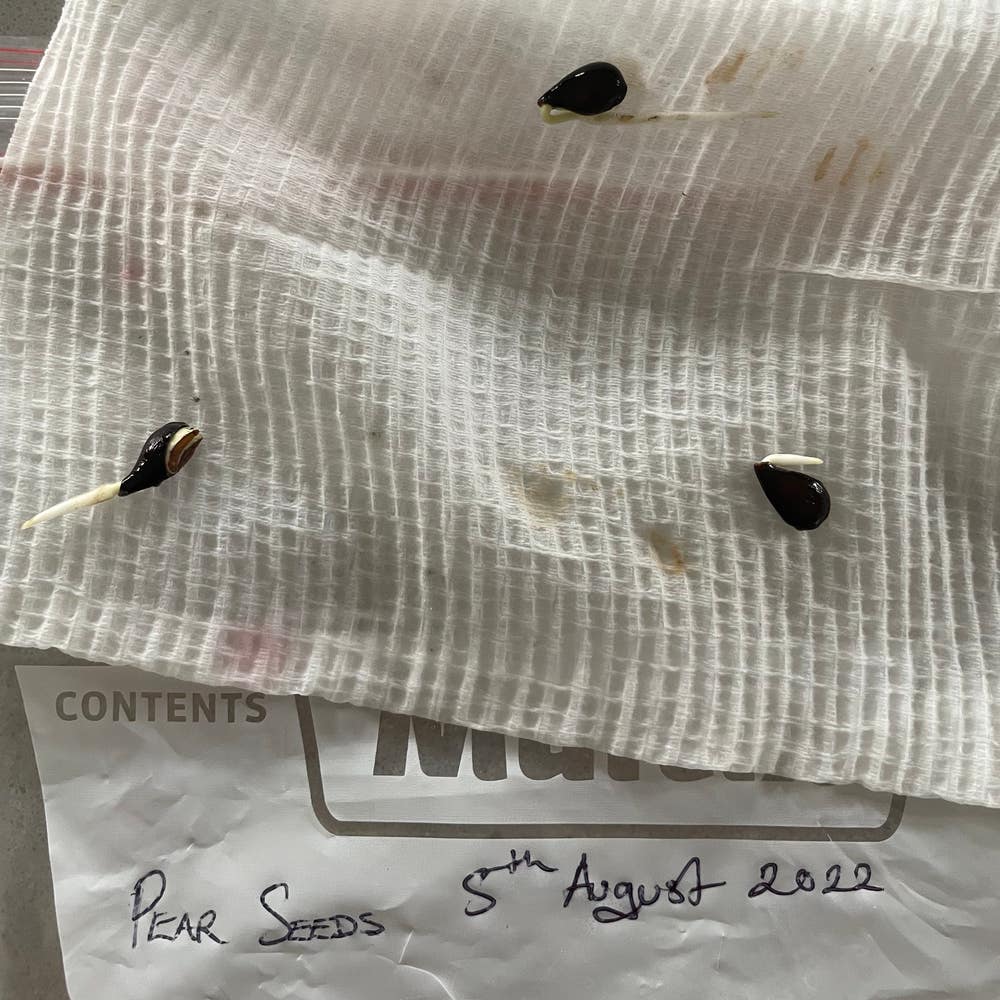
To kickstart the germination process, stratification is key. This cold treatment mimics winter conditions and should last between 30 to 60 days.
When planting, bury the seeds about 1/2 inch deep in well-draining soil. This depth helps ensure they have the right conditions for sprouting.
⚠️ Challenges of Seed Propagation
One of the main challenges with seed propagation is genetic variability. The traits of the offspring can be unpredictable, which may lead to surprises down the line.
Additionally, be prepared for a longer wait to see fruit. It can take several years for seedlings to mature enough to produce pears, so patience is essential.
Understanding these aspects of seed propagation will set you up for success. Next, let’s explore common challenges and solutions in propagating your Bartlett pear tree.
Common Challenges and Solutions
🌱 Low Success Rates in Propagation
Propagation can be tricky, and many gardeners face low success rates. Common mistakes include incorrect timing and poor moisture control.
To improve your chances, focus on using high-quality cuttings. Regularly monitor environmental conditions to ensure optimal growth.
🐛 Pests and Diseases in Young Plants
Young plants are vulnerable to pests like aphids and spider mites. These pests can quickly damage your precious cuttings if left unchecked.
Prevention is key. Conduct regular inspections and consider organic pest control methods to keep your plants healthy.
🌞 Environmental Factors Affecting Propagation
Light plays a crucial role in the success of rooting cuttings. Ensure your plants receive adequate sunlight to promote healthy growth.
Temperature control is equally important. Avoid exposing your plants to extreme temperatures during the propagation stages to enhance their chances of survival.
By addressing these common challenges, you can significantly improve your propagation success. Next, let’s explore the various methods of propagating Bartlett Pear trees in detail.
⚠️ Safety First
This content is for general information and may contain errors, omissions, or outdated details. It is not medical, veterinary advice, or an endorsement of therapeutic claims.
Always consult a qualified healthcare professional before using any plant as food, medicine, or supplement.
Never eat any plant (or feed one to pets) without confirming its identity with at least two trusted sources.
If you suspect poisoning, call Poison Control (800) 222-1222, the Pet Poison Helpline (800) 213-6680, or your local emergency service immediately.
Spotted an error? Please report it here.
Propagate your Bartlett Pear tree successfully 🍐 with Greg's expert tips and personalized reminders for grafting, cutting, and layering, ensuring your plants thrive!