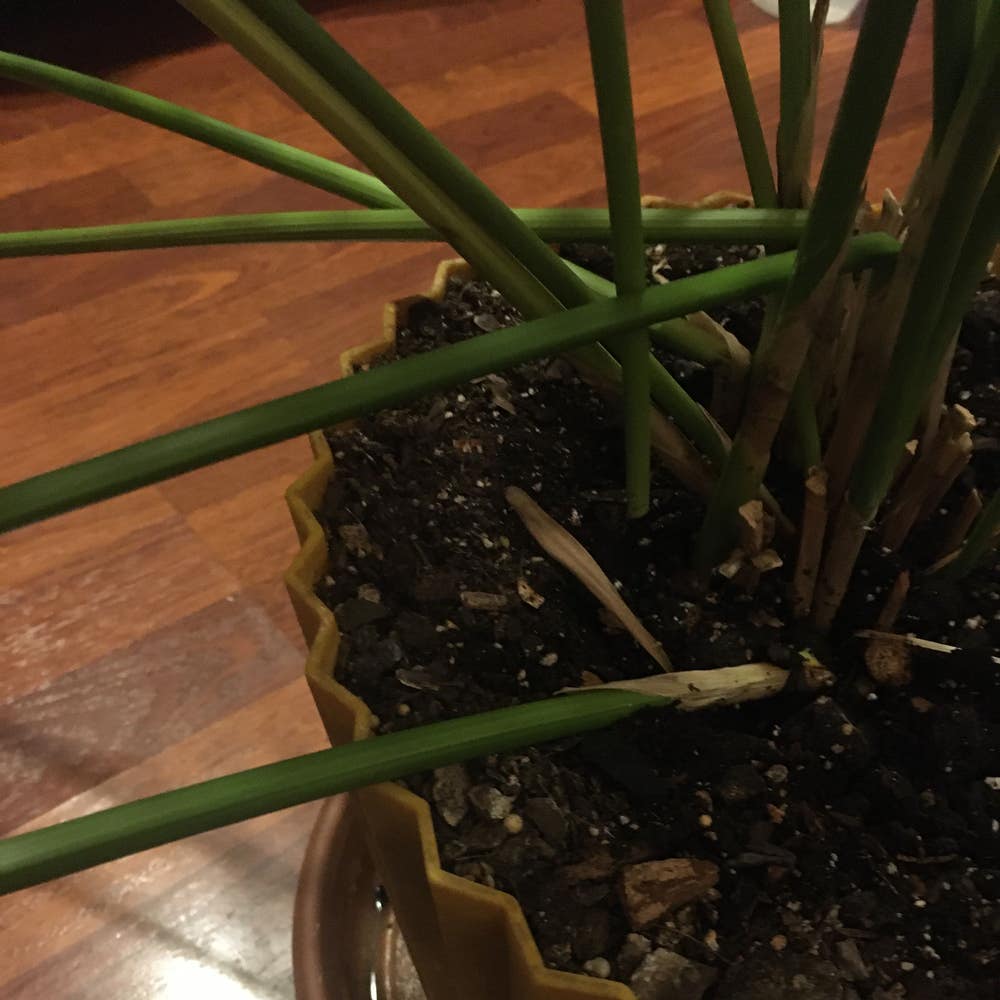
👑 Why Prince Tut Cyperus Is A Perennial Plant
Cyperus papyrus 'Prince Tut'
By the Greg Editorial Team
Aug 26, 2024•5 min read
This article was created with the help of AI so we can cover more plants for you. May contain errors. See one? Report it here.
Elevate your garden with the resilient Prince Tut Cyperus, a perennial that thrives year after year! 🌱
- 🌱 Prince Tut Cyperus is a perennial, thriving for years without replanting.
- 💧 Moist conditions are essential for its vibrant growth and resilience.
- 🌿 Strong root system ensures stability, making it ideal for various climates.
Characteristics of Prince Tut Cyperus as a Perennial
🌱 Multi-Year Lifecycle
Prince Tut Cyperus is a remarkable perennial that can thrive for several years. Its robust root system allows it to continuously grow, setting it apart from annual and biennial plants that require replanting each season.
Annuals complete their lifecycle in one year, while biennials take two. In contrast, Prince Tut Cyperus offers sustainability, providing gardeners with a long-lasting green presence.
📈 Growth Patterns and Regrowth from Roots
This plant showcases tall growth with distinctive tufted tops, making it a striking addition to any garden. It thrives in moist conditions, which is essential for its vibrant appearance.
One of its standout features is the ability to regenerate each year from the same root system. This resilience and adaptability ensure that it can withstand various environmental challenges.
Factors like water levels, soil quality, and overall environmental conditions play a crucial role in its growth. By understanding these influences, gardeners can optimize the conditions for Prince Tut Cyperus, ensuring a flourishing plant year after year.
In summary, the characteristics of Prince Tut Cyperus as a perennial not only enhance its appeal but also make it a practical choice for gardeners. Its longevity and adaptability set the stage for a thriving garden, leading us to explore the seasonal changes and dormancy that affect its growth.
Seasonal Changes and Dormancy
🌱 Dormancy Periods
Dormancy in Prince Tut Cyperus occurs when growth slows or completely halts, typically due to seasonal changes. During this time, the plant conserves energy, preparing for the next growth cycle.
Signs of dormancy are easy to spot. You may notice yellowing leaves and a reduced growth rate, indicating that the plant is resting.
🌦️ Seasonal Changes Affecting Growth and Flowering
Prince Tut Cyperus exhibits distinct seasonal growth patterns. It thrives in warmer months, showcasing lush green foliage, while cooler months may bring a noticeable slowdown.
Flowering cycles are closely tied to these seasonal changes. The timing of flowering often aligns with temperature shifts, making it essential to understand your local climate for optimal blooms.
Advantages of Perennial Nature
🌱 Benefits for Gardeners
One of the standout advantages of Prince Tut Cyperus is its reduced need for replanting. Once established, this perennial plant thrives year after year, saving gardeners both time and resources.
Additionally, its strong root system plays a crucial role in its resilience. These established roots provide stability, allowing the plant to withstand varying environmental conditions with ease.
⏳ Expected Lifespan and Longevity Factors
Prince Tut Cyperus typically enjoys a long lifespan, often living for several years when given proper care. This longevity makes it a valuable addition to any garden.
However, several factors can influence its lifespan. Key elements include water availability, soil conditions, climate, and the level of care provided, all of which contribute to the plant's overall health and vitality.
Incorporating Prince Tut Cyperus into your garden not only enhances its beauty but also simplifies maintenance. With its perennial nature, you can enjoy a flourishing garden without the hassle of annual replanting.
As we explore further, let’s dive into how climate zone variations can impact the growth and behavior of this remarkable plant.
Climate Zone Variations
Variations in Perennial Behavior Across Different Climates 🌍
Climate zones play a crucial role in the growth and behavior of Prince Tut Cyperus. In warmer climates, this perennial thrives, showcasing its lush, tufted tops and vibrant green foliage.
Conversely, in cooler climates, it may exhibit shorter growth and a more pronounced dormancy period. These adaptations help it survive and flourish, regardless of environmental challenges.
Factors Influencing Growth in Various Conditions 💧
Water levels significantly impact the health of Prince Tut Cyperus. This plant demonstrates impressive tolerance to varying moisture levels, thriving in both wet and moderately dry conditions.
Soil quality is equally important. Nutrient-rich, well-draining soils are essential for optimal growth, ensuring the plant receives the necessary nutrients while preventing root rot.
Understanding these factors can help gardeners maximize the potential of Prince Tut Cyperus in diverse climates. With the right care, this perennial can be a stunning addition to any garden, regardless of location.
As we explore the advantages of its perennial nature, let’s delve into the benefits it offers for gardeners.
Maximizing Benefits in Garden Planning
Tips for Long-Term Cultivation 🌱
To successfully cultivate Prince Tut Cyperus as a perennial, start by selecting a suitable location. Ensure it receives ample sunlight and has access to moist soil, as these conditions are crucial for its growth.
Regular monitoring is essential for maintaining its health. Keep an eye out for yellowing leaves or stunted growth, which can indicate issues with water or nutrients.
Strategies for Incorporating in Garden Design 🌼
When designing your garden, consider the ornamental value of Prince Tut Cyperus. Its tall, tufted tops can create stunning focal points or serve as natural privacy screens.
Companion planting can enhance both aesthetics and health in your garden. Consider pairing it with plants like ferns or hostas, which thrive in similar conditions and complement its lush appearance.
By thoughtfully integrating Prince Tut Cyperus into your garden, you can enjoy its beauty and resilience for years to come. This approach not only maximizes its benefits but also enriches your overall gardening experience.
⚠️ Safety First
This content is for general information and may contain errors, omissions, or outdated details. It is not medical, veterinary advice, or an endorsement of therapeutic claims.
Always consult a qualified healthcare professional before using any plant as food, medicine, or supplement.
Never eat any plant (or feed one to pets) without confirming its identity with at least two trusted sources.
If you suspect poisoning, call Poison Control (800) 222-1222, the Pet Poison Helpline (800) 213-6680, or your local emergency service immediately.
Spotted an error? Please report it here.
Keep your Prince Tut Cyperus thriving for years 🌱 with Greg's tailored watering reminders and expert care tips that ensure your garden remains a stunning focal point!