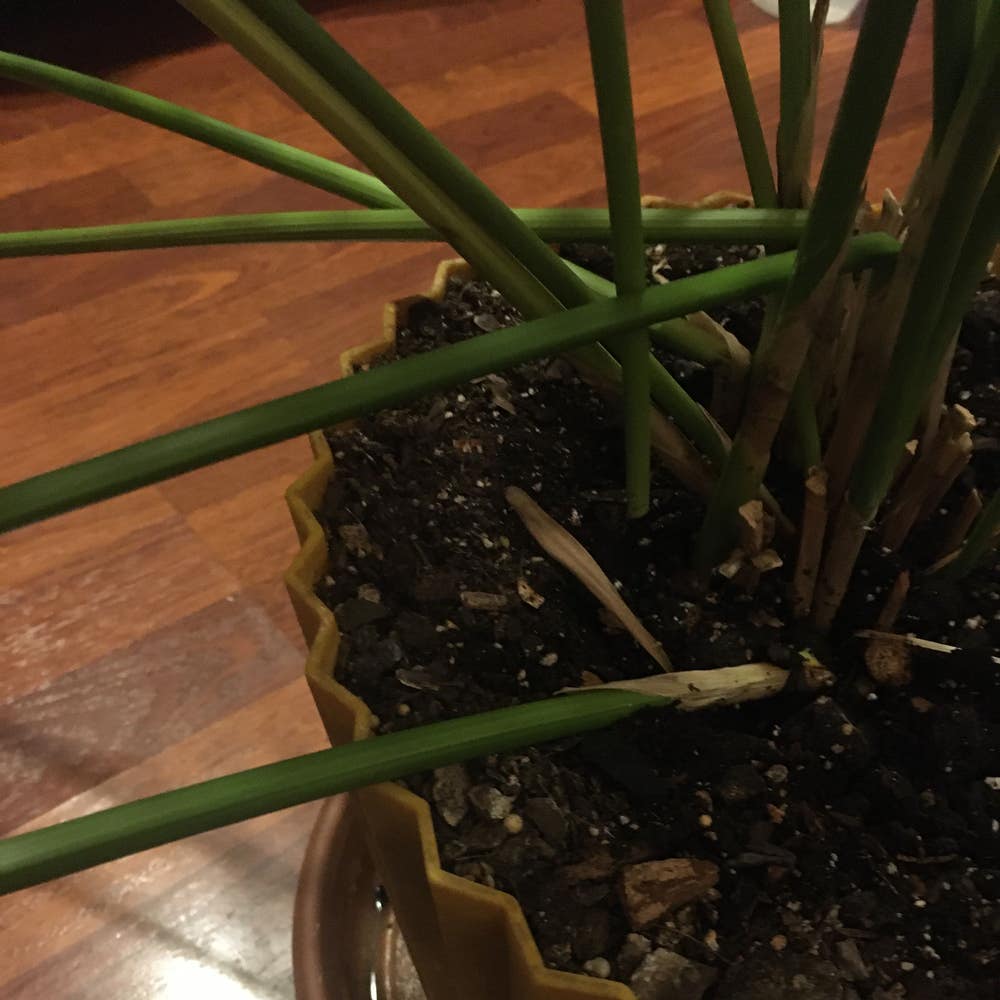
👑 How to Fix Leaves Falling Over on Your Prince Tut Cyperus
Cyperus papyrus 'Prince Tut'
By the Greg Editorial Team
Aug 26, 2024•5 min read
This article was created with the help of AI so we can cover more plants for you. May contain errors. See one? Report it here.
Transform your drooping Prince Tut Cyperus 🌱 into a thriving beauty with essential care tips for vibrant growth!
- 🌱 Environmental stress from light, humidity, and temperature causes leaves to droop.
- 💧 Balance watering: both overwatering and underwatering lead to drooping leaves.
- 🐛 Pest damage can cause wilting; monitor regularly for early signs.
Causes of Leaves Falling Over
🌪️ Environmental Stress Factors
Light Conditions
Insufficient light can lead to drooping leaves and a leggy appearance. On the flip side, excessive direct sunlight may scorch the leaves, causing them to droop as well.
Humidity Levels
Low humidity levels often result in wilting and drooping leaves. Conversely, high humidity is ideal for maintaining the structural integrity of the leaves.
Temperature Fluctuations
Extreme temperature changes can stress your Prince Tut Cyperus, leading to drooping leaves. Consistency in temperature is key to keeping your plant healthy.
💧 Watering Issues
Overwatering
Overwatering is a common issue that manifests as yellowing leaves and can lead to root rot. Poor soil drainage from overwatering will ultimately cause the leaves to droop.
Underwatering
Underwatering presents itself through dry, crispy leaves and wilting. When the plant lacks moisture, the leaves will droop as a sign of distress.
🥦 Nutrient Deficiencies
Signs of Nutrient Deficiency
Yellowing leaves often indicate a lack of essential nutrients. Additionally, stunted growth can signal insufficient fertilization, which can contribute to drooping leaves.
Recommended Fertilizers
Using balanced NPK fertilizers specifically formulated for aquatic plants can help. Apply these fertilizers every 4-6 weeks during the growing season for best results.
🐛 Pest Problems
Common Pests Affecting Cyperus
Aphids and spider mites are common pests that can wreak havoc on your plant. Aphids are small, sap-sucking insects that cause leaf curling, while spider mites create webbing and damage leaves.
Identifying Pest Damage
Look for signs like wilting, discoloration, and visible pests on the leaves. Pest damage weakens the plant, which can lead to drooping leaves if not addressed promptly.
Understanding these causes is crucial for maintaining the health of your Prince Tut Cyperus. By identifying and addressing these issues, you can ensure your plant thrives and remains vibrant.
Solutions and Treatments
🌞 Adjusting Light and Humidity
To help your Prince Tut Cyperus thrive, start by adjusting its light conditions. If the plant is not getting enough light, consider moving it to a brighter location.
Humidity plays a crucial role in maintaining leaf structure. If the air is too dry, use a humidifier or a pebble tray filled with water to increase humidity levels around the plant.
💧 Proper Watering Techniques
How to Water Correctly
- Check soil moisture before watering to avoid over or underwatering.
- Water thoroughly until excess drains from the bottom of the pot.
- Allow the top inch of soil to dry out between waterings to ensure proper moisture balance.
Signs of Proper Watering
Healthy, vibrant leaves are a good indicator of adequate moisture. If you notice no yellowing or wilting, your plant is likely well-hydrated.
🌱 Fertilization Tips
Types of Fertilizers to Use
For optimal growth, use balanced NPK fertilizers specifically formulated for aquatic plants. Organic options like fish emulsion or seaweed extract can also be beneficial.
Application Frequency
Stick to a regular fertilization schedule, applying every 4-6 weeks during the growing season to keep your plant nourished.
🐞 Pest Control Methods
Organic and Chemical Options
Consider using neem oil, which is effective against a variety of pests. Insecticidal soap is another safe option, especially for edible plants.
Preventative Measures
Regular inspections are key to catching pest issues early. Maintaining healthy plant practices will help create optimal growing conditions, reducing the likelihood of infestations.
With these solutions and treatments, your Prince Tut Cyperus will be on its way to recovery. Next, let's explore preventative care to keep your plant healthy in the long run.
Preventative Care
Regular Maintenance Practices 🌱
Pruning is essential for your Prince Tut Cyperus. Regularly remove dead or damaged leaves to encourage new growth and maintain a healthy appearance.
Cleaning the leaves is equally important. Wipe them down to eliminate dust and pests, ensuring your plant can photosynthesize effectively.
Seasonal Adjustments 🌦️
During winter, it's crucial to adjust your care routine. Reduce watering frequency as the plant enters dormancy to prevent overwatering.
In summer, increase humidity and watering as needed. This helps your plant thrive in warmer conditions, keeping those leaves vibrant and healthy.
Monitoring Plant Health 👀
Conduct weekly checks on your plant. Look for signs of stress or pest issues, allowing you to catch problems early.
Be prepared to adjust your care routines based on seasonal changes and the specific needs of your plant. Staying attentive will help you maintain a flourishing Prince Tut Cyperus.
As you implement these preventative care strategies, you'll set the stage for a healthier plant. Next, let’s explore when to seek professional help if issues persist.
When to Seek Professional Help
Signs That Indicate Professional Intervention 🆘
Sometimes, despite your best efforts, your Prince Tut Cyperus may still struggle. If you notice persistent drooping even after making care adjustments, it’s time to consider professional help.
Severe pest infestations can also signal the need for expert intervention. If you’re overwhelmed by pests that seem impossible to manage, don’t hesitate to reach out for assistance.
Resources for Plant Care Experts 🌱
Local extension services are a fantastic resource for plant care advice. They can provide tailored guidance based on your specific region and plant needs.
Additionally, online plant care forums are great for connecting with experienced gardeners. These communities can offer support, tips, and shared experiences to help you navigate your plant care challenges.
By knowing when to seek help and where to find it, you can ensure your Prince Tut Cyperus gets the best care possible. Now, let’s explore some preventative care practices to keep your plant thriving.
⚠️ Safety First
This content is for general information and may contain errors, omissions, or outdated details. It is not medical, veterinary advice, or an endorsement of therapeutic claims.
Always consult a qualified healthcare professional before using any plant as food, medicine, or supplement.
Never eat any plant (or feed one to pets) without confirming its identity with at least two trusted sources.
If you suspect poisoning, call Poison Control (800) 222-1222, the Pet Poison Helpline (800) 213-6680, or your local emergency service immediately.
Spotted an error? Please report it here.
Keep your Prince Tut Cyperus standing tall 🌿 by using Greg's tailored care reminders and community insights to master the perfect balance of light, humidity, and watering!