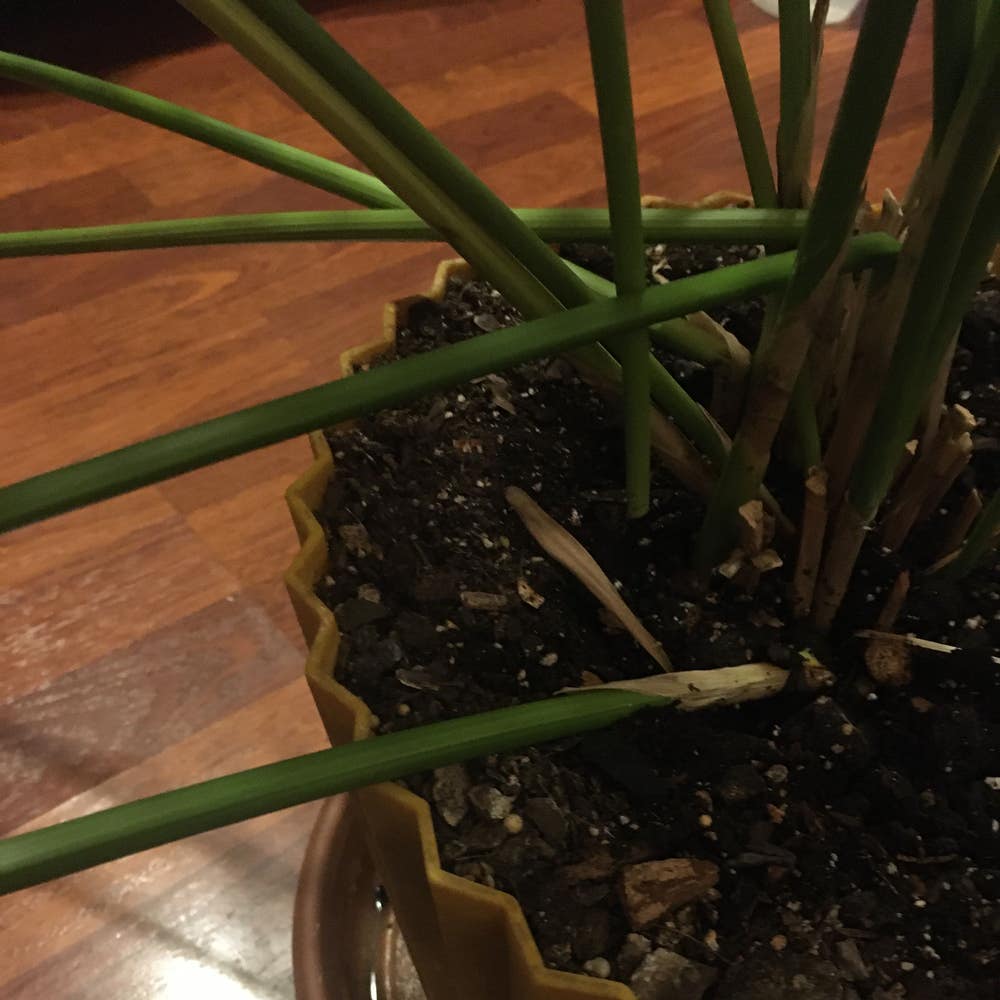
👑 What to Do About Dropping Leaves on Your Prince Tut Cyperus
Cyperus papyrus 'Prince Tut'
By the Greg Editorial Team
Aug 26, 2024•4 min read
This article was created with the help of AI so we can cover more plants for you. May contain errors. See one? Report it here.
Transform your Prince Tut Cyperus from droopy to dazzling 🌿 with these vital care tips to prevent leaf drop!
- 💧 Proper watering prevents leaf drop; avoid soggy soil and dry, crumbly conditions.
- 🌞 Bright, indirect sunlight is essential; insufficient light causes pale leaves and stretching.
- 🌬️ Maintain humidity between 50-70% to prevent curling and browning of leaves.
Diagnosing the Problem
🌊 Assessing Watering Practices
Understanding your watering practices is crucial for maintaining a healthy Prince Tut Cyperus. Both overwatering and underwatering can lead to leaf drop, so let’s dive into the signs of each.
Signs of Overwatering
Overwatering can be a sneaky culprit. If the soil feels soggy or waterlogged, it’s a clear indication that your plant is drowning.
Inspecting the roots can provide further insight. Dark, mushy roots signal that your plant is suffering from excess moisture.
Signs of Underwatering
On the flip side, underwatering can also cause distress. If the soil is dry and crumbly, your plant is likely thirsty.
Take a close look at the leaves; dry, brittle leaves are a telltale sign that your Prince Tut needs a drink.
🌍 Evaluating Environmental Conditions
Environmental factors play a significant role in your plant's health. Let’s explore light, humidity, and temperature to ensure your Cyperus thrives.
Light Requirements
Your Prince Tut loves bright, indirect sunlight. If you notice stretching stems or pale leaves, it’s a sign that your plant isn’t getting enough light.
Humidity Levels
Humidity is another key player. Use a hygrometer to measure humidity accurately; low levels can lead to leaf curling and browning.
Temperature Considerations
Temperature matters too. The ideal range for your Prince Tut is between 65°F to 85°F. If you see leaf drop during extreme heat or cold, your plant is likely stressed.
By diagnosing these issues, you can take the necessary steps to restore your Prince Tut Cyperus to its vibrant self. Next, we’ll explore effective solutions for leaf drop.
Solutions for Leaf Drop
🌊 Adjusting Watering Techniques
Proper Watering Schedule
To keep your Prince Tut Cyperus thriving, establish a consistent watering routine. Water when the top inch of soil feels dry, ensuring you provide enough water so that it drains out of the bottom.
Soil Moisture Testing
Regularly check the soil moisture to avoid over or underwatering. Use a moisture meter or simply test with your finger; the ideal moisture level should be consistently moist but never soggy.
🌿 Improving Environmental Conditions
Increasing Humidity
Humidity plays a crucial role in your plant's health. To boost humidity, consider using a humidifier or placing pebble trays filled with water nearby, aiming for levels between 50-70%.
Optimal Light Placement
Light is vital for growth, so position your plant near east or west-facing windows. Be cautious of direct sunlight, especially during the harsh afternoon hours, to prevent leaf burn.
Temperature Adjustments
Maintaining stable temperatures is essential for your plant's well-being. Keep your Prince Tut away from drafts and sudden temperature changes, ensuring it stays clear of heating vents or air conditioners.
By adjusting your watering techniques and improving environmental conditions, you can significantly reduce leaf drop and promote a healthier plant. Next, let's explore some preventative measures to keep your Prince Tut thriving year-round.
Preventative Measures
🌱 Regular Maintenance Tips
Monitoring Soil Moisture
To keep your Prince Tut Cyperus thriving, check the soil moisture weekly. Using a moisture meter can provide accurate readings, ensuring you water at the right time.
Seasonal Care Adjustments
As seasons change, adjust your care routine. Increase humidity during winter months and stick to a monthly fertilization schedule during the growing season for optimal growth.
🐛 Pest Management Strategies
Identifying Common Pests
Be on the lookout for common pests like aphids, spider mites, and mealybugs. Signs of infestation include sticky residue, webbing, or visible insects on your plant.
Treatment Options
For treatment, consider organic methods such as neem oil or insecticidal soap. Regular inspections of leaves and stems can help catch issues early, keeping your plant healthy and vibrant.
By implementing these preventative measures, you can significantly reduce the risk of leaf drop and ensure your Prince Tut Cyperus remains a stunning addition to your home. Next, let’s explore when it might be time to seek professional help for your plant care concerns.
When to Seek Professional Help
🚨 Signs That Indicate Severe Issues
If your Prince Tut Cyperus is experiencing persistent leaf drop despite your best care efforts, it’s time to take a closer look. This could indicate deeper issues that simple adjustments won’t fix.
Look for signs of severe root rot or pest infestations. Dark, mushy roots or visible insects can signal that your plant is in trouble and needs immediate attention.
🧑🌾 Consulting with Plant Care Experts
Knowing when to reach out for help can save your plant. If symptoms worsen or do not improve after making adjustments, don’t hesitate to consult a professional.
You can find local experts at gardening centers or through online plant care forums. They can provide tailored advice and solutions to help revive your struggling plant.
By taking these steps, you can ensure your Prince Tut Cyperus gets the care it needs to thrive. Now, let’s explore some preventative measures to keep your plant healthy and vibrant.
⚠️ Safety First
This content is for general information and may contain errors, omissions, or outdated details. It is not medical, veterinary advice, or an endorsement of therapeutic claims.
Always consult a qualified healthcare professional before using any plant as food, medicine, or supplement.
Never eat any plant (or feed one to pets) without confirming its identity with at least two trusted sources.
If you suspect poisoning, call Poison Control (800) 222-1222, the Pet Poison Helpline (800) 213-6680, or your local emergency service immediately.
Spotted an error? Please report it here.
Keep your Prince Tut Cyperus thriving 🌿 by using Greg's tailored watering reminders and moisture checks to prevent leaf drop and ensure optimal care!