👑 Prince Tut Cyperus: Not an Annual
Cyperus papyrus 'Prince Tut'
By the Greg Editorial Team
Aug 26, 2024•3 min read
This article was created with the help of AI so we can cover more plants for you. May contain errors. See one? Report it here.
Elevate your garden's beauty with Prince Tut Cyperus 🌿, a resilient perennial that thrives in diverse wetland habitats! 🌊
- 🌱 Prince Tut Cyperus is a perennial, thriving in wetland habitats year-round.
- 🌊 Optimal growth requires effective water management and regular fertilization during the season.
- 🌼 This plant flowers multiple times, unlike annuals, enhancing garden aesthetics and wildlife support.
Prince Tut Cyperus as a Perennial
🌱 Genetic Characteristics
Prince Tut Cyperus, scientifically known as Cyperus papyrus, is a remarkable perennial plant. Its genetic makeup is finely tuned for survival in wetland habitats, allowing it to thrive in diverse water conditions.
🌿 Physiological Traits Supporting Perennial Classification
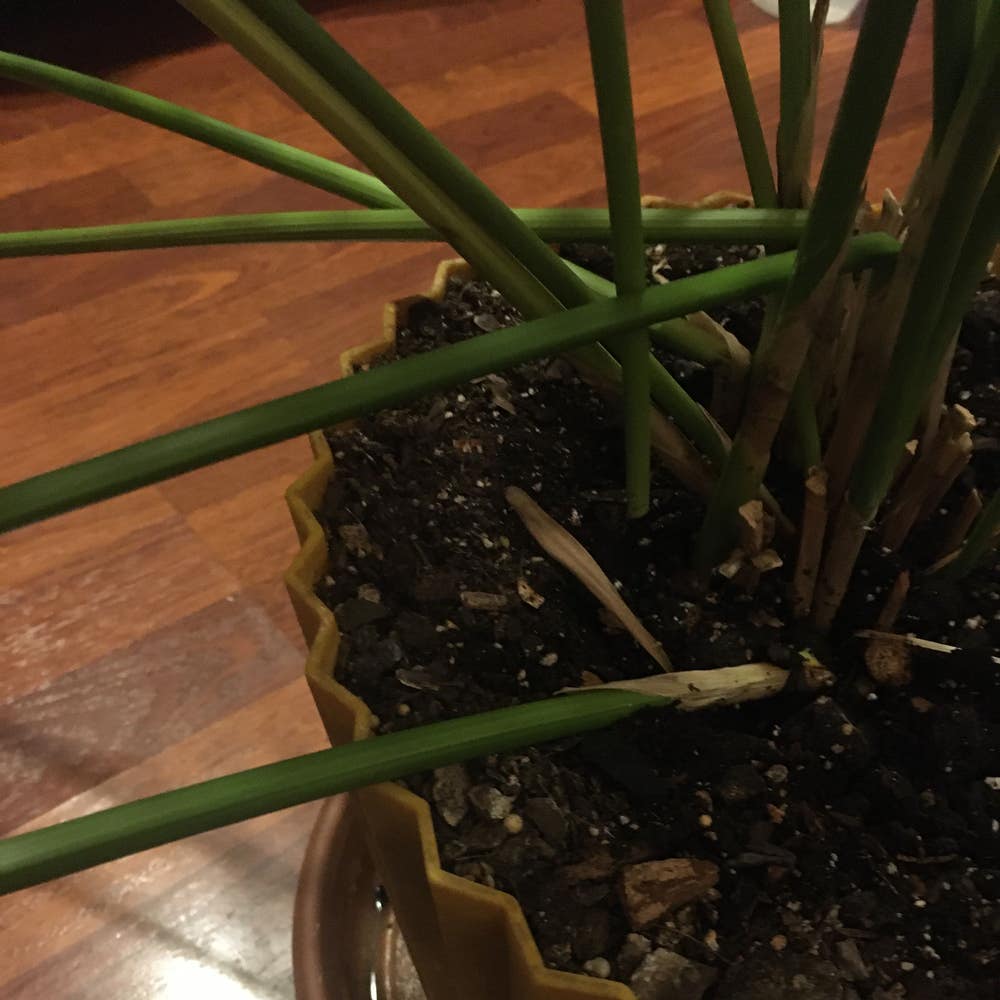
This plant boasts a robust and extensive root system that efficiently absorbs nutrients and water. Its clumping growth habit allows it to reach impressive heights of 3 to 5 feet, while feathery flower heads enhance its reproductive success.
📈 Long-term Lifecycle and Growth Patterns
The growth cycle of Prince Tut Cyperus begins with emergence in spring, followed by vigorous growth in summer and dormancy in winter. In favorable conditions, it exhibits continuous growth and flowering, living for several years and producing new growth annually.
🔄 Lifecycle Comparison
🌼 Reproductive Strategies
Prince Tut Cyperus employs two primary reproductive strategies: seed production and vegetative propagation. It can produce seeds that germinate under suitable conditions and spread through rhizomes, ensuring its presence in various environments.
🌸 Differences in Flowering and Seed Production Compared to Annuals
Unlike annuals, which have a single flowering event, Prince Tut Cyperus can flower multiple times throughout the growing season. Its seeds also have the unique ability to remain dormant until conditions are just right for germination.
❓ Misconceptions and Exceptions
🌡️ Conditions Where Prince Tut Cyperus May Be Treated as an Annual
In certain conditions, such as cold climates where winter temperatures drop significantly, Prince Tut Cyperus may be treated as an annual. Additionally, areas prone to seasonal flooding can hinder its growth, leading to a similar classification.
🌍 Regional Variations Affecting Its Classification
The plant's behavior varies significantly between tropical and temperate zones. Local climate conditions influence its growth patterns, showcasing its adaptability to different environments.
🌼 Garden Design and Planning
🌟 Advantages of Using Prince Tut Cyperus
In garden design, Prince Tut Cyperus stands out for its aesthetic appeal, featuring unique feathery flower heads and an upright growth habit. It also provides ecological benefits, attracting wildlife and supporting wetland ecosystems.
🏞️ Tips for Integrating into Garden Layouts
For optimal placement, consider incorporating Prince Tut Cyperus near water features, ponds, or in wetland gardens. Pairing it with other aquatic or tropical plants can create a visually harmonious landscape.
⏳ Maximizing Longevity
🛠️ Best Practices for Managing as a Perennial
To ensure Prince Tut Cyperus thrives as a perennial, focus on effective water management. Maintaining consistent moisture without waterlogging is crucial, along with regular fertilization during the growing season to promote health.
🌱 Tips for Enhancing Growth and Flowering Over Time
Pruning is essential; removing dead or damaged stems encourages new growth. Adjusting care practices seasonally will optimize health and flowering cycles, ensuring this stunning plant continues to flourish in your garden.
As you consider integrating Prince Tut Cyperus into your landscape, remember its unique characteristics and adaptability. This knowledge will help you create a thriving, vibrant garden that celebrates the beauty of this perennial gem.
⚠️ Safety First
This content is for general information and may contain errors, omissions, or outdated details. It is not medical, veterinary advice, or an endorsement of therapeutic claims.
Always consult a qualified healthcare professional before using any plant as food, medicine, or supplement.
Never eat any plant (or feed one to pets) without confirming its identity with at least two trusted sources.
If you suspect poisoning, call Poison Control (800) 222-1222, the Pet Poison Helpline (800) 213-6680, or your local emergency service immediately.
Spotted an error? Please report it here.
Transform your garden with the vibrant Prince Tut Cyperus 🌿, and let Greg guide you with personalized watering and fertilization tips to keep this stunning perennial thriving all year long!