
Hydrogen peroxide care guide for plants
#HappyPlants #PlantsMakePeopleHappy #PlantAddict #NewGrowth #PropagationStation #SucculentLove #PlantTherapy #GrowLights #PetsAndPlants #GregGang
https://www.etsy.com/shop/TropicalplantsFL
I received this useful information from a grower in Florida. I buy from them some. They have amazing quality plants as well. I would like to pass this on to everyone else so you guys can get help with pests.
I will send a peroxide care guide. I like to take a paper towel or cotton ball dipped in rubbing alcohol and wipe away any that I see and then spray all the plants, all over, including under the leaves and stems and the top of the soil with either an insecticidal spray or neem oil or make 1 using a quart of water, add in 1 cup of rubbing alcohol and then a few drops of dish soap or neem oil and shake well.
Peroxide soil Care and Treatment Help
• Mix one part of additive-free 3% hydrogen peroxide with ten parts water.
• Water infected plants thoroughly. The soil will bubble as the oxygen is released.
• For pests, water with the mixture twice a week, allowing the top 2 inches of soil to dry between watering. Root pests should subside within a week.
• For root rot, water plants very thoroughly, then allow the soil to dry. The top 2-3 inches of soil should be completely dry before returning to a regular water regimen. If the process is done correctly, root rot can easily be treated with only one watering of peroxide.
Well Rooted Plants or Cuttings Arrive and roots look Damaged
If the Plant’s roots are ever very soft, mushy, smell or very black. It could be root rot from either too long or too hot or too cold in transit times. You can trim away the effected areas with sharp scissors or knife that is wiped with alcohol before each cut. Then place her in room temperature filtered water and add a few drops of peroxide to it. This will help give her an oxygen boost and also help fight any residual root rot bacteria.
Common pests & Diseases
In general, the most common pests are:
• Mealybugs – white, fuzzy unarmored sap sucking bugs that are round in shape
• spider mites – tiny yellowish, sap-sucking insects that produce intricate webbing
• Scale – brown or black insects that are sap-sucking
• Thrips – small, yellow or dark brown slender bugs that eat the leaf’s surface
• Erwinia Blight Disease – wet, mushy looking lesions on stems and leaves
How to Treat Common pests
◦ Mealybugs can be treated by pruning, and dabbing a rubbing alcohol soaked cotton swab on the infested areas. Then, Mix 1 cup of rubbing alcohol with few drops of Dawn dish soap and 1 quart (32oz) of water to the whole plant, not only where mealybugs are visible. Repeat the treatment once or twice a week until the issue is gone.
◦ spider mites are first treated by pruning infested areas before spraying the leaves with neem oil diluted in water.
◦ Scale, if treating small infestations, responds well to pruning and rubbing alcohol. For larger infestations, you’ll likely need to discard your plant.
◦ Thrips can be treated by pruning and a diluted neem oil treatment.
◦ Fruit Flies or Gnats. pests like fruit flies and gnats are comfortable in damp dirt; eggs and larvae can't survive without constant moist surroundings. Chances are, your plant can handle less water than you're giving it, so try testing the soil with your finger and only watering when it's completely dry at least 2 inches down. You can use a Vinegar mixture: Fill a shallow saucer with 2-3 drops of liquid dish soap and a cup of white vinegar. Place the bowl near your plant — the gnats will be attracted to the solution and fall into the trap. Keep repeating the process until all the gnats are gone. You can also Use Sand or Gravel On top of the soil after you Dispose of the Top Layer of soil Outdoors. Water them From the Bottom. You can also occasionally spray them with the peroxide and water solution.
Causes of Black Leaf
Black leaves can be caused from heat stress if a plant was in a very hot place and the humidity was low and not much air circulation. Monitor the soil moisture and give her a drink if needed with the peroxide and water solution. Increase the humidity around her and also air circulation. Monitor her recovery.
Erwinia Blight Disease
Erwinia Blight Disease is much easier to prevent than it is to cure. It’s a bacterial infection that causes wet, transparent mushy looking patches on the plant.
It starts just below soil level and creeps up to the stems and if left unchecked will cause wet lesions on the leaves.
Erwinia is serious disease that can kill your philodendron in days. It’s caused by too much overwatering from overhead (this is one reason I recommend you don’t mist the leaves).
Prune the infected leaves, change the po in tting mix, minimize watering applications, and allow spacing in between plants for rapid drying of leaves. Unfortunately, bactericides have been shown to be ineffective against erwinia blight.
If the disease has spread to lots of leaves or many parts of the stem, it’s likely it’s incurable.
Foliage Pesticide Spray
1. Mix equal parts 3% hydrogen peroxide and distilled water.
2. Use a spray bottle to thoroughly soak the infected plants. Make sure to get the undersides of the leaves.
3. Spray once a week or after it rains. Hydrogen peroxide both treats and further prevents pest infestation.
This weaker solution will prevent damage to the leaves but is effective as a general insecticide. I've found that it is effective against a variety of mites and aphids.
Because it also has fungicidal properties, one may find it as a possible solution to mildew and fungus outbreaks.
Treating Black Leaf Spot fungus
Baking Soda and Water
If you don’t want to use chemical fungicides, try spraying your plants with a bicarbonate solution:
• Mix 1 teaspoon baking soda in 1 quart of water. Spray plants thoroughly, as the solution will only kill fungus that it comes into contact with. You can also add a teaspoon or less of neem oil or dish soap to help it stick to the leaf better.
• You can also use this as a precaution for other small spots you see.
The plant might have leaf spot disease
If your plant’s leaves have small brown spots trimmed in yellow, this could be a sign that it has leaf spot disease, which is a fungus or bacteria that feeds on the leaves. If this is the case, don’t start planning a plant funeral just yet. This problem is treatable. It is best to immediately remove the affected leaves and isolate the plant from your other greenery for a bit.
“To treat leaf spot disease, put a tablespoon or two of baking soda and a teaspoon or two of mineral oil in a spray bottle of water. Shake the solution well and then spray all areas of the plant that are infected with brown spots. It may take a couple of applications before the bacteria is totally gone.
Water Treatment
For a general water treatment and dechlorinator, mix one tablespoon hydrogen peroxide for every gallon of water used.
The hydrogen peroxide acts instantly to drive out chlorine, excess iron and sulfates.
A Word of Warning
You'll be pleasantly surprised with the effectiveness of hydrogen peroxide for plants! My one word of caution is to avoid using it in the soil too often. Since it will easily rid your soil of harmful pests, it can also take its toll on beneficial soil organisms. So, use it wisely and only treat when an infection or rot has been confirmed.
Make sure to monitor the plants soil moisture, humidity and light as you need to fix the reason that they attracted the pests. #tropicalplantsfl #pothos #goldenpothos #monstera #calathea
https://www.etsy.com/shop/TropicalplantsFL
I received this useful information from a grower in Florida. I buy from them some. They have amazing quality plants as well. I would like to pass this on to everyone else so you guys can get help with pests.
I will send a peroxide care guide. I like to take a paper towel or cotton ball dipped in rubbing alcohol and wipe away any that I see and then spray all the plants, all over, including under the leaves and stems and the top of the soil with either an insecticidal spray or neem oil or make 1 using a quart of water, add in 1 cup of rubbing alcohol and then a few drops of dish soap or neem oil and shake well.
Peroxide soil Care and Treatment Help
• Mix one part of additive-free 3% hydrogen peroxide with ten parts water.
• Water infected plants thoroughly. The soil will bubble as the oxygen is released.
• For pests, water with the mixture twice a week, allowing the top 2 inches of soil to dry between watering. Root pests should subside within a week.
• For root rot, water plants very thoroughly, then allow the soil to dry. The top 2-3 inches of soil should be completely dry before returning to a regular water regimen. If the process is done correctly, root rot can easily be treated with only one watering of peroxide.
Well Rooted Plants or Cuttings Arrive and roots look Damaged
If the Plant’s roots are ever very soft, mushy, smell or very black. It could be root rot from either too long or too hot or too cold in transit times. You can trim away the effected areas with sharp scissors or knife that is wiped with alcohol before each cut. Then place her in room temperature filtered water and add a few drops of peroxide to it. This will help give her an oxygen boost and also help fight any residual root rot bacteria.
Common pests & Diseases
In general, the most common pests are:
• Mealybugs – white, fuzzy unarmored sap sucking bugs that are round in shape
• spider mites – tiny yellowish, sap-sucking insects that produce intricate webbing
• Scale – brown or black insects that are sap-sucking
• Thrips – small, yellow or dark brown slender bugs that eat the leaf’s surface
• Erwinia Blight Disease – wet, mushy looking lesions on stems and leaves
How to Treat Common pests
◦ Mealybugs can be treated by pruning, and dabbing a rubbing alcohol soaked cotton swab on the infested areas. Then, Mix 1 cup of rubbing alcohol with few drops of Dawn dish soap and 1 quart (32oz) of water to the whole plant, not only where mealybugs are visible. Repeat the treatment once or twice a week until the issue is gone.
◦ spider mites are first treated by pruning infested areas before spraying the leaves with neem oil diluted in water.
◦ Scale, if treating small infestations, responds well to pruning and rubbing alcohol. For larger infestations, you’ll likely need to discard your plant.
◦ Thrips can be treated by pruning and a diluted neem oil treatment.
◦ Fruit Flies or Gnats. pests like fruit flies and gnats are comfortable in damp dirt; eggs and larvae can't survive without constant moist surroundings. Chances are, your plant can handle less water than you're giving it, so try testing the soil with your finger and only watering when it's completely dry at least 2 inches down. You can use a Vinegar mixture: Fill a shallow saucer with 2-3 drops of liquid dish soap and a cup of white vinegar. Place the bowl near your plant — the gnats will be attracted to the solution and fall into the trap. Keep repeating the process until all the gnats are gone. You can also Use Sand or Gravel On top of the soil after you Dispose of the Top Layer of soil Outdoors. Water them From the Bottom. You can also occasionally spray them with the peroxide and water solution.
Causes of Black Leaf
Black leaves can be caused from heat stress if a plant was in a very hot place and the humidity was low and not much air circulation. Monitor the soil moisture and give her a drink if needed with the peroxide and water solution. Increase the humidity around her and also air circulation. Monitor her recovery.
Erwinia Blight Disease
Erwinia Blight Disease is much easier to prevent than it is to cure. It’s a bacterial infection that causes wet, transparent mushy looking patches on the plant.
It starts just below soil level and creeps up to the stems and if left unchecked will cause wet lesions on the leaves.
Erwinia is serious disease that can kill your philodendron in days. It’s caused by too much overwatering from overhead (this is one reason I recommend you don’t mist the leaves).
Prune the infected leaves, change the po in tting mix, minimize watering applications, and allow spacing in between plants for rapid drying of leaves. Unfortunately, bactericides have been shown to be ineffective against erwinia blight.
If the disease has spread to lots of leaves or many parts of the stem, it’s likely it’s incurable.
Foliage Pesticide Spray
1. Mix equal parts 3% hydrogen peroxide and distilled water.
2. Use a spray bottle to thoroughly soak the infected plants. Make sure to get the undersides of the leaves.
3. Spray once a week or after it rains. Hydrogen peroxide both treats and further prevents pest infestation.
This weaker solution will prevent damage to the leaves but is effective as a general insecticide. I've found that it is effective against a variety of mites and aphids.
Because it also has fungicidal properties, one may find it as a possible solution to mildew and fungus outbreaks.
Treating Black Leaf Spot fungus
Baking Soda and Water
If you don’t want to use chemical fungicides, try spraying your plants with a bicarbonate solution:
• Mix 1 teaspoon baking soda in 1 quart of water. Spray plants thoroughly, as the solution will only kill fungus that it comes into contact with. You can also add a teaspoon or less of neem oil or dish soap to help it stick to the leaf better.
• You can also use this as a precaution for other small spots you see.
The plant might have leaf spot disease
If your plant’s leaves have small brown spots trimmed in yellow, this could be a sign that it has leaf spot disease, which is a fungus or bacteria that feeds on the leaves. If this is the case, don’t start planning a plant funeral just yet. This problem is treatable. It is best to immediately remove the affected leaves and isolate the plant from your other greenery for a bit.
“To treat leaf spot disease, put a tablespoon or two of baking soda and a teaspoon or two of mineral oil in a spray bottle of water. Shake the solution well and then spray all areas of the plant that are infected with brown spots. It may take a couple of applications before the bacteria is totally gone.
Water Treatment
For a general water treatment and dechlorinator, mix one tablespoon hydrogen peroxide for every gallon of water used.
The hydrogen peroxide acts instantly to drive out chlorine, excess iron and sulfates.
A Word of Warning
You'll be pleasantly surprised with the effectiveness of hydrogen peroxide for plants! My one word of caution is to avoid using it in the soil too often. Since it will easily rid your soil of harmful pests, it can also take its toll on beneficial soil organisms. So, use it wisely and only treat when an infection or rot has been confirmed.
Make sure to monitor the plants soil moisture, humidity and light as you need to fix the reason that they attracted the pests. #tropicalplantsfl #pothos #goldenpothos #monstera #calathea


 3
3

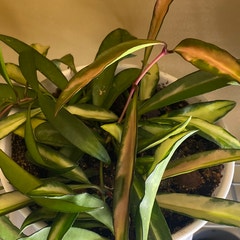


@FirstCanna I cheated and looked on Google
Water
Spider mites hate water, so a good spray down with a strong stream of water will knock them off plants and reduce the population significantly.
Water the top and bottom of plant leaves to make sure you remove any webbing or egg sacks that may be present. Watering plants in the morning is best as this gives leaves time to dry before evening when temperatures drop and humidity rises.
Neem Oil
Neem oil is a proven pesticide that can not only kill the spider mites on contact, but it can also get rid of them for good. Neem oil is also non-toxic to humans, so you don’t have to worry about any long-term effects or side effects while using it.
Apply neem oil liberally with a spray bottle or garden sprayer to all parts of the plant, making sure to cover both sides of the leaves and stems. Spider mites thrive on the underside of leaves, so be sure not to skip this step.
Re-apply neem oil at weekly intervals until all signs of infestation have disappeared. If you re-apply too early, you may prevent new spider mites from hatching.
Insecticidal Soap
Insecticidal soap kills spider mites on contact and leaves a residue that keeps new ones from invading for 30 days or more. Spray the infected areas thoroughly until all the pests have been covered with soap.
Be sure not to use too much soap or it could burn the plant. Rinse off the soap after 15 minutes then follow up with another spray using plain water so that there is no leftover soap residue on the plant. You can buy insecticidal soap at many garden stores and online.
Alcohol
Spray your plants with alcohol to kill spider mites. Using 70% isopropyl alcohol is an effective way to get rid of spider mites. Simply spray your plant down with the alcohol and the spider mites will die off.
This method should be repeated every other day until you no longer see any signs of spider mites. For severe infestations, you can also use 100% pure grain alcohol. Just be sure to dilute it before you spray it on your plants, because it can burn them.
Horticultural Oil
Horticultural oil sprays are sold in concentrated form, which you’ll need to dilute before using. Follow the directions on the label carefully because mixing rates vary.
Spray the mixture on the tops and undersides of infested leaves as well as on branches and stems. Horticultural oil can be used safely on most ornamentals during any season of the year but avoid spraying it directly on blooms or buds because severe damage or death may occur.
Water
Spider mites hate water, so a good spray down with a strong stream of water will knock them off plants and reduce the population significantly.
Water the top and bottom of plant leaves to make sure you remove any webbing or egg sacks that may be present. Watering plants in the morning is best as this gives leaves time to dry before evening when temperatures drop and humidity rises.
Neem Oil
Neem oil is a proven pesticide that can not only kill the spider mites on contact, but it can also get rid of them for good. Neem oil is also non-toxic to humans, so you don’t have to worry about any long-term effects or side effects while using it.
Apply neem oil liberally with a spray bottle or garden sprayer to all parts of the plant, making sure to cover both sides of the leaves and stems. Spider mites thrive on the underside of leaves, so be sure not to skip this step.
Re-apply neem oil at weekly intervals until all signs of infestation have disappeared. If you re-apply too early, you may prevent new spider mites from hatching.
Insecticidal Soap
Insecticidal soap kills spider mites on contact and leaves a residue that keeps new ones from invading for 30 days or more. Spray the infected areas thoroughly until all the pests have been covered with soap.
Be sure not to use too much soap or it could burn the plant. Rinse off the soap after 15 minutes then follow up with another spray using plain water so that there is no leftover soap residue on the plant. You can buy insecticidal soap at many garden stores and online.
Alcohol
Spray your plants with alcohol to kill spider mites. Using 70% isopropyl alcohol is an effective way to get rid of spider mites. Simply spray your plant down with the alcohol and the spider mites will die off.
This method should be repeated every other day until you no longer see any signs of spider mites. For severe infestations, you can also use 100% pure grain alcohol. Just be sure to dilute it before you spray it on your plants, because it can burn them.
Horticultural Oil
Horticultural oil sprays are sold in concentrated form, which you’ll need to dilute before using. Follow the directions on the label carefully because mixing rates vary.
Spray the mixture on the tops and undersides of infested leaves as well as on branches and stems. Horticultural oil can be used safely on most ornamentals during any season of the year but avoid spraying it directly on blooms or buds because severe damage or death may occur.