
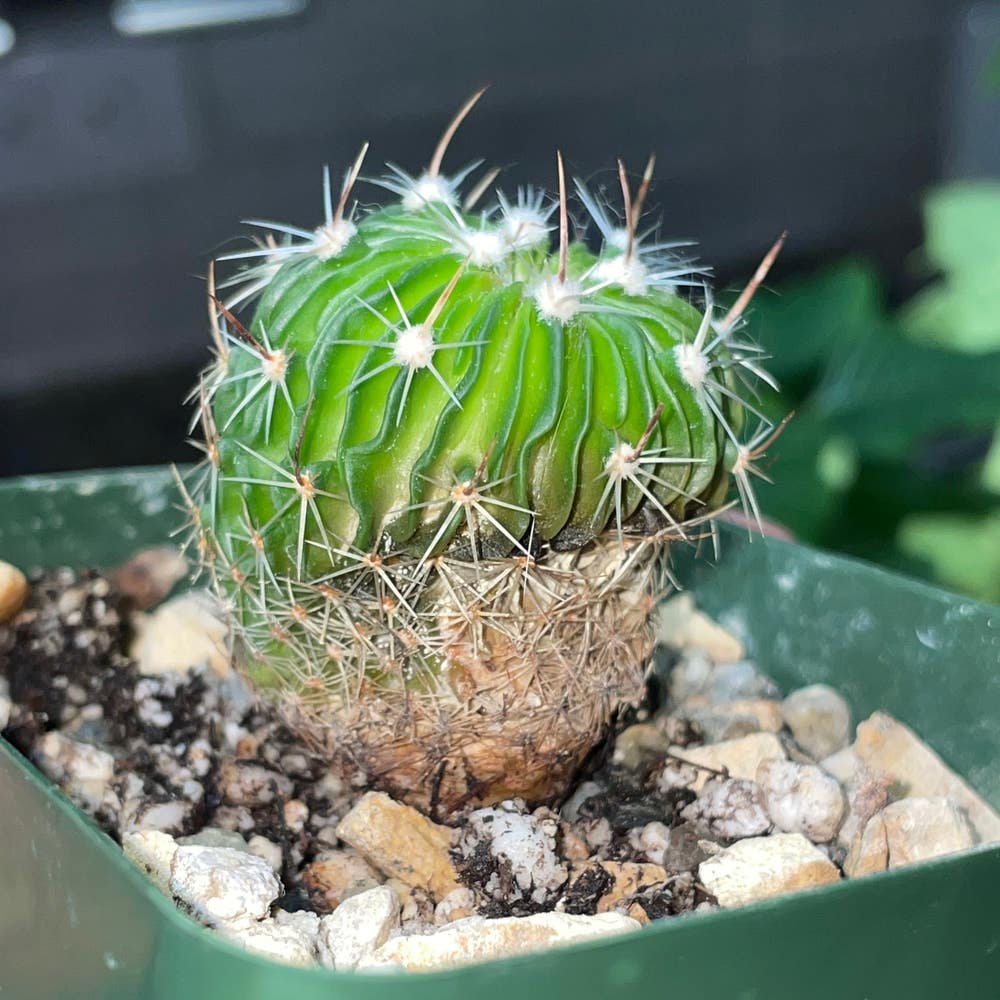
Long Spines Thelocactus
Taxonomy

Thelocactus hexaedrophorus var. fossulatus 'Long Spines'
Thelocactus
Cactaceae
Caryophyllales

How to care for Long Spines Thelocactus
How often to water your Long Spines Thelocactus

every 12
Long Spines Thelocactus needs 0.5 cups of water every 12 when it doesn’t get direct sunlight and is potted in a 5" pot.
Use our water calculator to personalize watering recommendations to your environment or download Greg for more advanced recommendations for all of your plants.
Water 0.5 cups every
12
Finding light for Long Spines Thelocactus in your home

a window
Long Spines Thelocactus love being close to bright, sunny windows 😎.
Place it less than 1ft from a south-facing window to maximize the potential for growth.
Long Spines Thelocactus does not tolerate low-light 🚫.
Select your region to see how the current weather in your area affects the placement of Long Spines Thelocactus in your home 🏡.
How to fertilize Long Spines Thelocactus

Most potting soils come with ample nutrients which plants use to produce new growth.
By the time your plant has depleted the nutrients in its soil it’s likely grown enough to need a larger pot anyway.
To replenish this plant's nutrients, repot your Long Spines Thelocactus after it doubles in size or once a year—whichever comes first.
-
Probably dumb question… How do I know if my cactus is dead? It hasn’t done much of anything in 6 months, and I’m just curious if I’m proudly displaying a dead plant in my house? 😂 #CactusClique #Cacti #Thelocactus #NotSoHappyPlants
-
What this plants name #GhostPlant
-
What's this plants name #GhostPlant
-
Is my baby dying? 😩🥲 helppp pls 💚
-
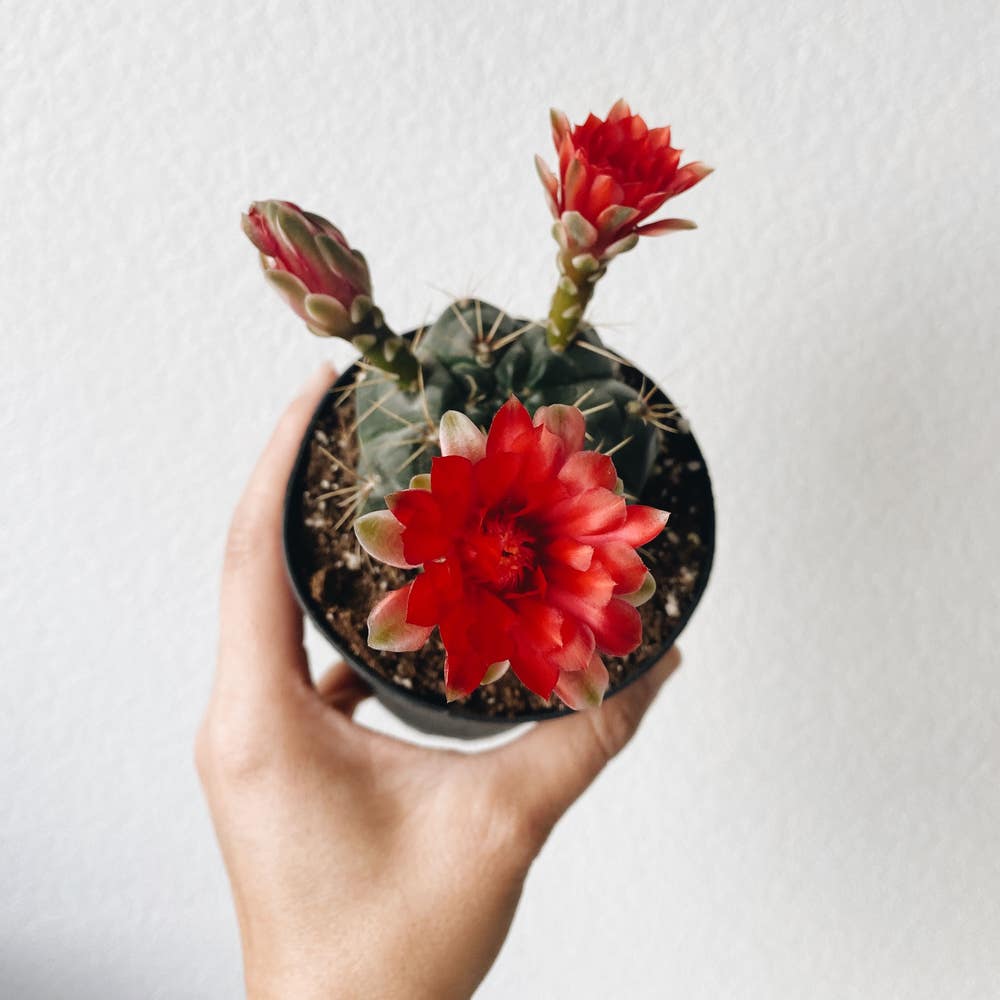
I’ve not been super interested in cacti. But these flowers might be slowly changing my mind. #CactusClique #CactusFlowers #PlantsMakePeopleHappy
-
I.D #whatthesuccwednesday can I get him identified please x
-
What's this I got this Cactus but I don't know what he Is called x
-
Hooked cactus turning white I’m not sure what’s happening here. My other #HookedCactus are doing fine in the same environment

Care Summary for Long Spines Thelocactus
Long Spines Thelocactus
 Greg recommends:
 Water
Water
0.5 cups every 12 days
 Placement
< 1ft from a window
 Nutrients
Repot after 2x growth
Based on the 4” pot your plant is in, and that it doesn’t get direct sunlight.
 Trending in your area
















 Similar to Long Spines Thelocactus

✨ Discover rare plants

Cereus peruvianus 'Pa…

Picasso's Paintbrush

Tillandsia caerulea A…

Rosularia platyphylla

Pine Cone Plant

Pseudorphipsalis 'Blu…

Pink Ruby Sedevaria

Philodendron eximium

Hoya 'Memoria'
Philodendron 'Rio'

Large Leaf Elephant B…

Radiator Plant

Maroon Pitcher Plant

Electric Fern

Ace of Spades

Linnaei Kunth

Aglaonema 'Green Bowl'
